by Florence van de Haar
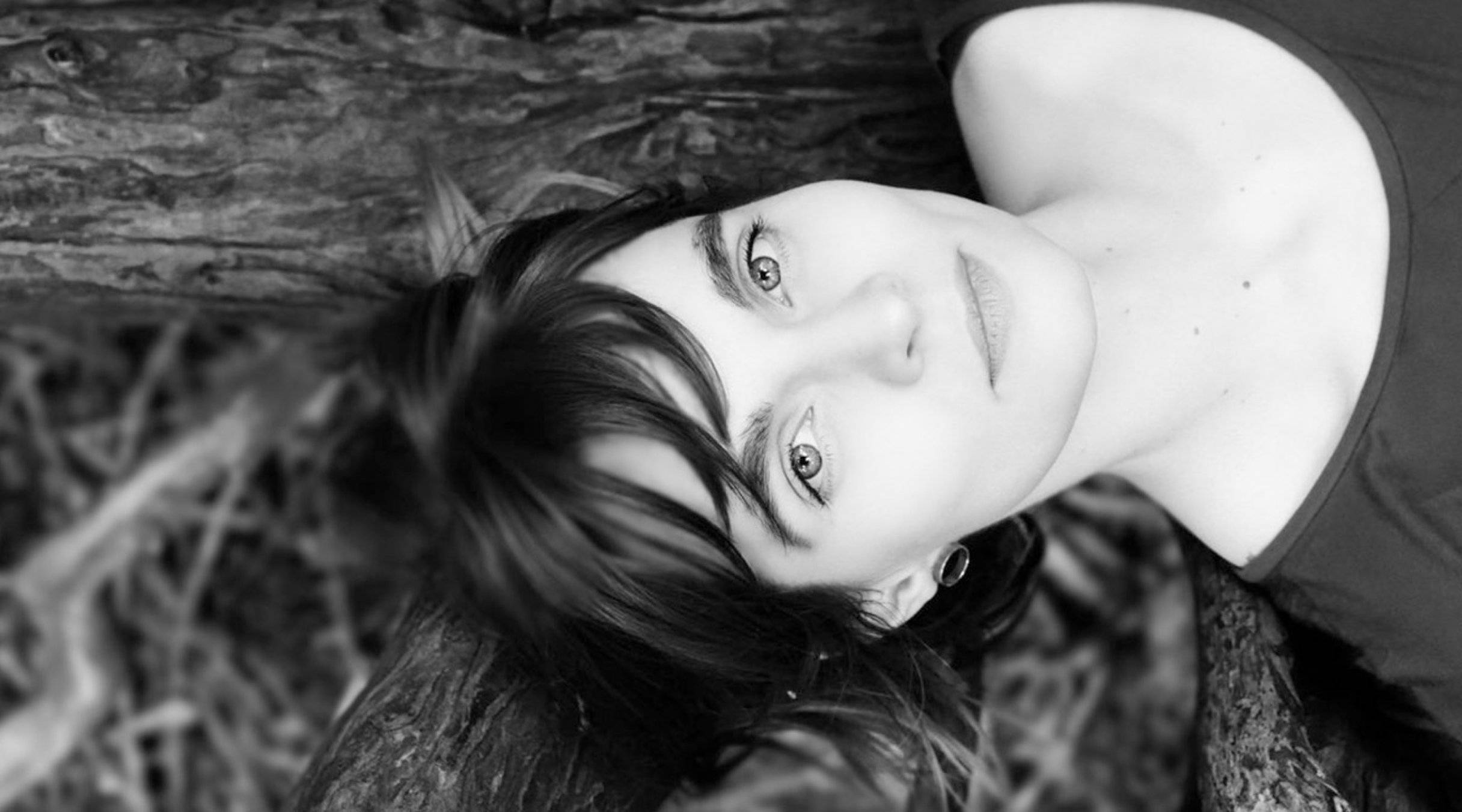
This year, the associate artist of the Holland Festival is Hildur Guðnadóttir. The Icelandic composer is making history as one of the most acclaimed (film) composers of her generation. A cellist and vocalist, she has built an impressive solo repertoire alongside her work for film and television, where experimental pop and contemporary music meet. Her music – often intense, poetic and unpolished – moves effortlessly from intimate and vulnerable to overwhelming and immersive.
A broad audience may know her music from films such as Joker, Tár, or the HBO drama series Chernobyl. These scores led to international recognition, as she became the first female composer ever to win the Academy Award, Golden Globe and BAFTA awards in the same season. Guðnadóttir is a versatile artist who has collaborated with musicians and composers with the likes of Ryuichi Sakamoto, Jóhann Jóhannsson, The Knife, Animal Collective and many others.
‘The Holland Festival has a long history of being courageous. I’ve always been drawn to the mix that this festival creates; the way music, visual art, theatre, and dance come together. Plus, artists that have been associate artists before, like Gisèle Vienne and Ryuichi Sakamoto, are people that I really resonate with. Being a big part of such a huge festival is exciting.’
You have performed at Holland Festival before, in 2013 in BIMHUIS, and now you are the associate artist. What are you most looking forward to?
‘Seeing and hearing the work of other artists. That’s essential for development. At Holland Festival I can both present my work and share pieces that have deeply moved me as an audience member. Being associate artist and a conversation partner for the programme team is a whole new thrill, almost more exciting than performing.’
You are a composer, singer, cellist, and you come from a musical family. What does cello mean to you?
‘My mother listened to cello while pregnant with me. She said, "This child will be called Hildur, and she will be a cellist." My dad was skeptical, but I ended up choosing the cello. Luckily for me, most people love cello. It’s pleasant to hear and spans a register close to the human voice. It’s also close to the body when you play it. It has a huge dynamic and emotional range… and yes, it can be a bit of a drama queen.’
Sometimes your music is described as melancholic or dark…
‘I often hear that, but to me, it’s not. It’s created in solitude. There aren’t many people who sit alone in a room laughing or dancing hysterically, right? When I’m alone, I tend to use that time to contemplate. For me, my music carries more of a solitary reflection than darkness. I don’t hear darkness, I hear contemplation. The stories I tend to gravitate towards often deal with the darker sides of human nature. People sometimes ask why that is, because I’m such a chirpy person myself. But maybe that’s exactly why: I’m curious about the darker sides. Darkness is something inevitable. Coming from Iceland, our seasons are literally either dark or light. I’ve always found it more interesting to create when it’s dark outside; it just comes more naturally to me. That probably has a lot to do with growing up there, with those long winters. When I was a kid, there was nothing else to do but create. There was no internet, no distractions.
What else were we going to do? I grew up creating in the dark periods, and I still carry that with me. Because I’m from Iceland, people also assume my work has a lot to do with nature. Obviously, I love nature, I spend less time in nature than I would like, but I've been living in Berlin for twenty years now. I rarely go back to Iceland. What feels more relevant to the life I live – urban life, being a soccer mom, the city rhythm – is human nature. Human nature is endlessly interesting in terms of writing, performing and perceiving music.’
Who do you turn to when you need inspiration?
‘Sometimes it's easy to lose faith or not feel completely convinced about what I'm creating, no matter how long I’ve been doing this. That’s when other people’s work becomes important: it reminds me to have courage, to show up, and to keep going. Bach, for example, is probably the most influential for me that way. I practice Bach's music every morning. It's a connection to my earliest experiences with music. It’s incredibly grounding. And then there are people like Meredith Monk, whose work I hope to see at the festival, and whose work I find incredibly courageous. 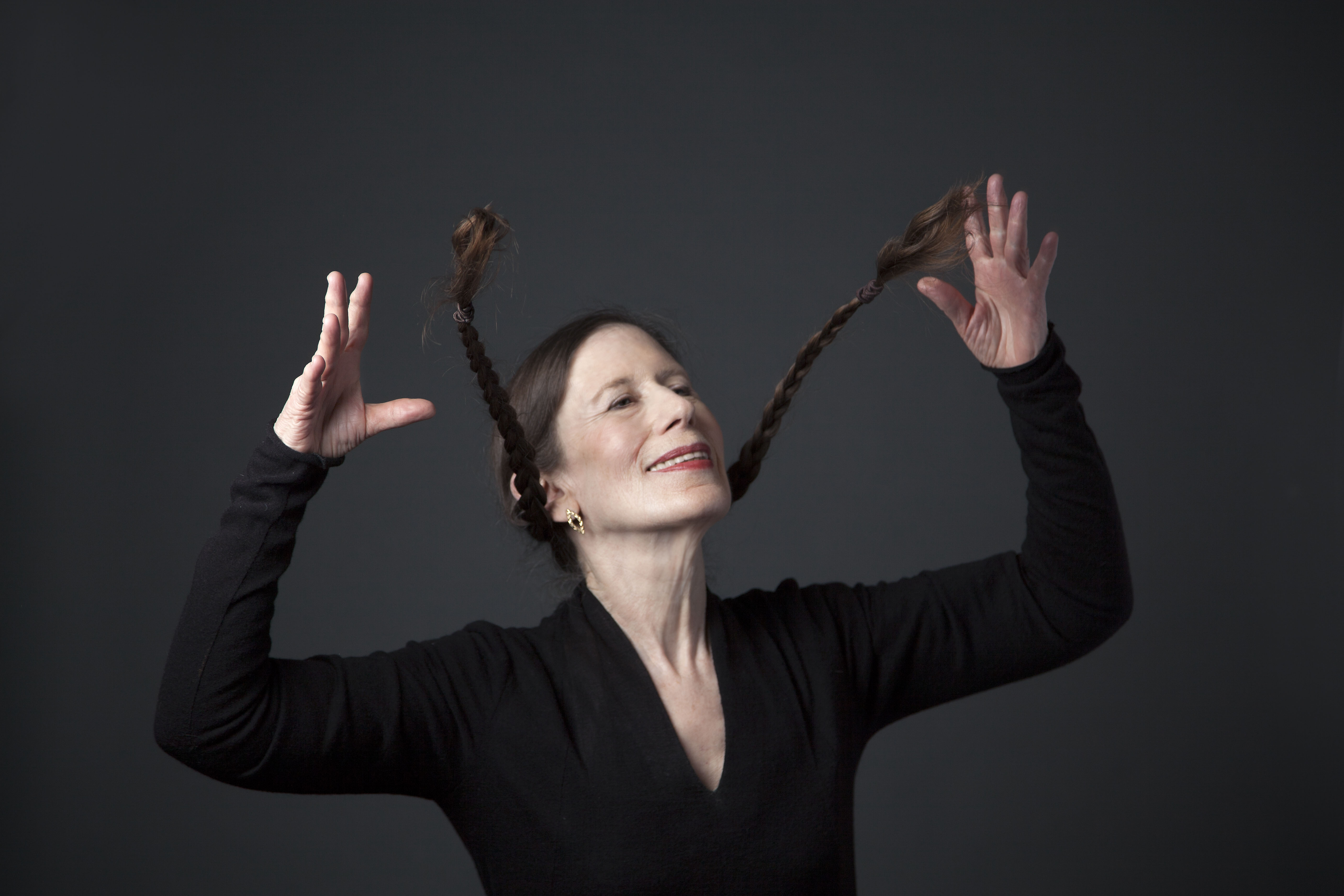
They are so many friends and people I’ve worked with that are hugely important in this regard. People who have been there for me throughout my entire creative life, like Skúli Sverrisson. When I need musical warmth, I call on his music. And there are so many others, Eyvind Kang and Jessika Kenney, who are playing on my record, and of course Ryuichi Sakamoto. All of these people have been incredibly generous in their work – putting so much of themselves into it. That courage, that openness, is always inspiring.’
The programming-team places strong emphasis on female pioneers in (electronic) music. Are there female artists who have shaped your view of sound?
‘A lot of female artists speak to me, not because they are women, but because I love their work. I believe women should have a much bigger place in the history of art and music. Maryanne Amacher’s Making the Third Ear is utterly moving; it’s mind-blowing. Even though I’ve spent my whole life working with sound, it made it clear to me that there is still a entire universe of sound to explore. The acoustics, physics, and the perception of sound. It opened a huge universe of potential. And Janet Cardiff, I’ve seen quite a few of her works. She is a magician – the way she works with sound, time, memory, emotions, feelings, and perception. I feel like she manages to create a kind of parallel between the place you are physically in and the place you are transported to through her work. I love work that can transport you to a totally different place.’
You recently released your new album Where to From, which you will also perform at the Muziekgebouw in June. What can you tell us about the process of creating this new album?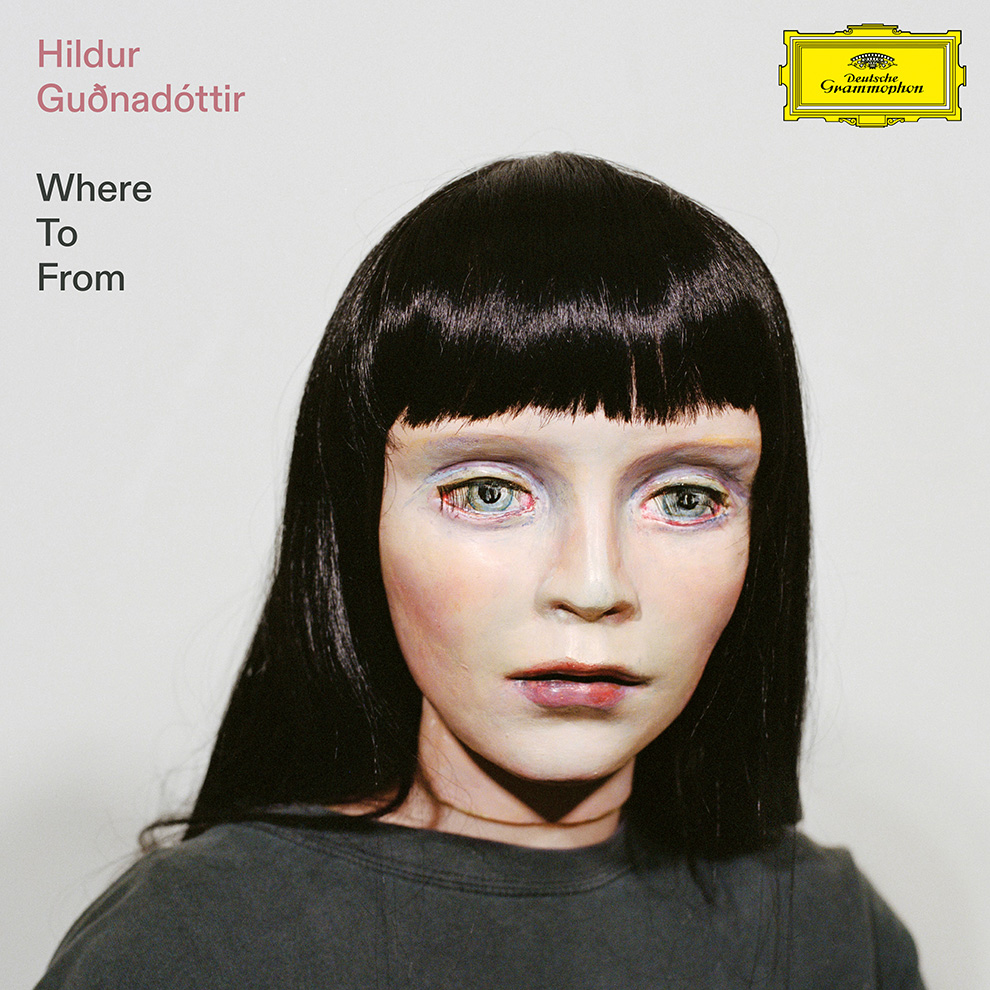 ‘I have a constant stream of music in my head. When I started recording fragments of these musical streams on my phone, and revisiting these while writing, I began to see the kind of place I was in musically. And where I wanted to be. Music has the power to transform how I feel, the space I inhabit, and even my sense of time. Just as music can make time stretch, it can also create space. Looking back through my audio-diary entries, I realised I was longing for a slower place. Room to breathe. By creating more space between the notes, I created more space for myself. Over the twenty years that I’ve been releasing music, people often tell me they listen while they’re doing something else – painting, writing, anything. While I was creating this record, I held that in mind: maybe this music will end up on someone’s drawing table, accompanying them as they paint or write. It became a wordless dialogue with a future listener. Knowing that I’m creating something that might spark someone else to create as well is the ultimate driving force. Then we have this this ripple effect of more things being created.’
Could you elaborate on how music can transform you?
‘Music moves us. It can transform the space we’re in; can transform the mood we’re in. It can transform who we are. And I think that’s the main point of art: to bring you to a place you didn’t know existed. To be transported to a place of awe, excitement, or sadness – almost as if you’re being teleported into another dimension. For me, art, storytelling, music, or performances are at their best when they can take you somewhere else entirely. I’m fascinated by the connection I have with the people I perform with and with the audience. It is so incredibly powerful when the audience is listening together. Concert experiences are heightened when shared collectively. And when you, as the performer, are physically interacting with that energy on stage; that’s simply magical.’
As the associate artist of the Holland Festival 2026, your ideas also centre around listening and empathy...
‘The general atmosphere in the world right now is harsh. There’s been a decline in empathy among people. I believe people have power, and it’s a shame that empathy is often seen as being “weak” or “woke”. We need empathy more than ever. Fake news and shock tactics feel designed to silence and numb us. That’s why listening remains so important. Listening plays a huge role in cultivating empathy. To truly listen and hear, you first have to be silent within
yourself. Cultivating empathy means being aware enough to quiet your own thoughts and to consider the perceptions and situations of others. Art, music, and film are fantastic ways to guide people toward listening to different perspectives, different stories, and different ways of perceiving the world.
 In my film work, where I’m working with specific characters, I need empathy and deep listening to narrate their stories. Especially with real events, like in Chernobyl (HBO tv-series). For this project I tried to tell the story with awareness and empathy toward the people who lived it, understanding their suffering, and then bringing it into our modern context. Sometimes I’ve felt a bit useless in this world just by making music. But then I hold on to the idea of people listening together. watching a movie together, laughing together, being startled together: I hold on to that shared experience, the experience hat matters.’
You will perform multiple times at the festival. With your newest album Where to From, the music of Chernobyl with stunning light design at the Gashouder, Naermynd with Iceland Symphony Orchestra, and you also will be working with students in Passing Remark?
‘Students are the future, so connecting with them feels essential. I don’t usually teach, so the idea of engaging with students through masterclasses or workshops excites me. I love listening to their perspectives and hopefully give them a bit of courage to trust their own. That’s also what I find so inspiring about projects like Passing Remark, creating spaces where students can meet artists, experiment, and work beyond the usual frameworks. For many conservatory students, that’s a huge adventure, because those institutions – as the name suggests – can be quite conservative. They’re often taught there’s a ‘right’ or ‘wrong’ way to do things. But I really believe there isn’t any. There are so many ways to approach a single note. It’s all about point of view.’
What are your hopes for the festival? When will it be a success for you?
‘My dream scenario for the festival, and really for any performance, is simply this: I want to be in a room where people are present and deeply listening. So maybe the slogan of this year should be: Listening is the most important thing. Because it is. It truly is.’
Since 2019, the Holland Festival has worked annually with an associate artist: an international artist with a broad perspective and their own cutting-edge and interdisciplinary artistic practice, who will collaborate with the festival for one edition and present new work that is co-produced by the Holland Festival. The associate artist acts as a conversation partner for the programming team.
Florence van de Haar, Holland Festival’s in-house writer, spoke with Hildur Guðnadóttir in between the release of her latest album Where to From and the the programme presentation of Holland Festival