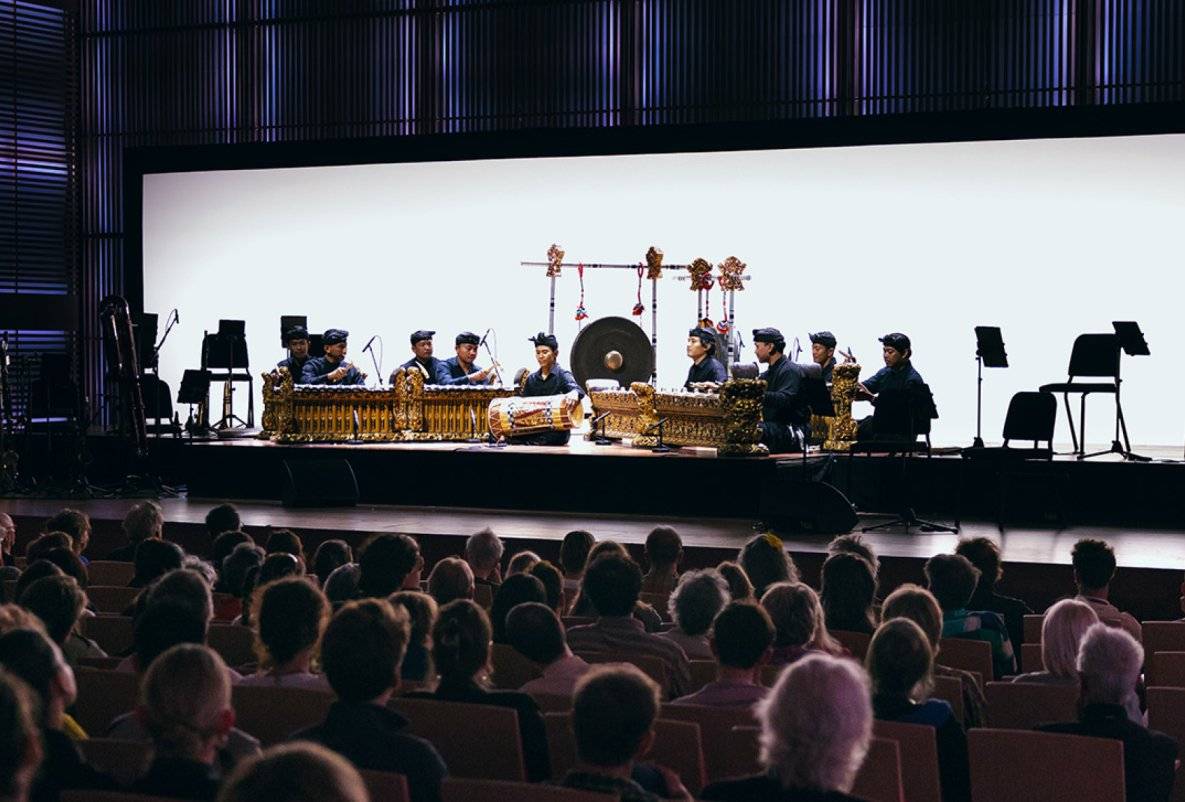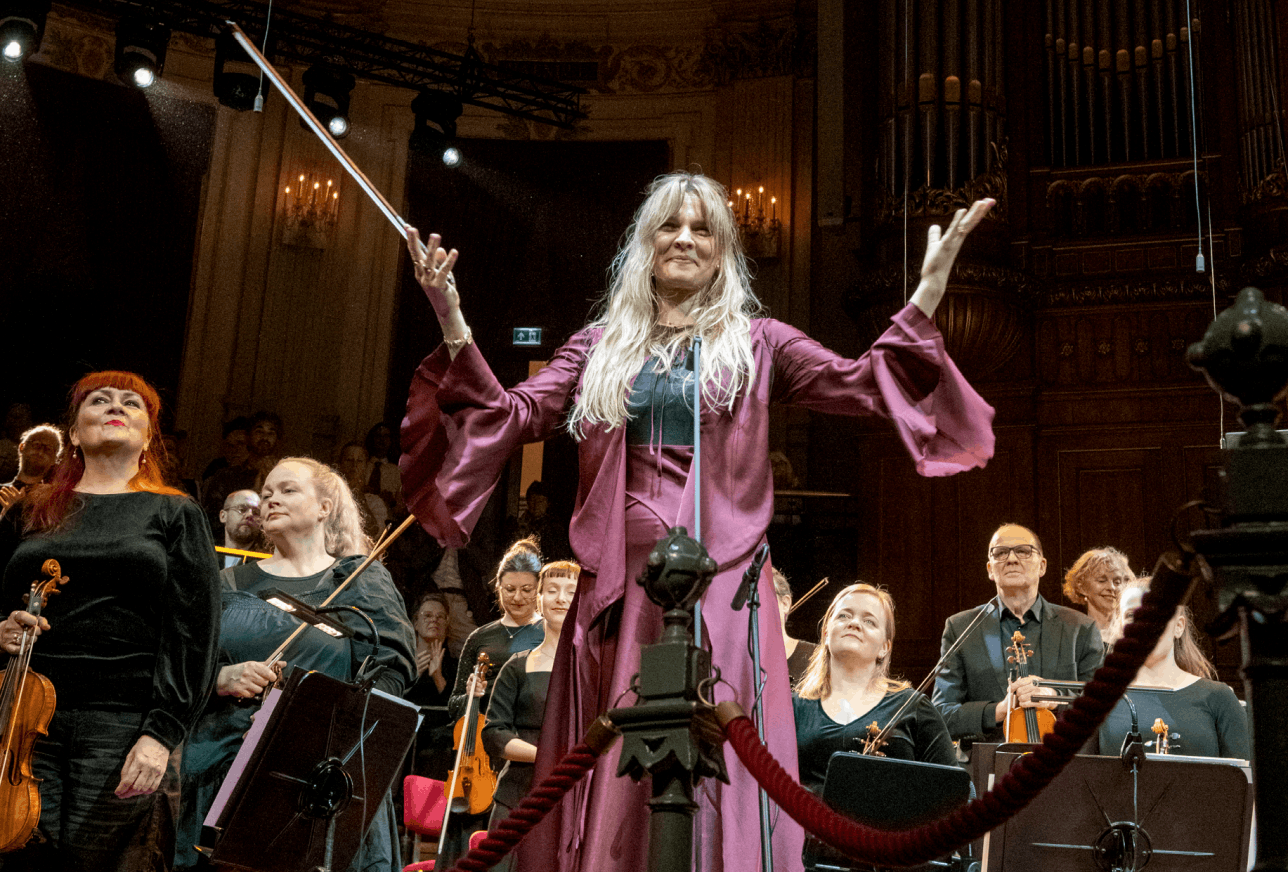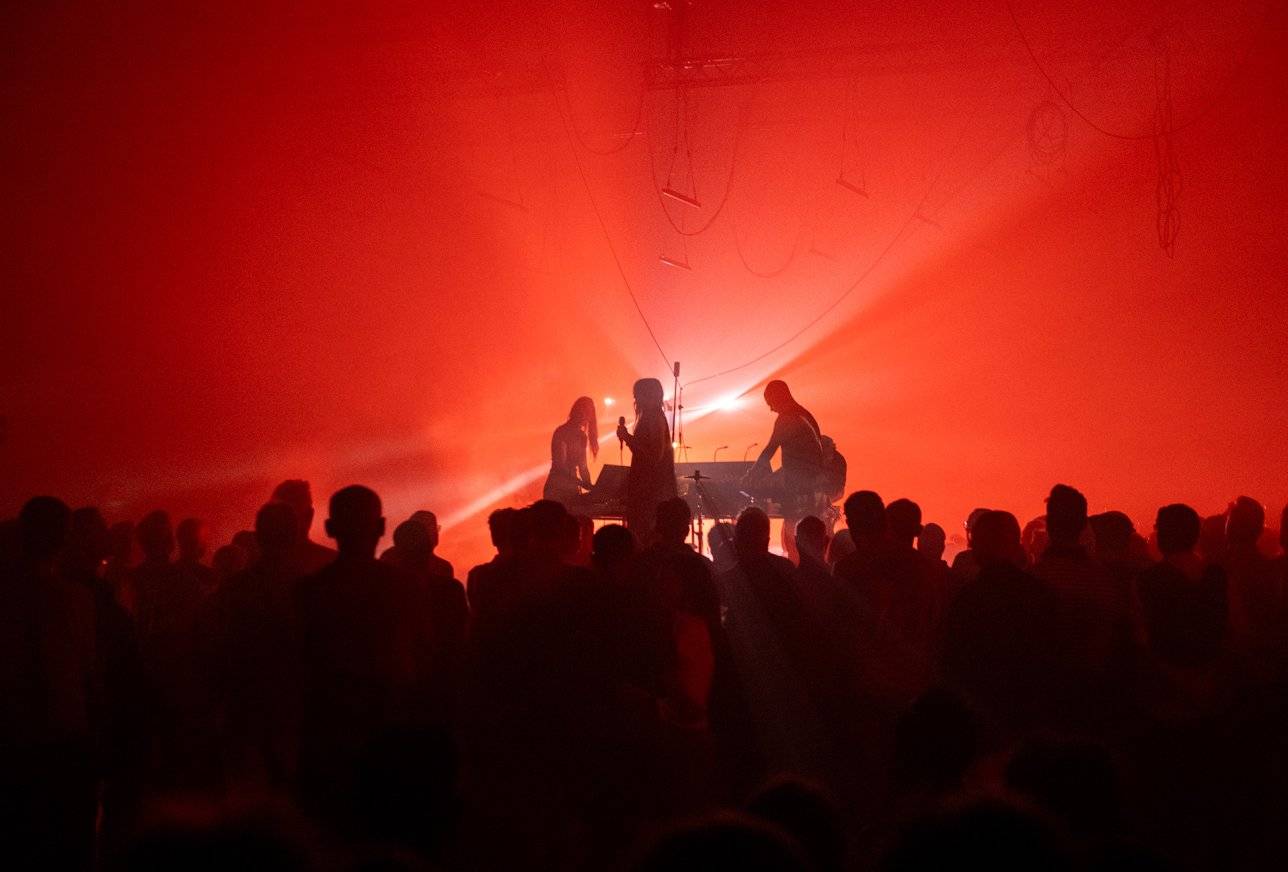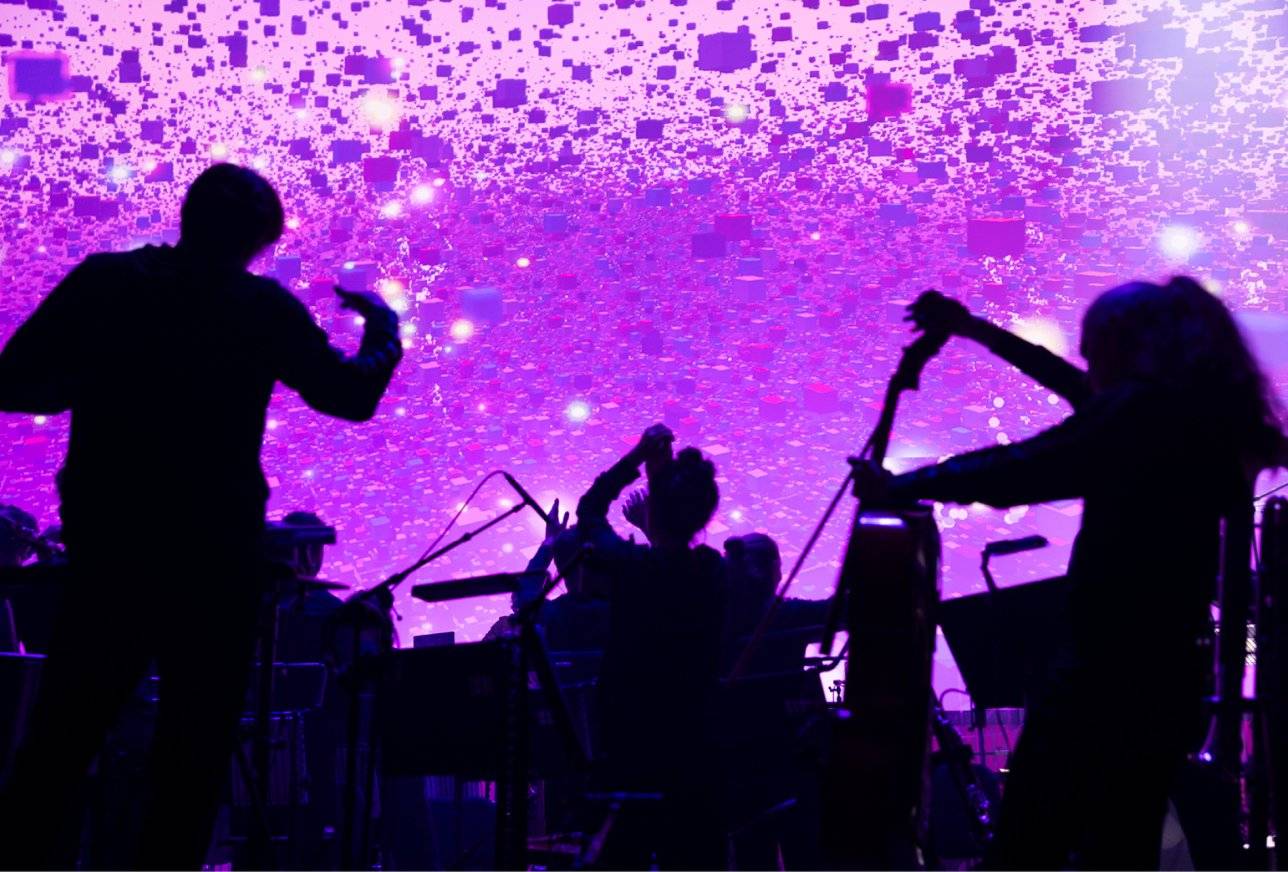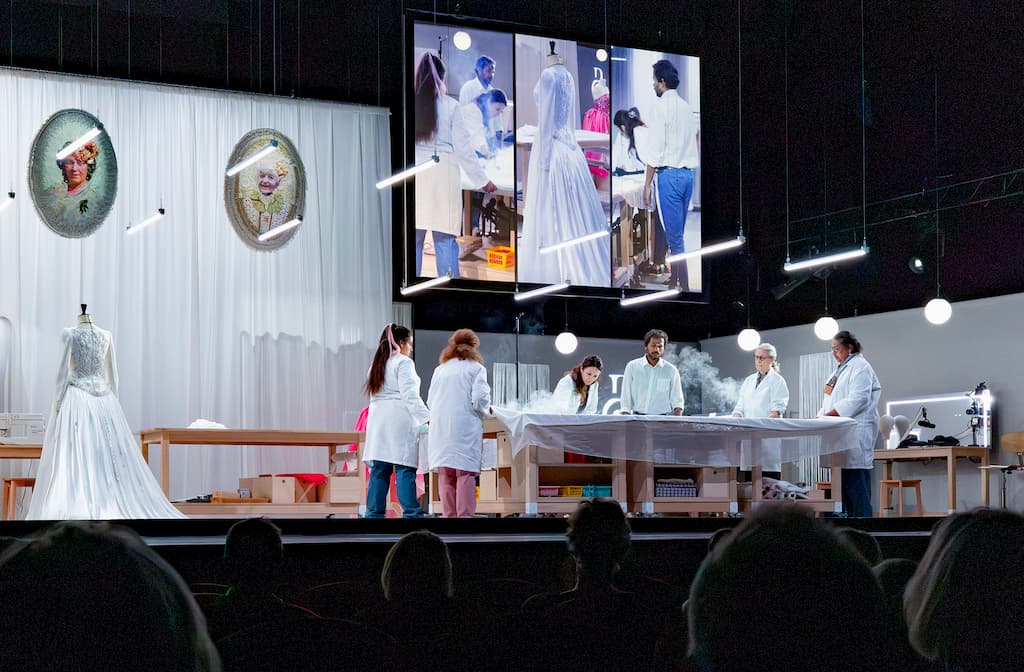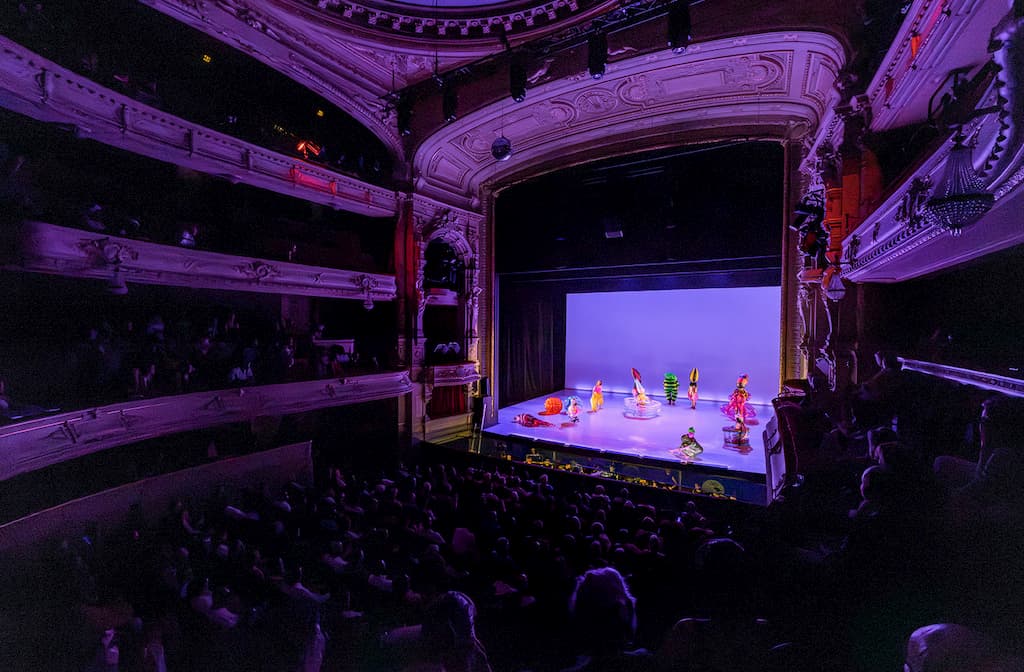
Welcome to the retrospective 2026!

Welcome to the retrospective 2026!

Welcome to the retrospective 2026!

Welcome to the retrospective 2026!

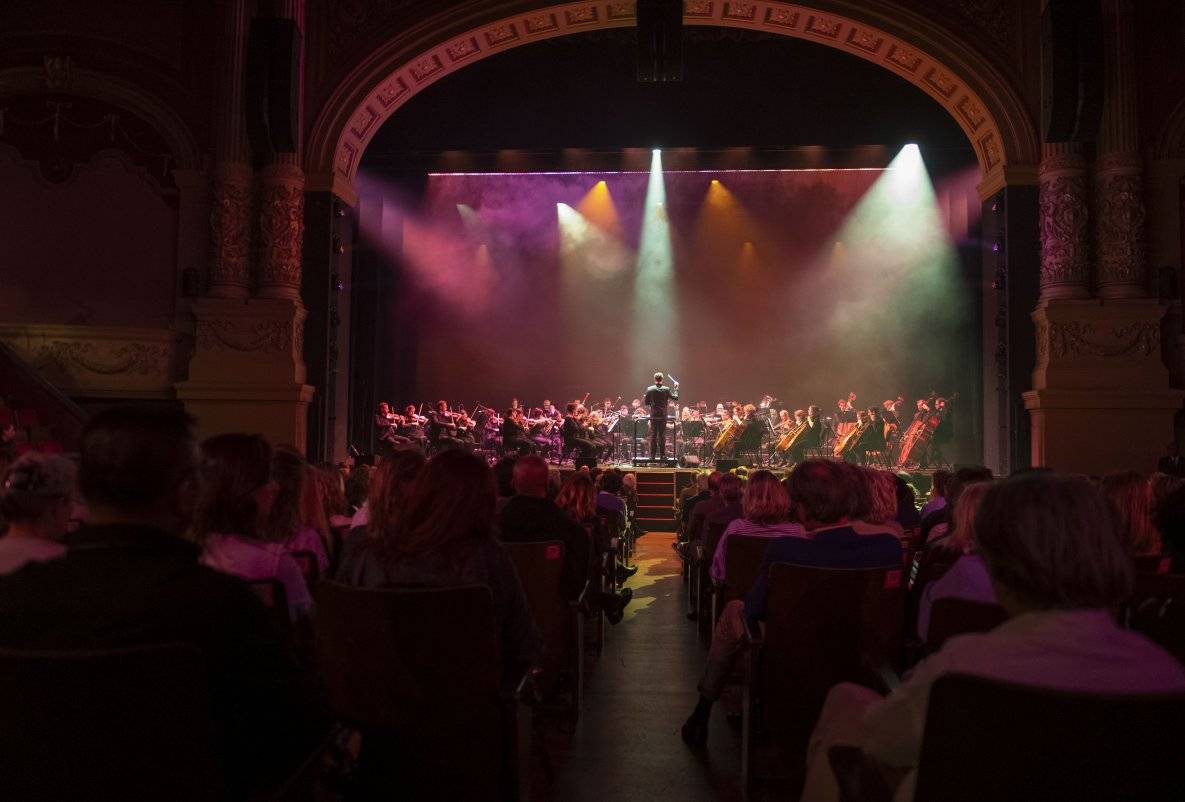
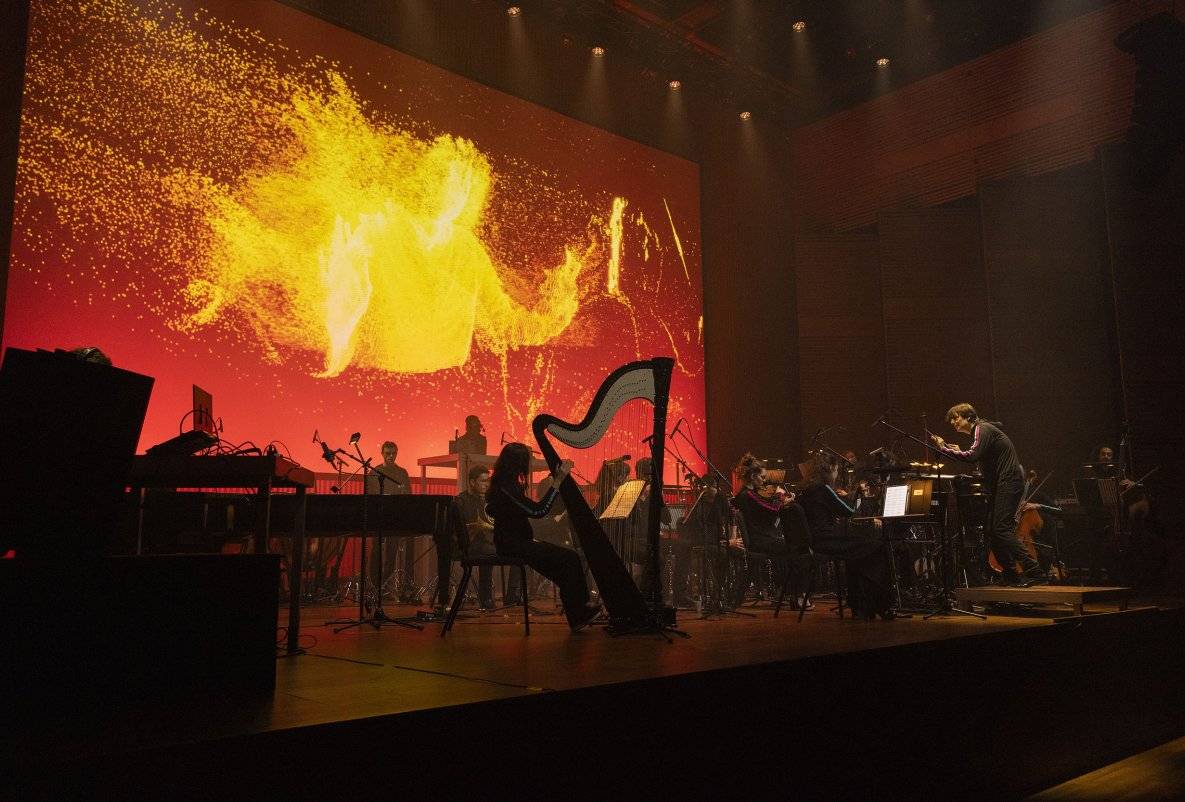
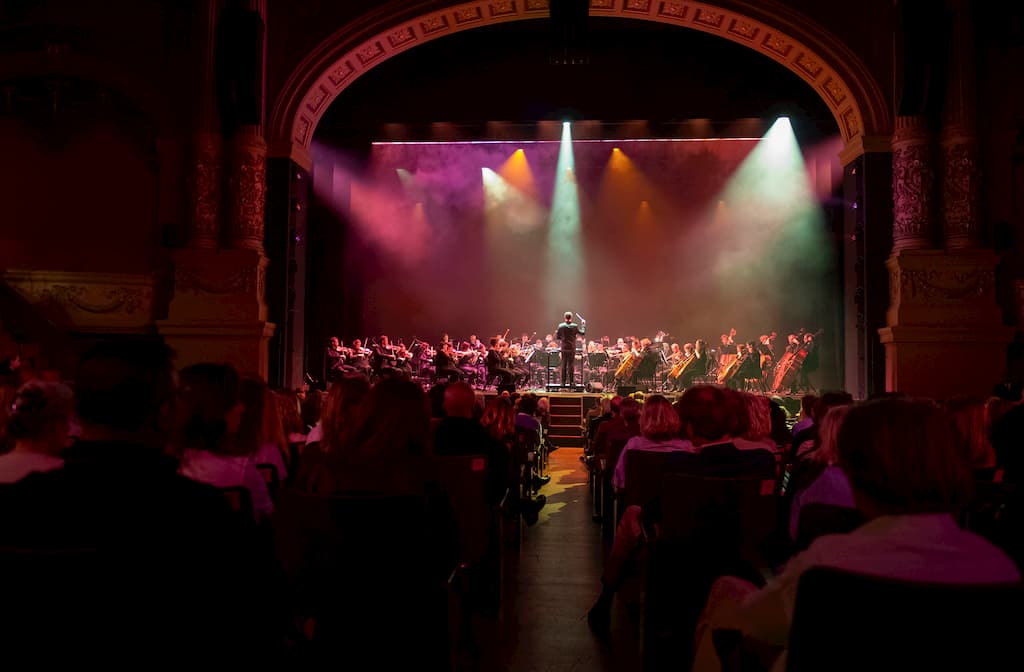
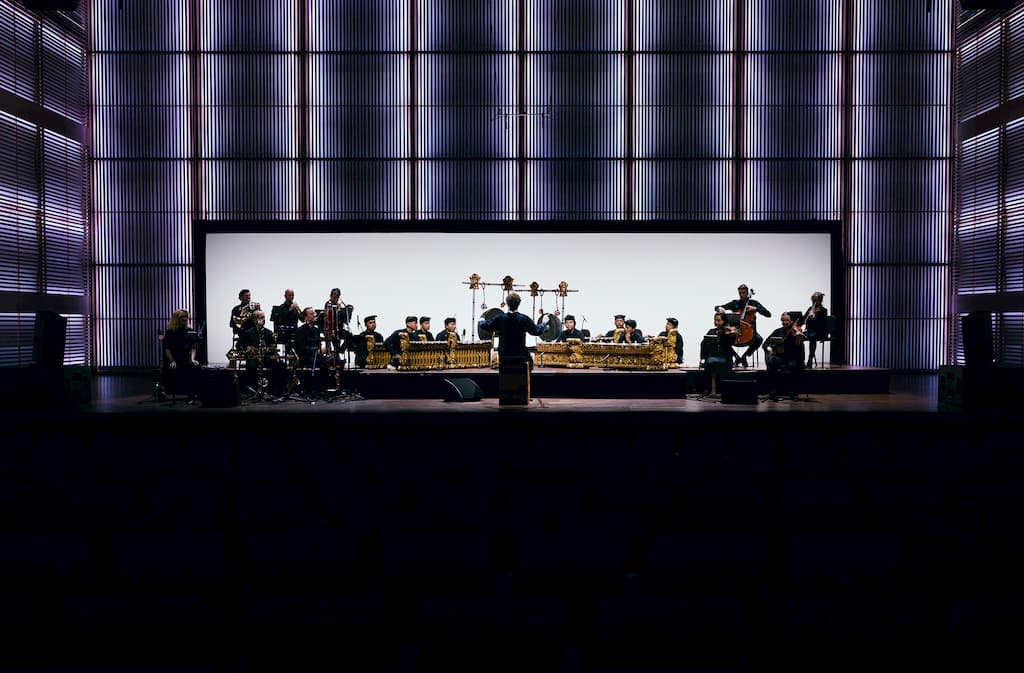
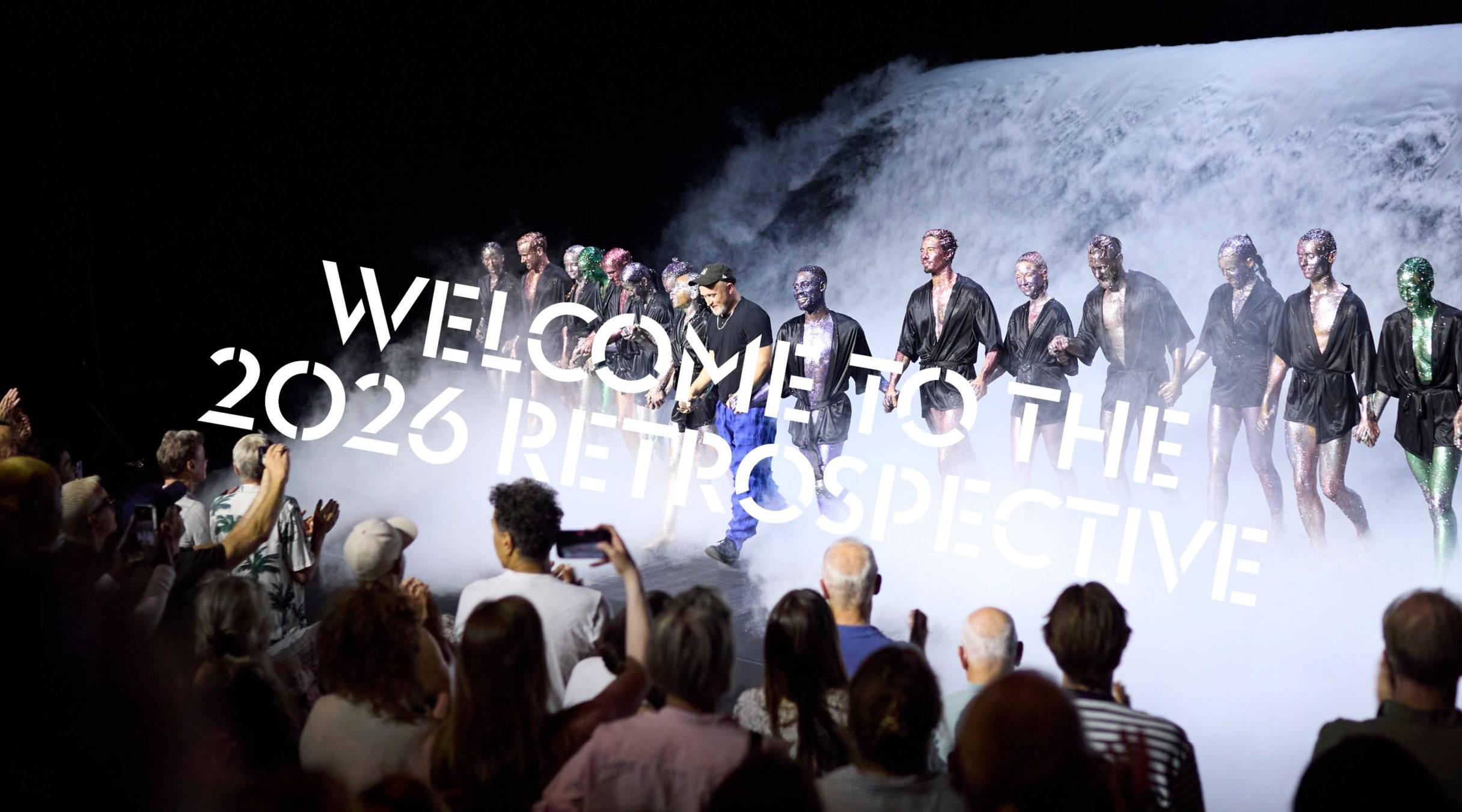
The app counted down the seconds until a tone swelled and then began to modulate. From the speaker of a single phone, it sounded modest, but from fifty or sixty mobile phones together, it became a swarm. Especially once the owners of those phones began moving as a group from one of the four starting points to which composer Huang Ruo had directed them. During the musical walk toward the Royal Theatre Carré, the city felt like theatre, its sounds blending with the music. At the final destination came the true collective moment: the performance of City of Floating Sounds in the presence of His Majesty King Willem-Alexander and Her Majesty Queen Máxima.


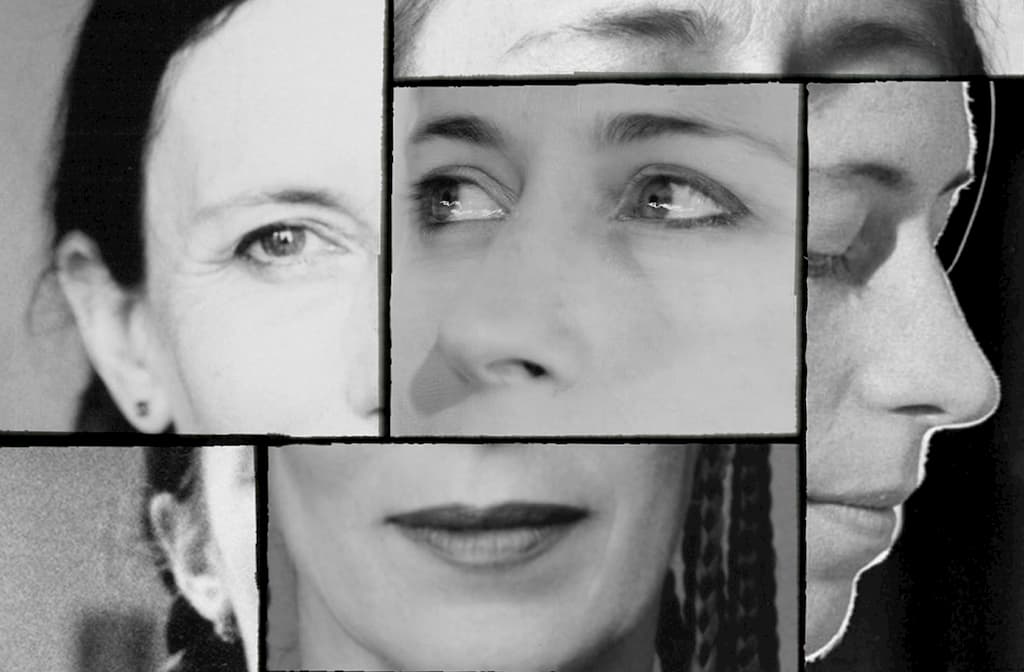
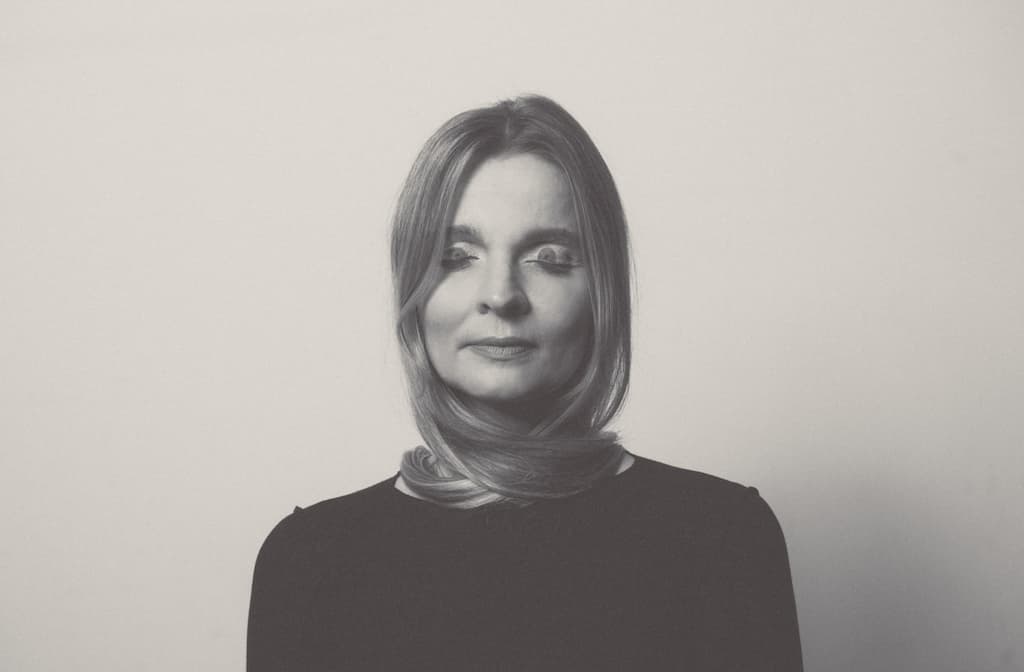
City of Floating Sounds was perfect for kicking off this 79th edition of the festival, in which nearly everything revolved around attentively listening together. Associate artist Hildur Guðnadóttir repeatedly encouraged us to slow our pace and deepen our focus, to stay open to the unexpected, and in doing so develop greater understanding for the world around us. No small luxury in a time that keeps growing harsher — both morally and in terms of sound. Against the "move fast and break things" attitude that is opening up all kinds of divides worldwide, Guðnadóttir offered an empathy that is gentle, but by no means weak.


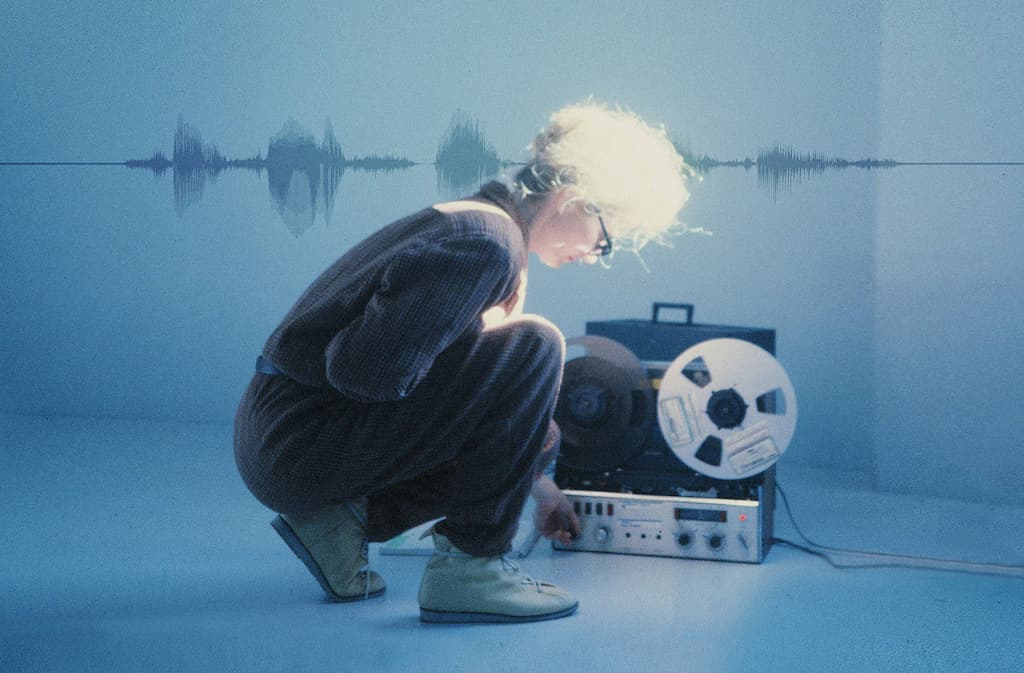
This theme permeated the entire festival and clearly struck a chord with audiences. There is a real desire for Guðnadóttir’s kind of loving deceleration, which can be read as a political statement, albeit one presented indirectly and understatedly. Other socially urgent themes came to the fore in a similar way. Fake news and demagoguery simmered just below the surface of A Trial. When I Saw the Sea exposed the modern-day slavery of Lebanon's kafala system. Female artists were placed in the spotlight in pieces like Qaqnas — featuring electronic avant-gardist Huba de Graaff and Naaz — and the Saturday Matinee production Voices, in which Hans Werner Henze's 1974 protest songs were given a contemporary response. And, of course, in the sound installation by trailblazer Laurie Anderson, which could be experienced throughout most of the festival.
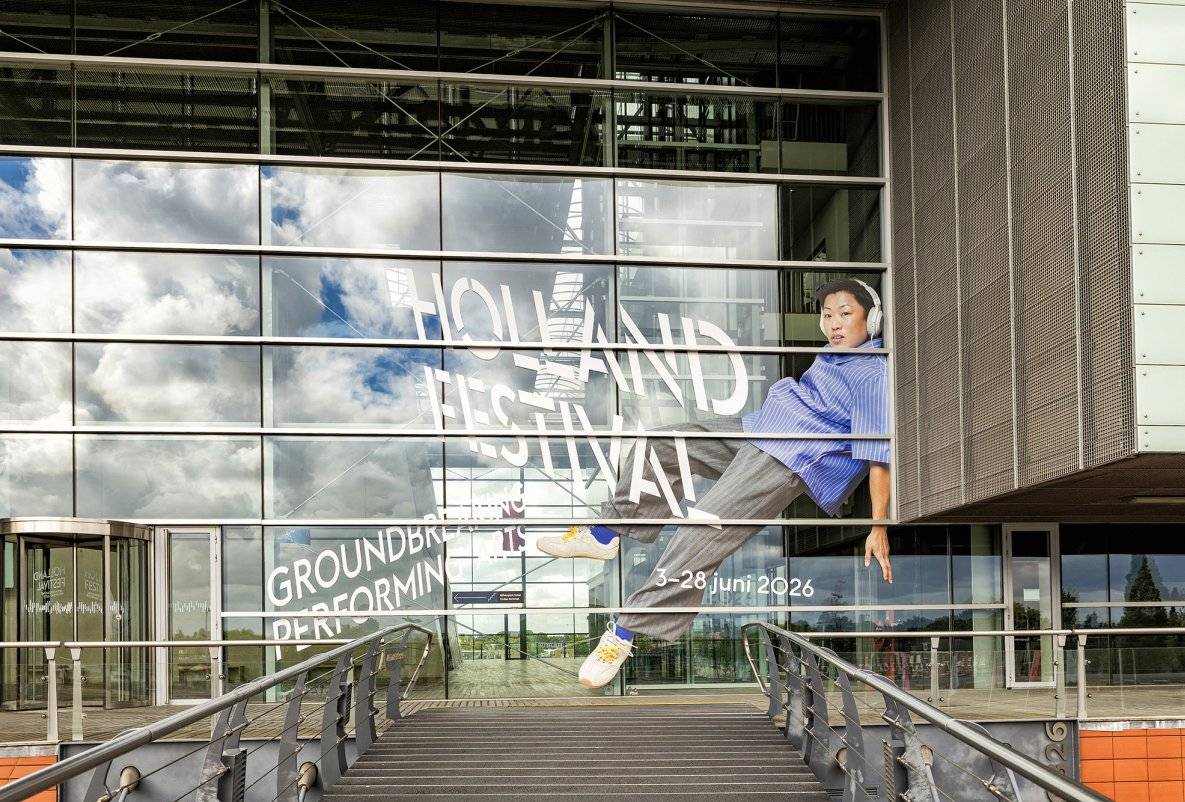
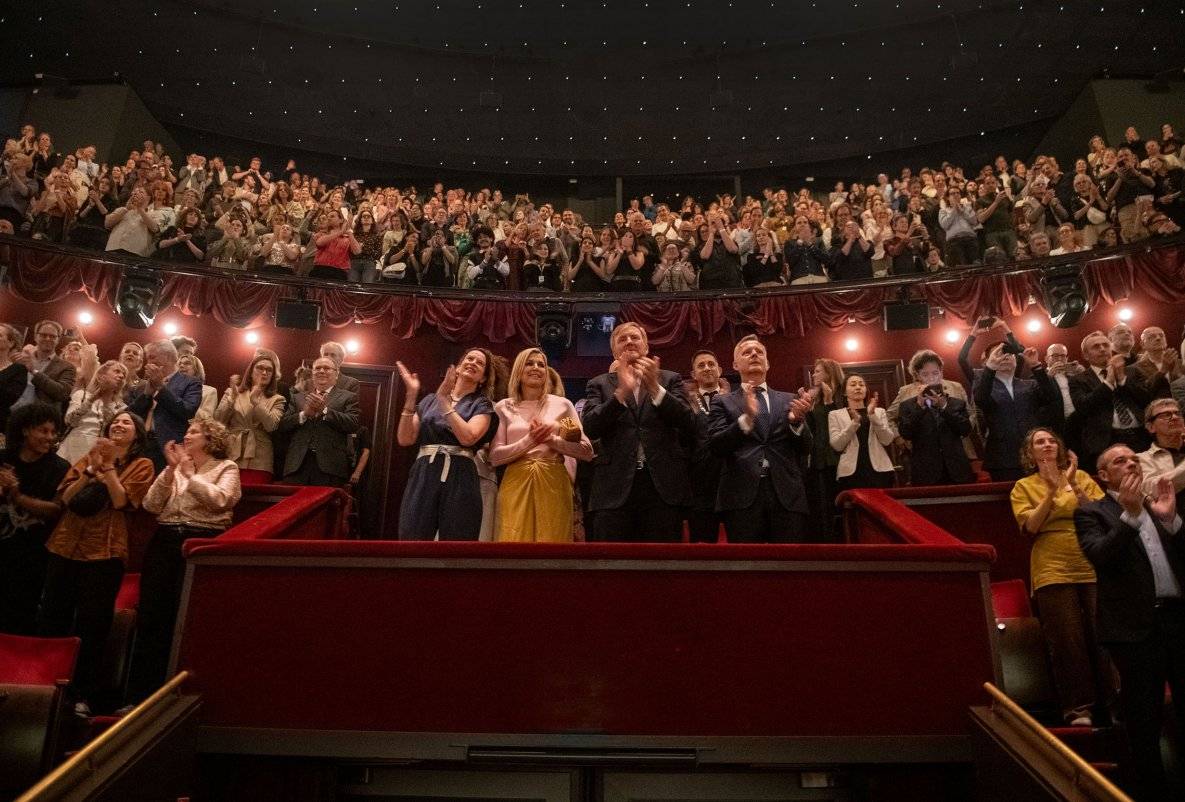
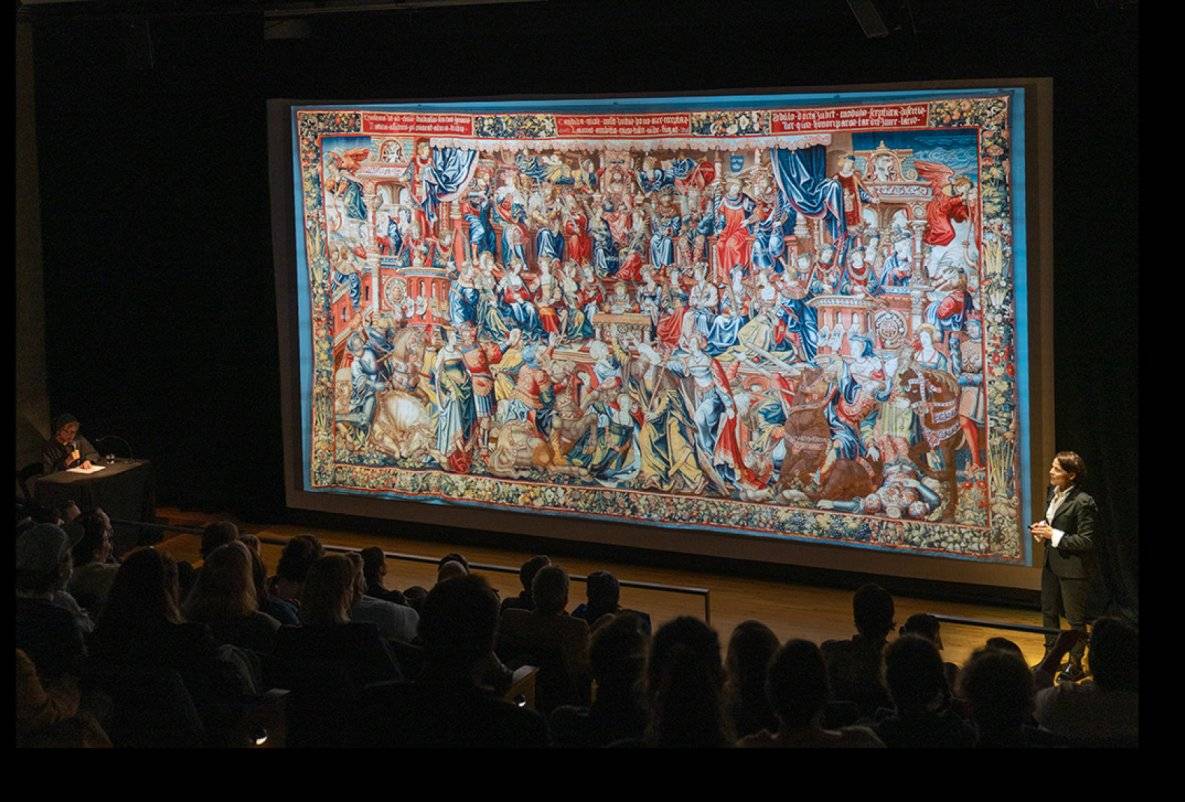
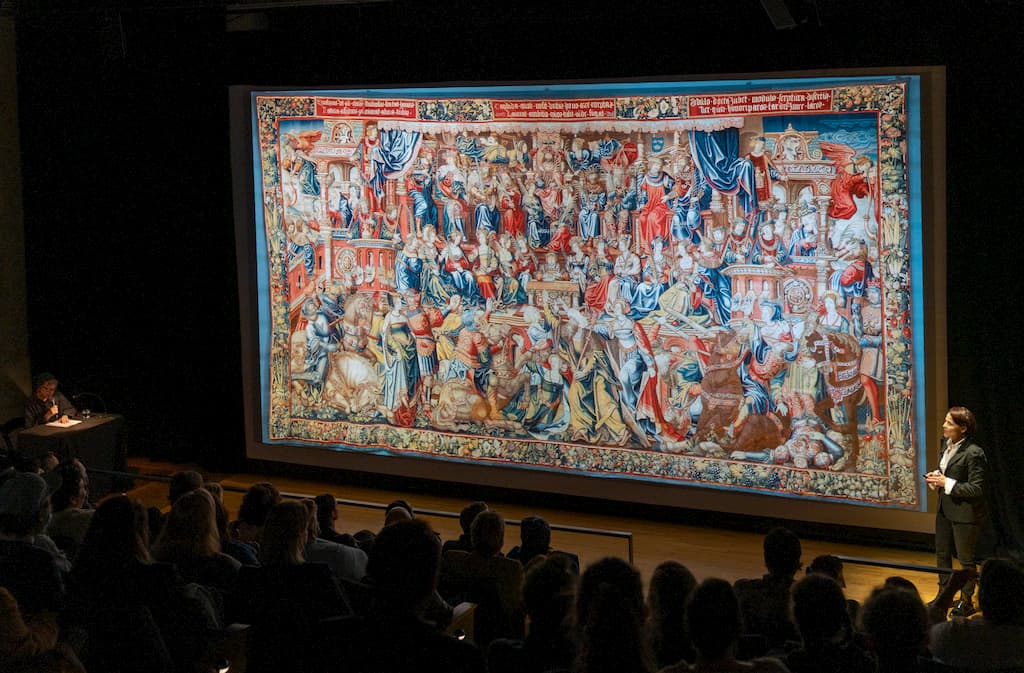
The festival offered a balanced mix of performances with a clear political message and works in which the audience was immersed or swept away by sounds, movements and emotions. With its tightly curated yet wide-ranging programme, the festival managed to reach a broad and diverse audience, even for performances that resist easy description. Honor, a lecture performance with a strong art-historical bent, sold out completely — even in the main hall of ITA, on a Monday evening.


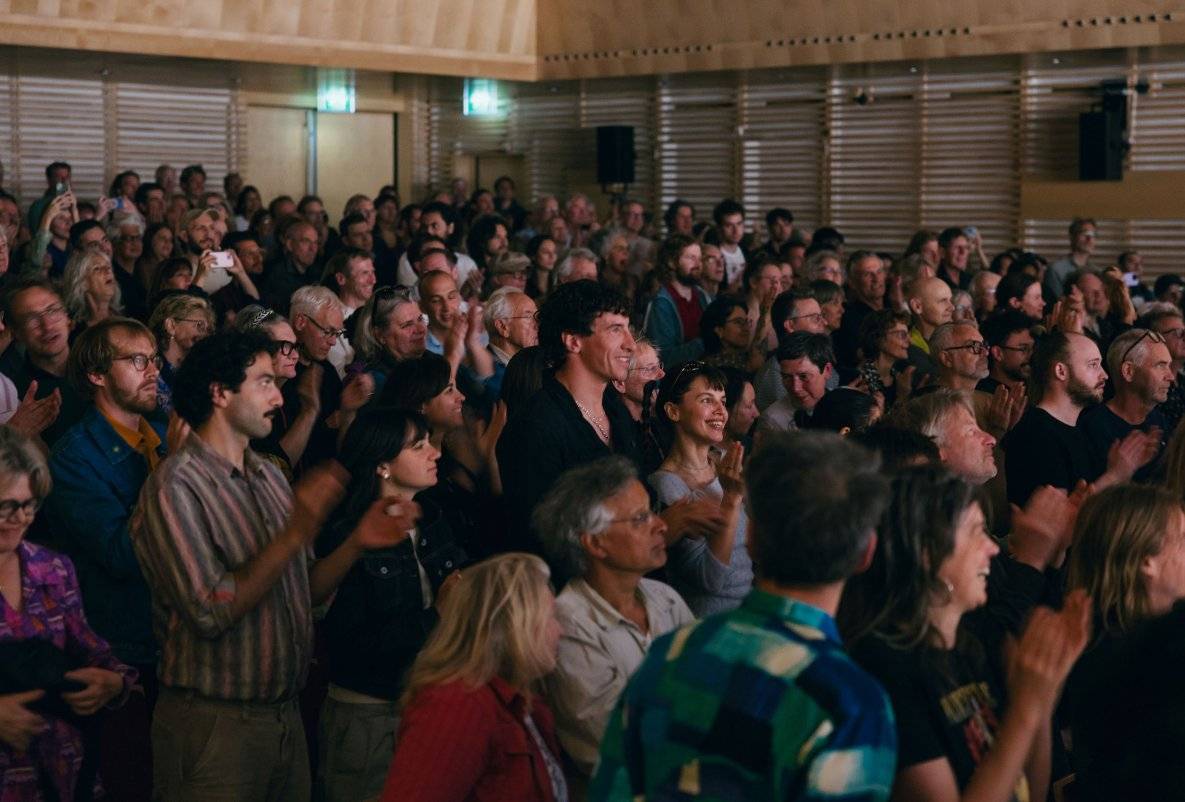
With an average occupancy rate of over 80% and many sold-out performances, we look back on a successful edition. 104 performances were staged across 23 locations, including 14 co-productions, 2 in-house productions and 4 world premieres. This year, no fewer than 27 artists made their Holland Festival debut.


We are pleased to see more and more young people attending performances, a success partly attributable to the HF Young programme and the ambassadors of the HF Young Circle, whose enthusiasm helps draw in their peers. Several productions also succeeded in attracting specific audiences, such as Brecht's First Play and A Trial – after An Enemy of the People, which were well attended by local Chinese and Brazilian communities.


A Trial – after An Enemy of the People was a special commission by the Holland Festival in collaboration with the Edinburgh and Avignon festivals. These three major summer festivals share the same founding year, 1947, and will celebrate their 80th anniversary next year. In that spirit, we jointly produced a work for the first time in nearly eight decades, and a new co-production is already in the works for 2027.


Another first was our collaboration with PLT Theater Heerlen. A Possibility by Germaine Kruip — a visual counterpart of sorts to Guðnadóttir's attentive listening — was presented in both Amsterdam and Heerlen. The co-production aligns well with PLT's ambition to bring in exceptional, groundbreaking work, and with the Holland Festival's own ambition to present festival performances beyond the Randstad region.


Preparations for next year's edition are already underway. More details about this anniversary programme will be announced in the course of the coming year. The opening performance will take place on 3 June 2027 at the Royal Concertgebouw, and the festival will run through 27 June.


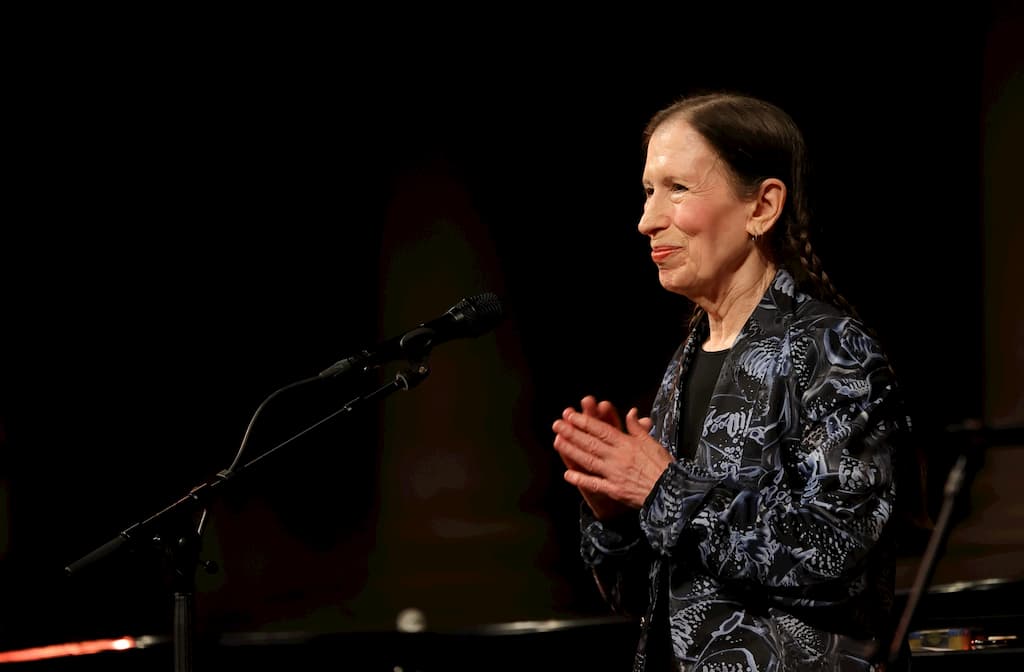
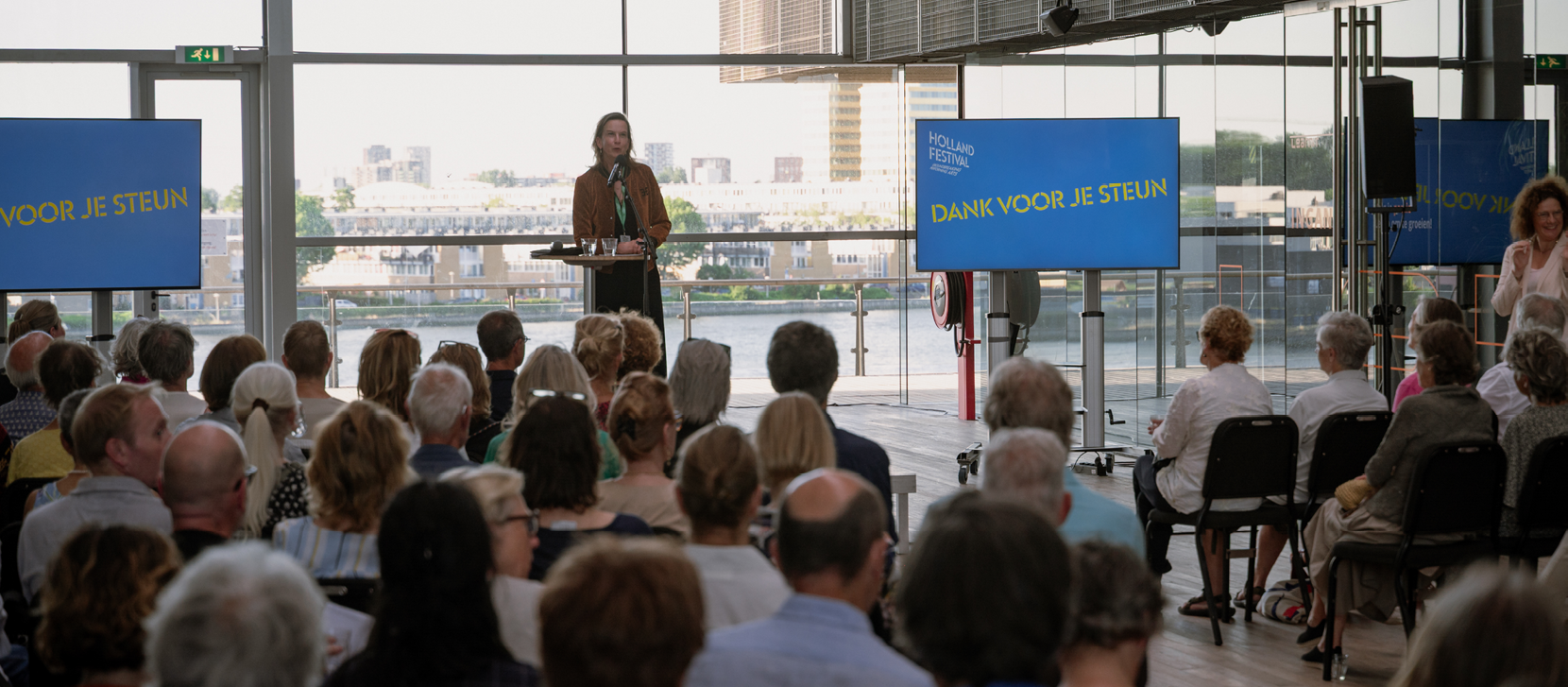
But for now, I would like to thank all the artists, performers, crews and partners who helped make this 79th edition possible. Our special thanks go to Hildur Guðnadóttir, who enriched the festival enormously through her own work and that of others, but also through her conversations with Meredith Monk, students, young composers, artists and audiences. It is only through the steadfast support of our subsidy providers, numerous partners, private friends and funds, as well as our venues and content partners, that we are able to organise the Holland Festival and make it a success. Thanks also go to all our visitors for listening, discussing and understanding. And last but certainly not least, I would like to thank the Holland Festival team for the boundless energy, dedication and empathy with which they once again delivered a successful edition.


Emily Ansenk, Director

Aftermovie


Press reviews

  • Chernobyl

    "The music Gudnadóttir composed for the 2019 HBO series *Chernobyl* is wonderfully beautiful and deeply unsettling. She won an Emmy for it, and quite rightly so. If you’ve seen the series about the 1986 Chernobyl nuclear disaster, the images from it naturally came back to mind when you heard the live-performed soundtrack.

    This was partly due to the beautifully lit Gashouder (designed by Theresa Baumgartner), which, in that misty, claustrophobic darkness, bore a certain resemblance to that ill-fated nuclear power plant. An industrial space where visitors were also allowed to wander around.’


    - Trouw, Hugo Jager


    picture: Janiek Dam

  • Mirage

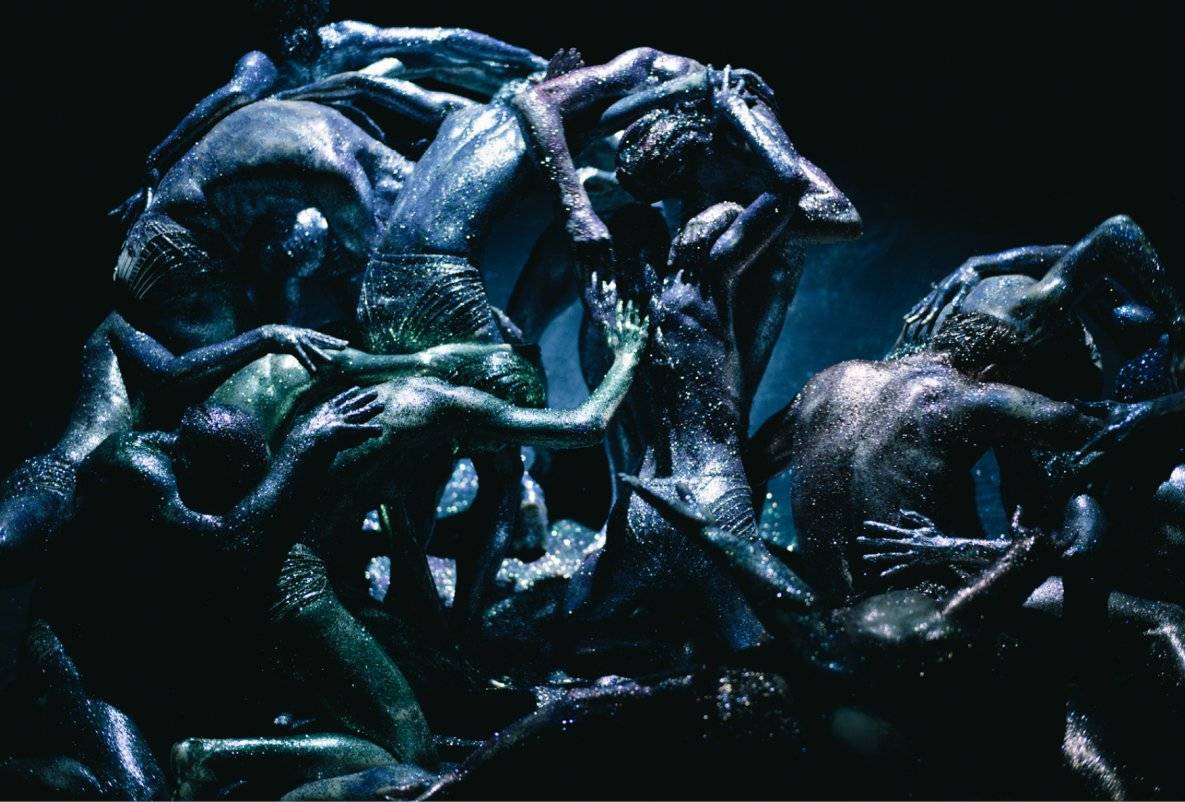
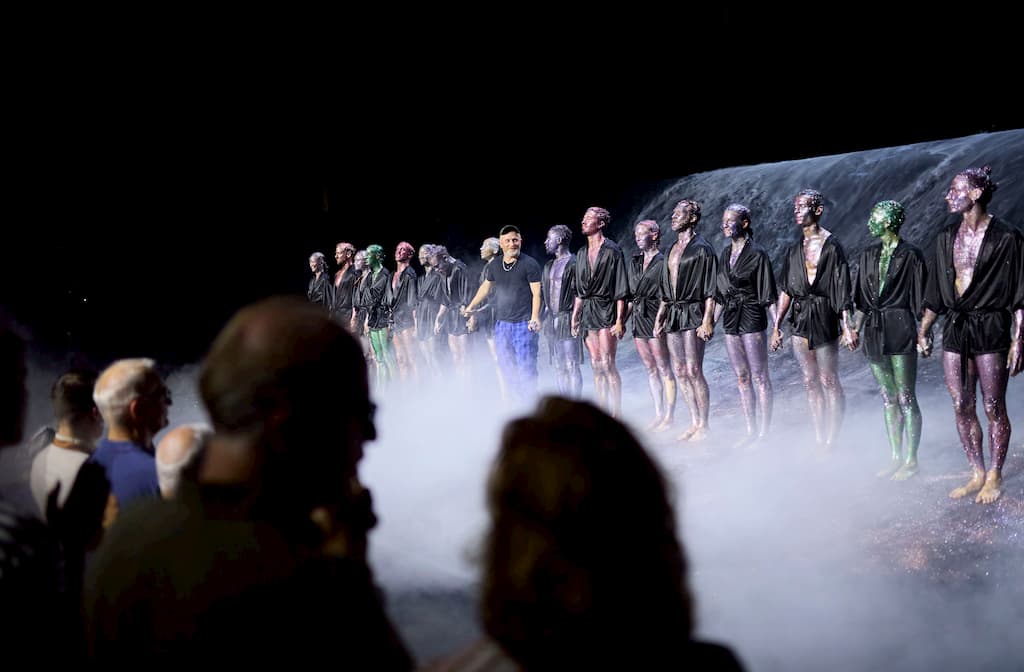
    'In short, everyone loves Damien Jalet, and there is indeed much to admire in the enchanting visual language he developed with Nawa. The work offers ample opportunity to appreciate the sculptural quality and musculature of the performers, thanks to the choreography’s often unhurried pace, accompanied by Thomas Bangalter’s spacious, reverberant electronic soundscape. As in the film Mist, Nawa once again unleashes great billowing clouds of mist that roll over the ridge before dispersing, as though a sandstorm were sweeping across the desert'.


    - NRC, Francine van der Wiel


    picture: Rahi Rezvani

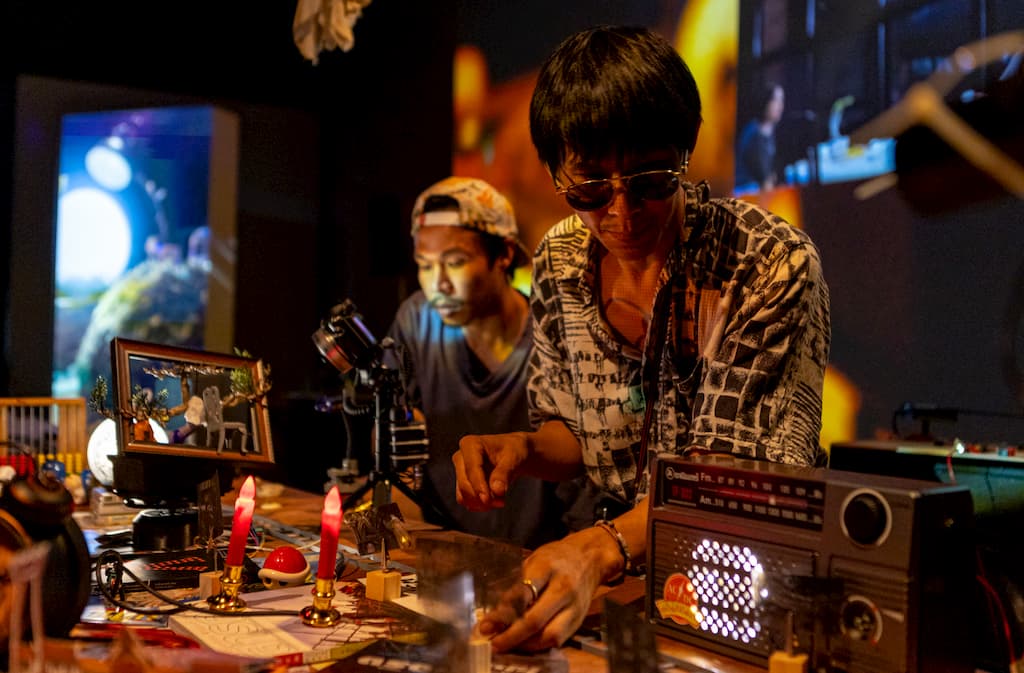
  • Juggle & Hide

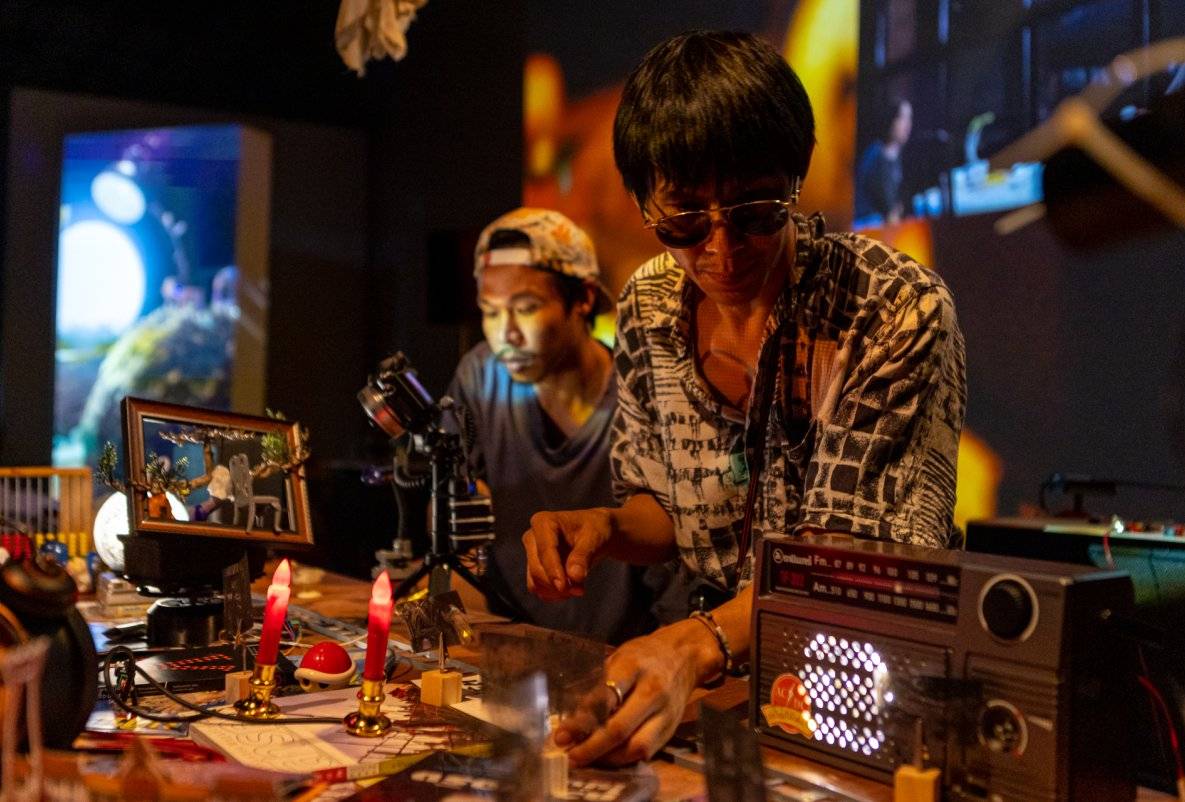
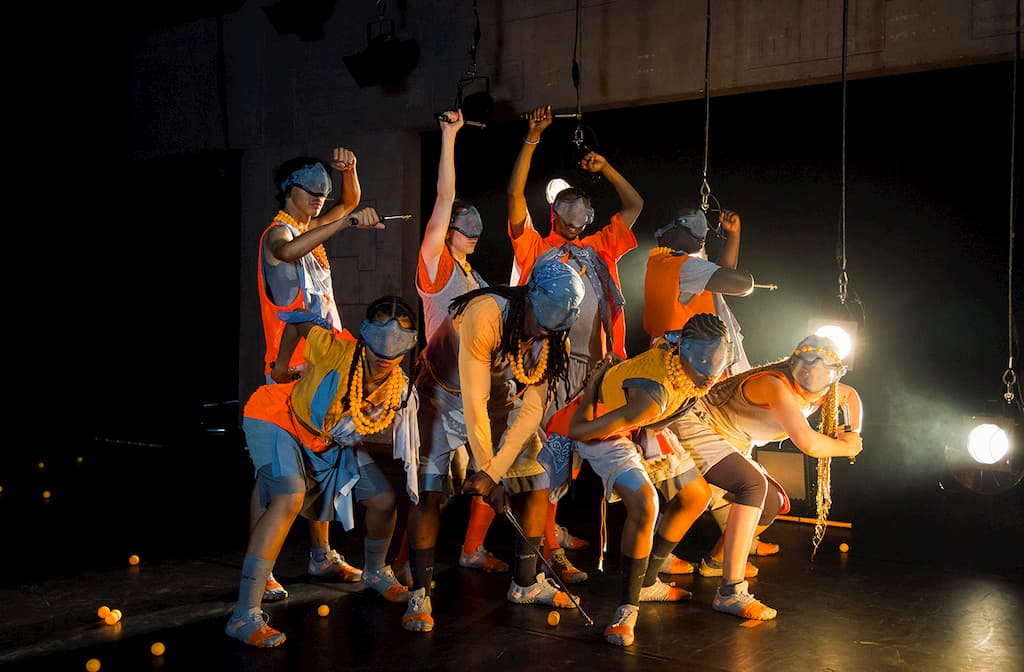
    'It is a beautifully composed scene: pleasantly estranging and theatrically compelling. Apparently, audiences in Thailand are just as fond of metatheatre, in which the process of making a performance is laid bare. Director Artamat cleverly draws a parallel between a population rising up against authoritarian leaders and stage props rebelling against their director. As a result, despite its elusiveness, this seventy-five-minute performance holds your attention throughout.'


    - de Volkskrant, Joris Henquet


    picture: Jukkrit Hanpipatpanich

  • Spem in alium

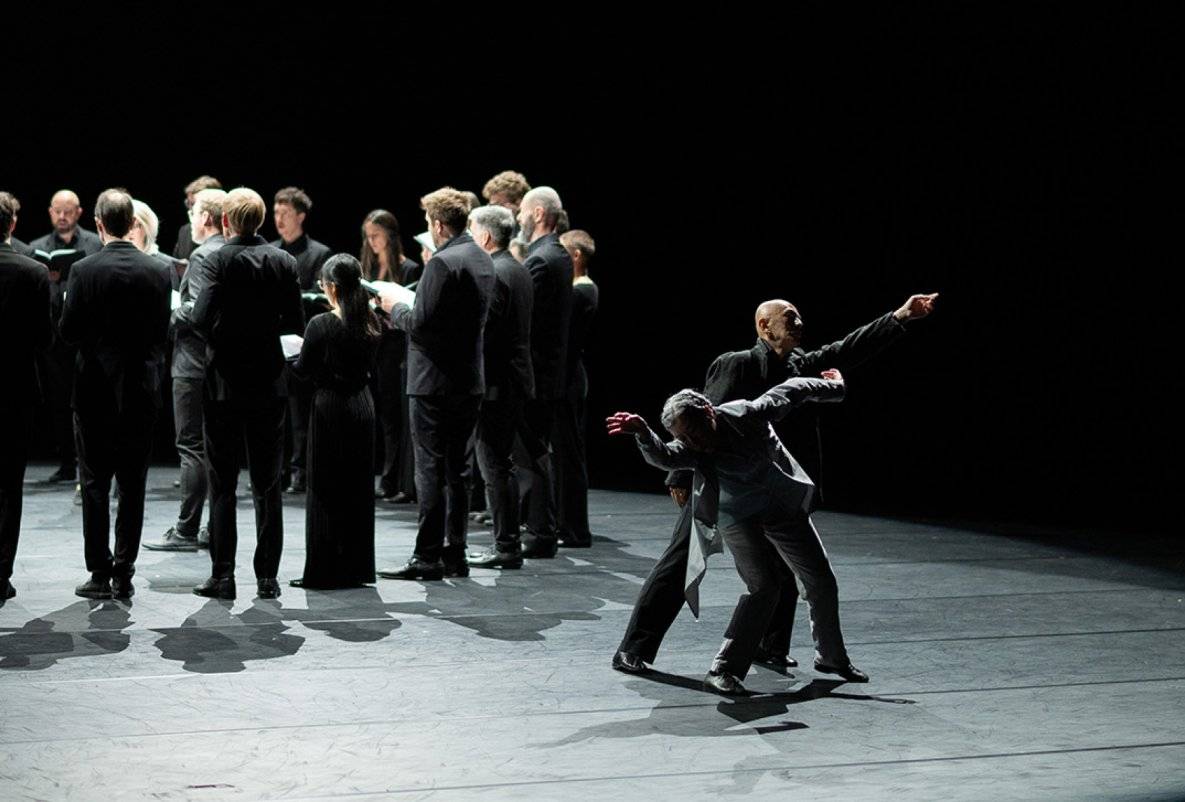
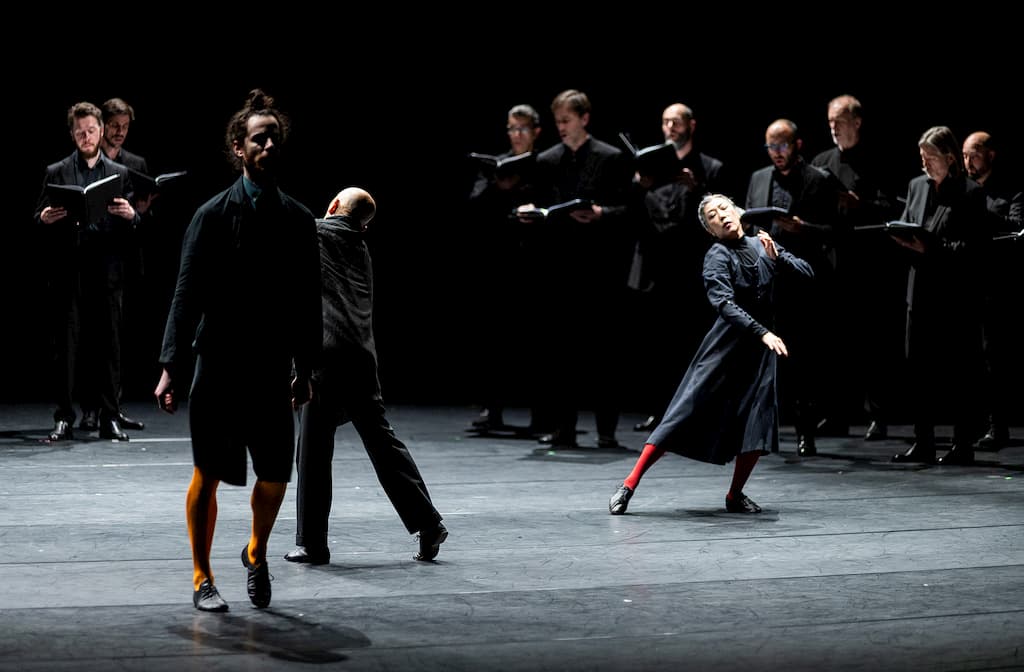
    'Does she move like a silver-grey bird, splashing through a pool of water? Or like a woman in a loose-fitting suit, striving to take flight towards something beyond? Dancer Rihoko Sato, muse and creative partner of Japanese choreographer Saburo Teshigawara, opens the serene dance concert Spem in Alium, encircled by the protective presence of forty singers. (...) Every shade of breath seems to course through the dancers' bodies in Spem in Alium. At times, they appear to draw in the energy of the singing itself. Deeply soothing.'


    - de Volkskrant ★★★★, Annette Embrechts


    picture: C. Lucas Denuwelaere - Concertgebouw Brugge

  • Brecht's First Play

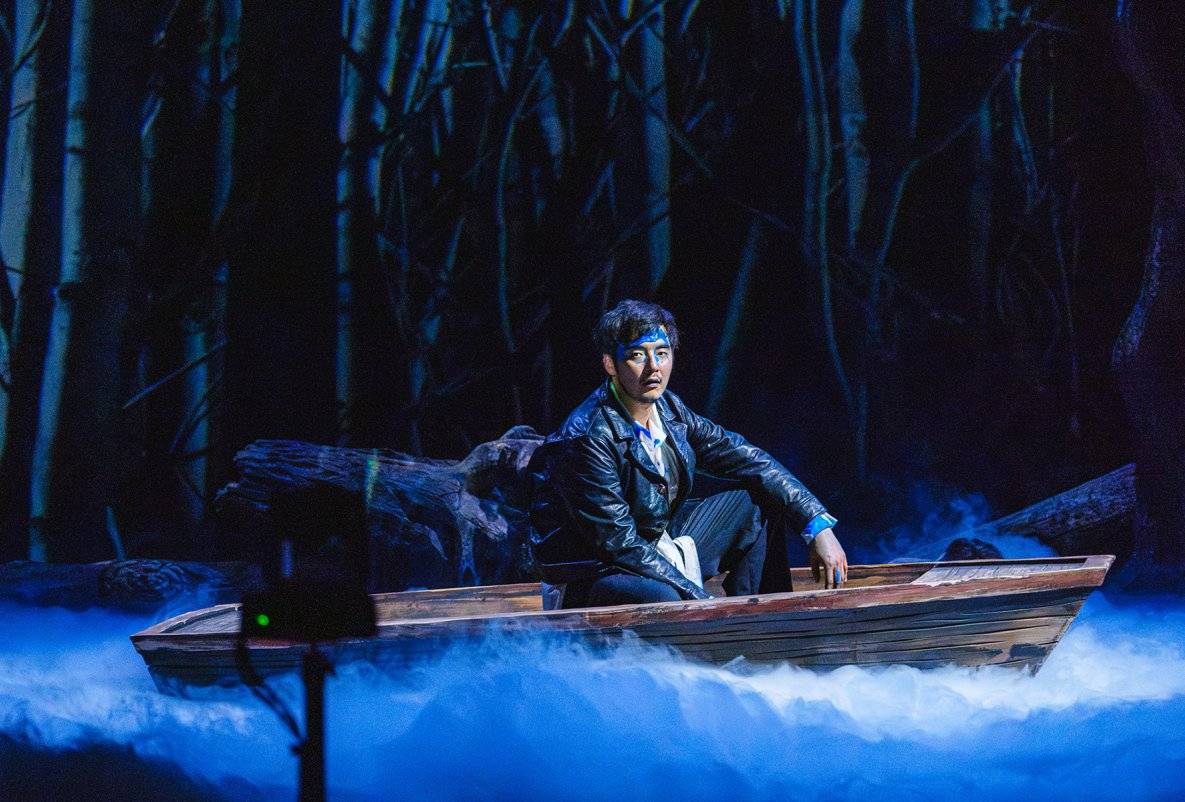
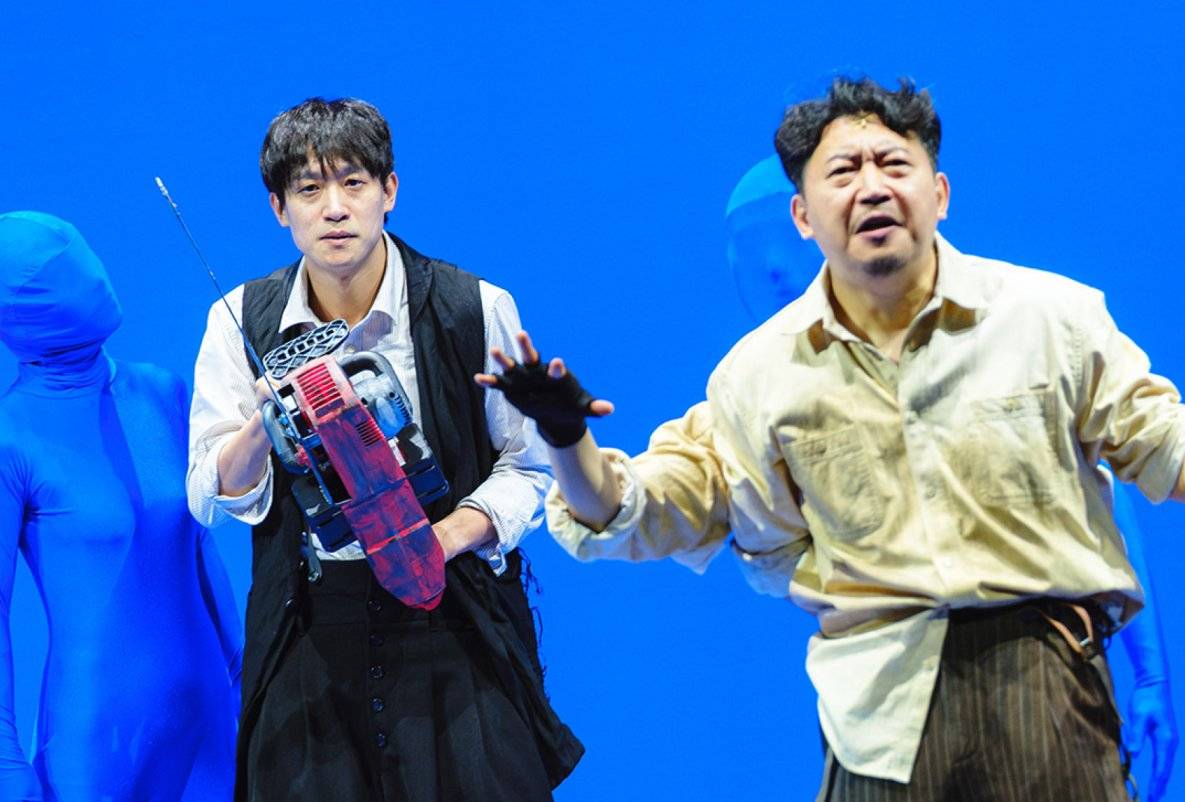
    'How do you perform a problematic role in the age of cancel culture? This Chinese-Irish production simply bleeps its protagonist out.

    The inventive Brecht’s First Play creates an intriguing dialogue between a century-old play and contemporary moral values. (...) At first, the makers congratulate themselves on their interventions: by cancelling and blurring Baal, they believe they are not only improving Brecht’s play but also making society a safer place. As the evening unfolds, however, doubts begin to surface. Is Baal merely a scapegoat? And would it not be better to confront the social system that gave rise to his actions?'


    - de Volkskrant ★★★★, Joris Henquet


    picture: Ka Lam (On The Paper)

  • And Now I Kow What Love Is

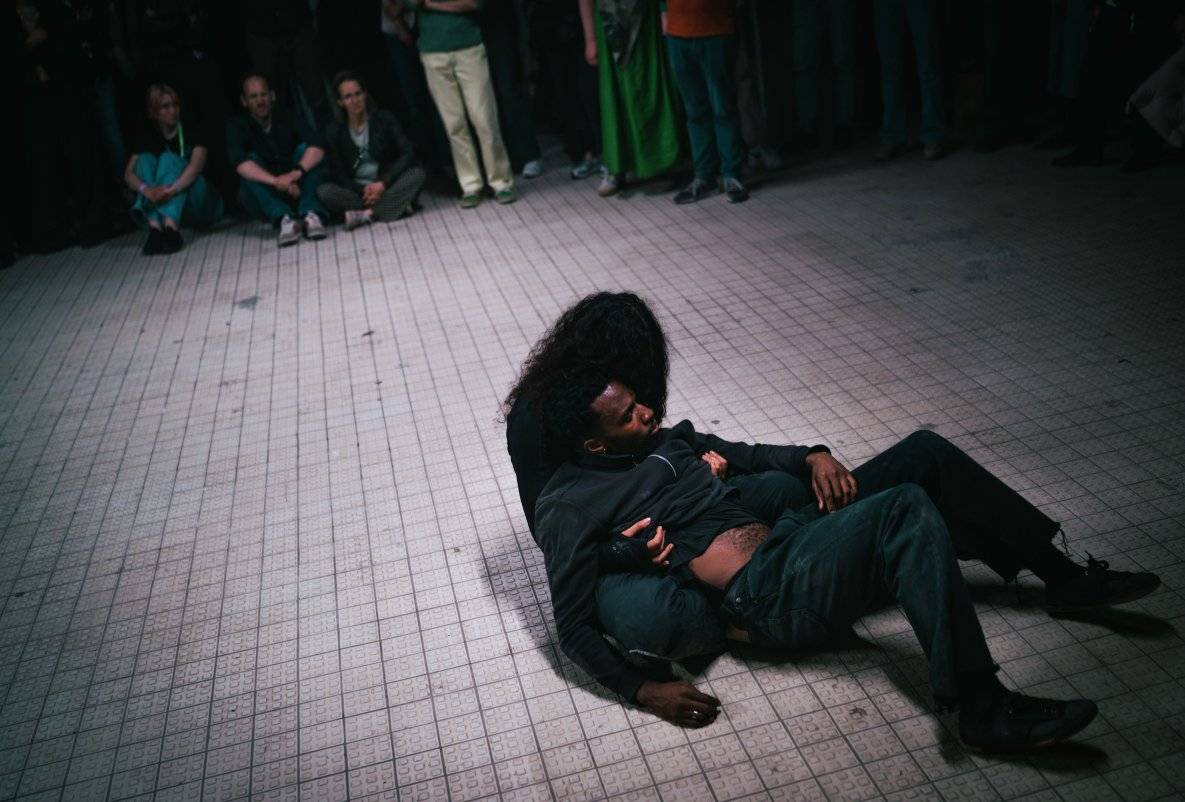
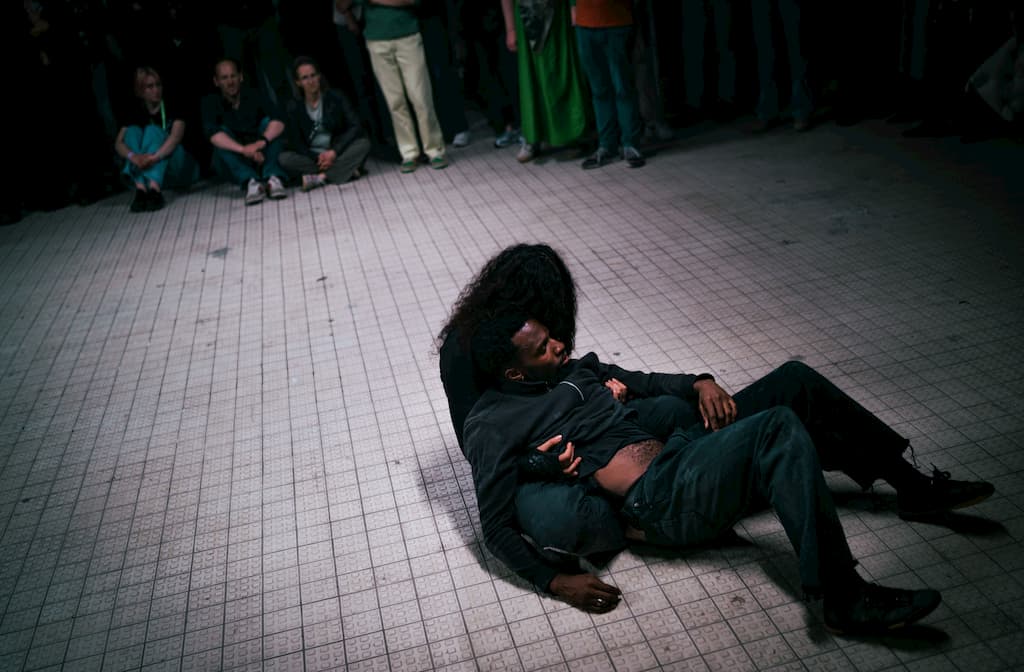
    'In de Bajes, punishing bass drones batter the eardrums. (...) In the second half, the movements of the seven performers become increasingly intense. Their gestures and violent convulsions convey self-loathing, aggression, pain and fear. (...) Their uneasy pushing and pulling gradually evolves into mutual support, even tenderness.'


    - NRC, Francine van der Wiel


    picture: David Hup

  • Sada (Echo)

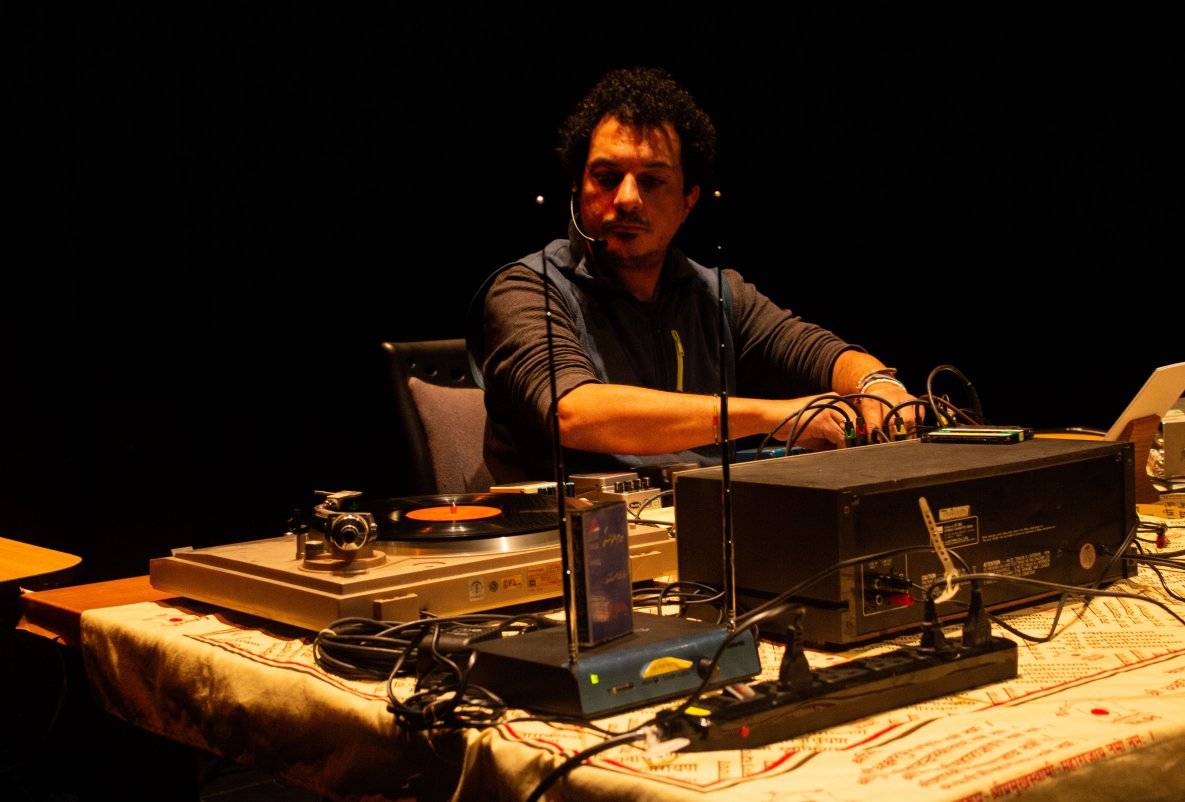
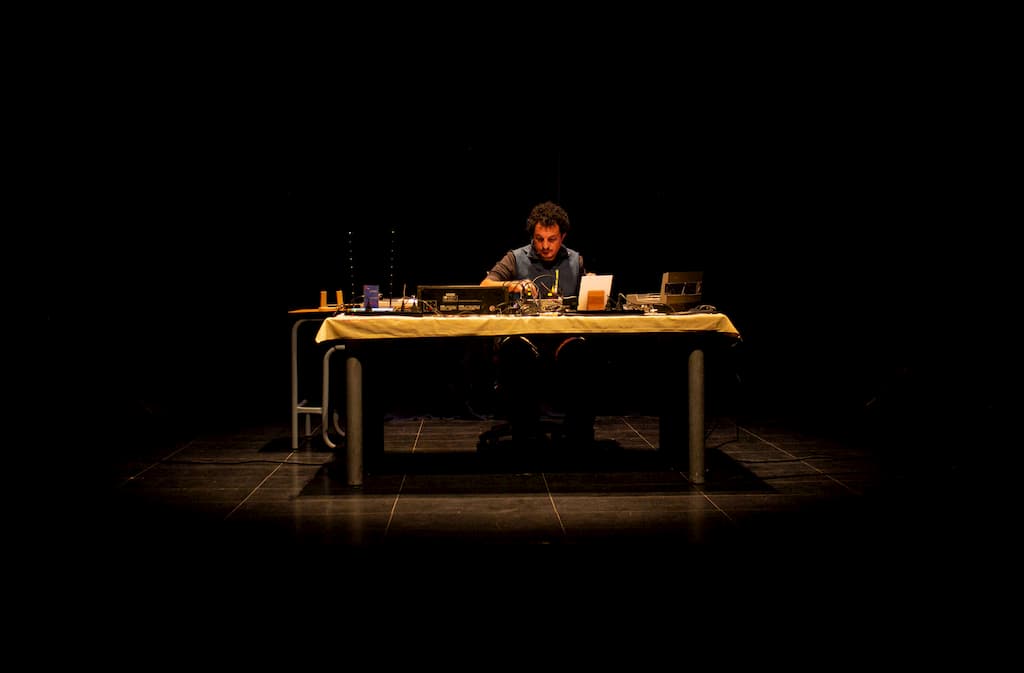
    'The title of the performance, Sada (Echo), thus refers not only to the echo devices with which Helmy occasionally processes the music, the voice from the tape and his own voice, but also to Helmy’s Recherche du temps perdu, to how memory works, memories, loss, a loss in the personal sphere. And, as Helmy says, the inspiration was also the idea of losing a part of yourself when someone disappears from your life, since those other people who disappear from your life also take away a part of you through their memories.'


    - Operamagazine, Neil van der Linden

  • Nærmynd: Iceland Symphony Orchestra x Hildur Guðnadóttir

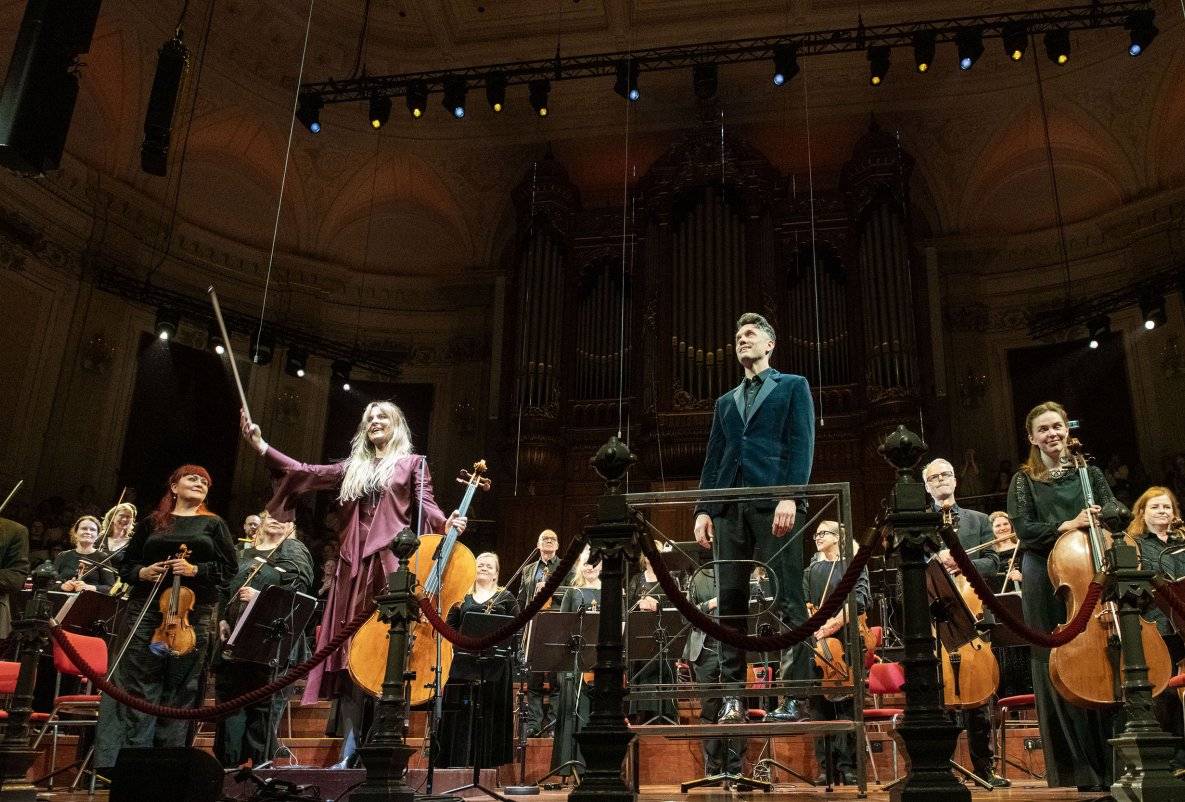
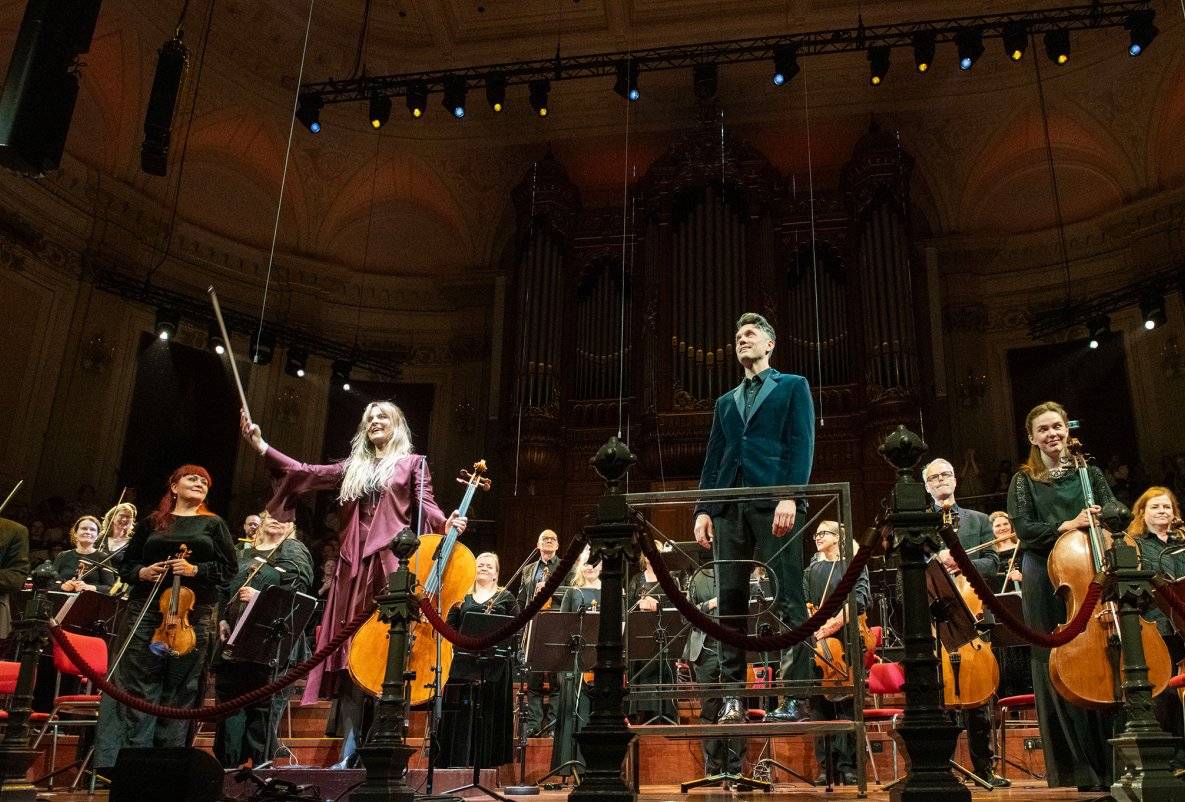
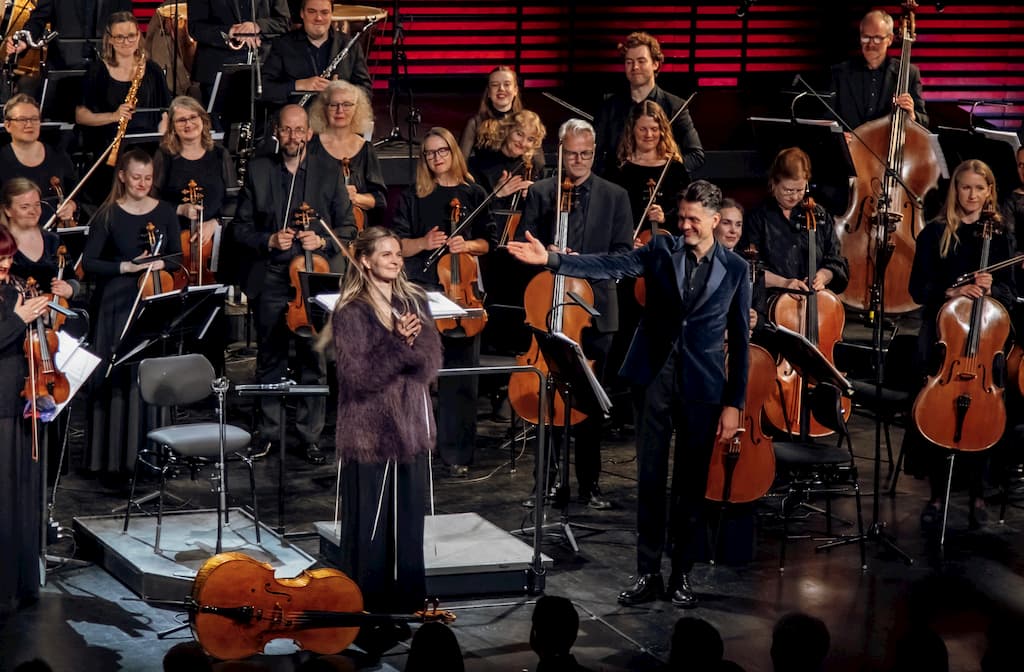
    'In The Song That Never Was, which was also commissioned, an impressively deep sound emerged in the double basses, flowing into a chain of connected notes in the violins and wind instruments. Her film scores were also not absent. You did not miss the images for a moment.'


    - Trouw ★★★★, Isabel Baneke


    picture: Janiek Dam


    Listen to a recording of the concert Naermynd through NPO Klassiek.

  • Split Tooth

    'A gratifying immersion in the richness of Inuit culture. (...) The singers’ distinctiveness, confidence and mutual solidarity result in a performance that demonstrates the richness, beauty and resilience of Inuit culture, and in particular the role of women within it.'


    – Theaterkrant, Marijn Lems


    picture: Jan Gates

  • Holobiont

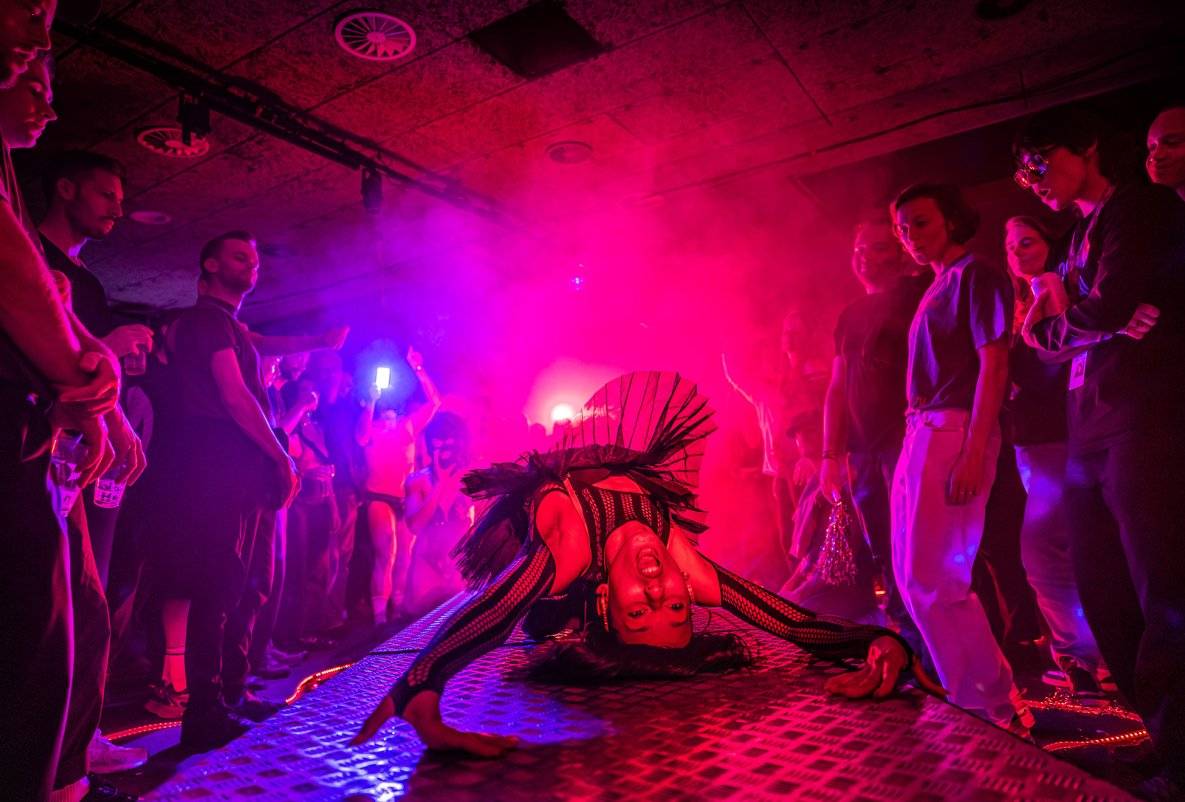
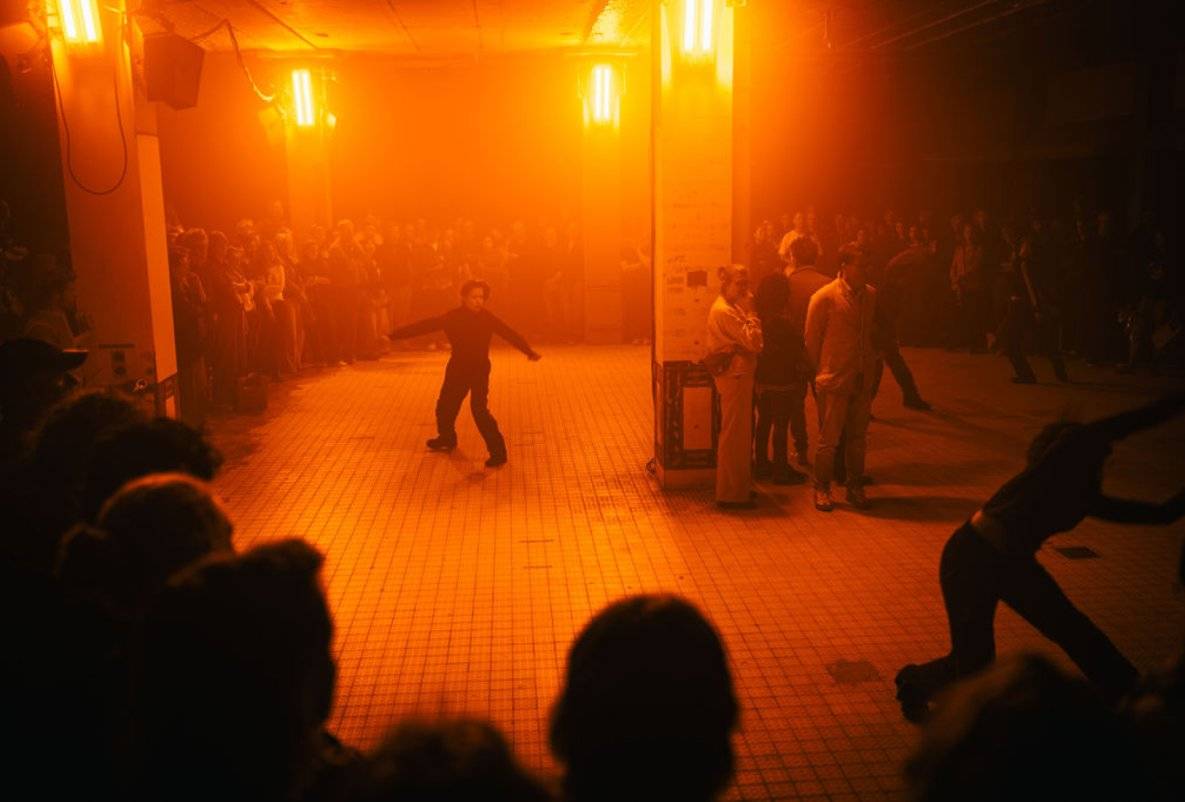
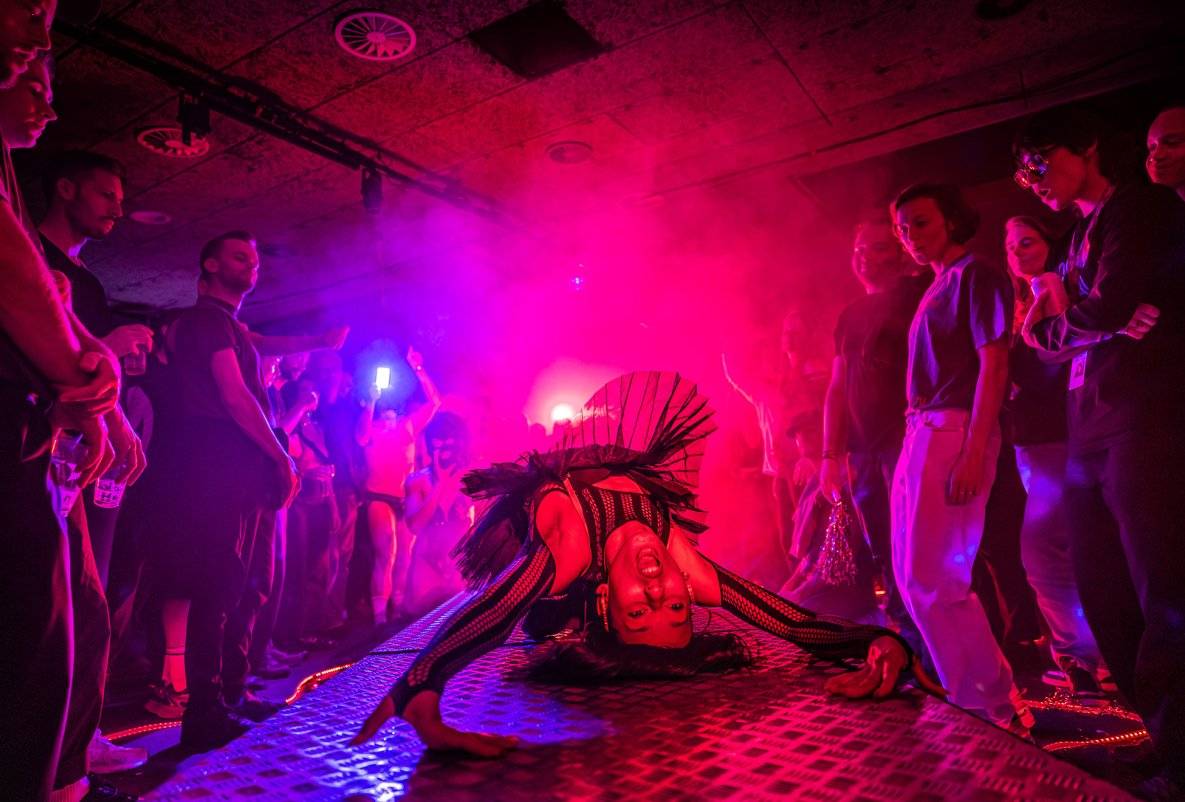
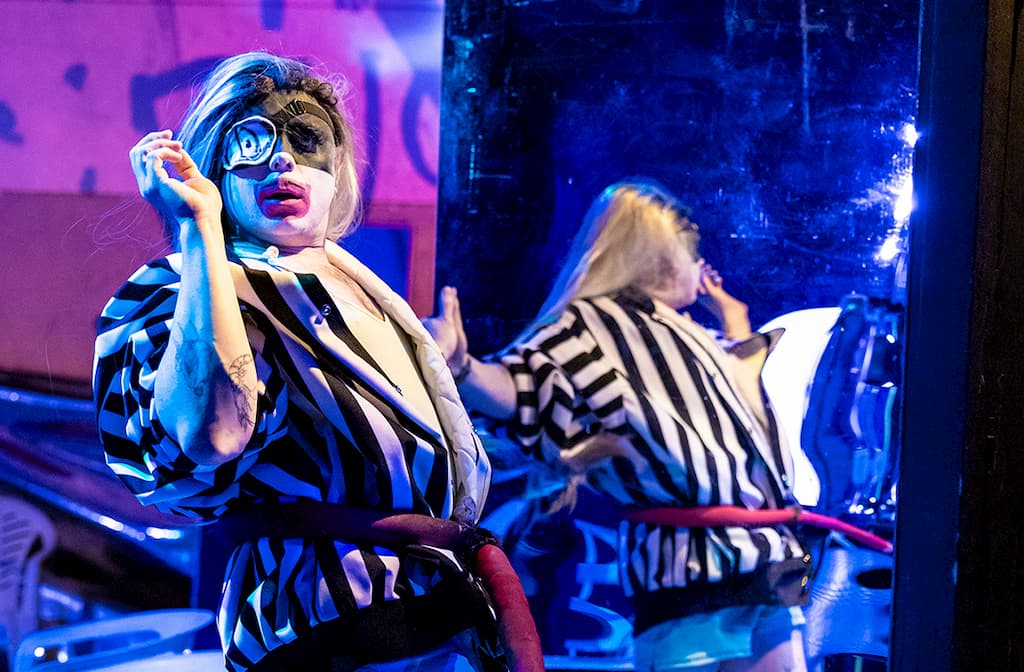
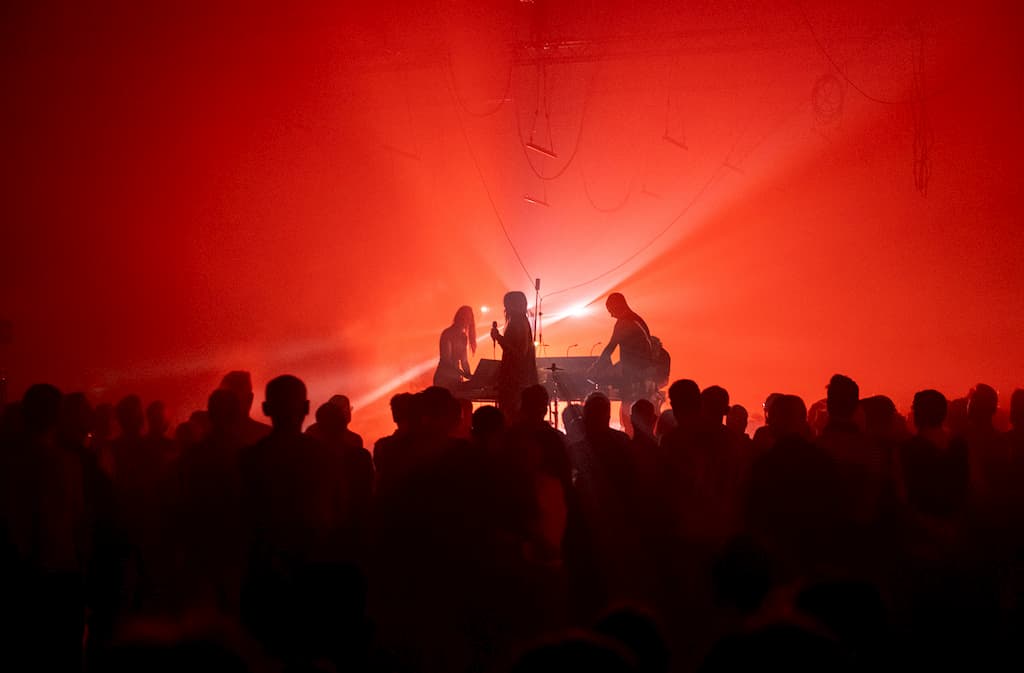
    'The intriguing rave performance Holobiont is an exuberant ode to nightlife and to the freedom to be whoever you want to be. (...) At times it is somewhat chaotic and disorienting, but that suits the work. Queerness, after all, also encompasses a certain anti-mentality (anti-sexism, anti-fascism).'


    - de Volkskrant ★★★★, Ela Çolak


    picture: Casper Koster

  • WE ARE THE HOUSE

    'Poetic performance about abortion manages to move. WE ARE THE HOUSE convinces and touches because the makers generally choose emotional complexity and the concrete and intimate. To the point of estrangement: there is, for instance, a wonderfully well-timed video about octopus sex in close-up. A highlight is the long, incantatory monologue in which Van Bommel addresses a young woman undergoing an abortion in Japan, where a home pregnancy test only became available in 1990.'


    - NRC ★★★★, Joep Stapel


    picture: Ada Nieuwendijk

  • Qaqnas

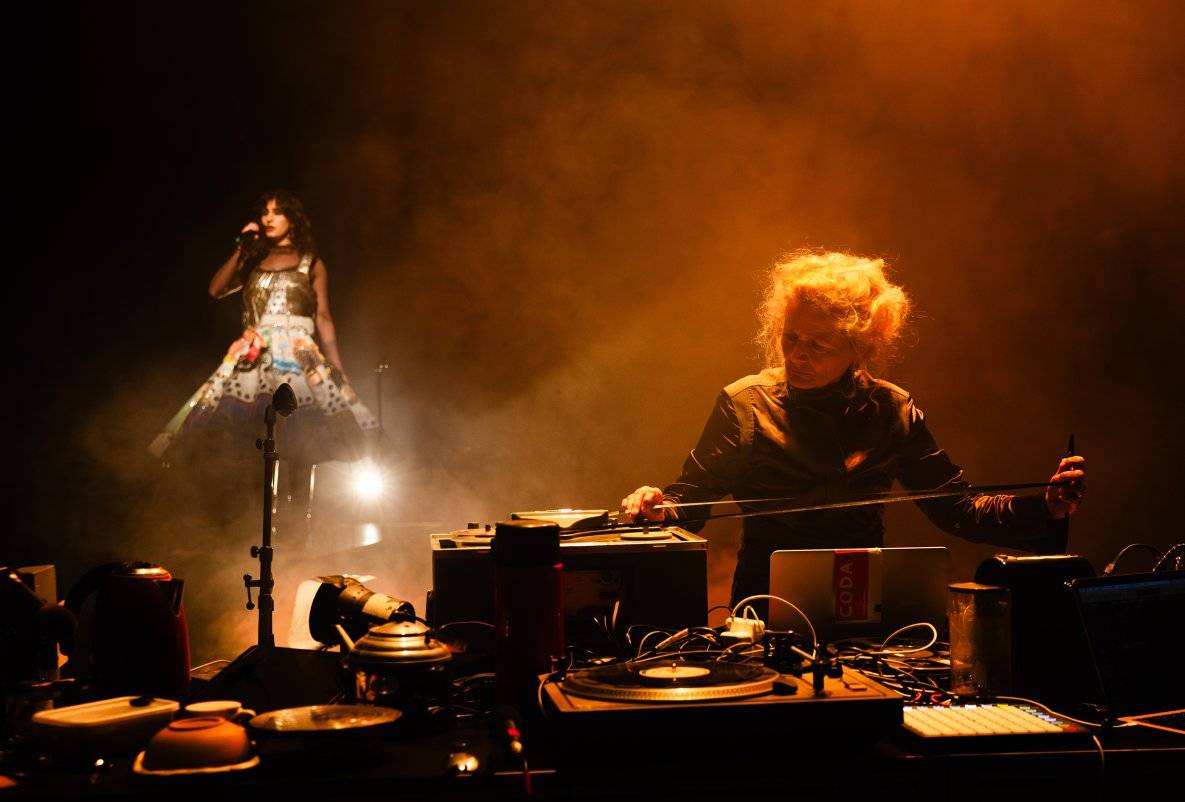
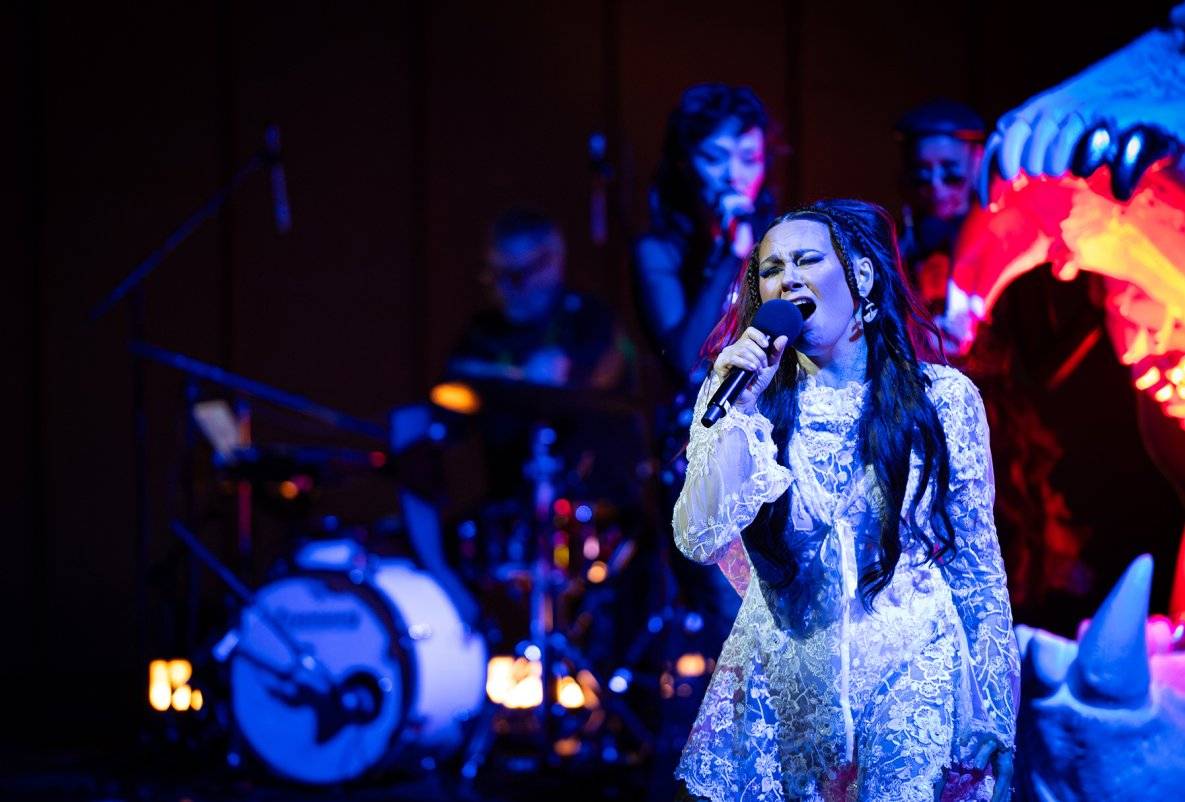
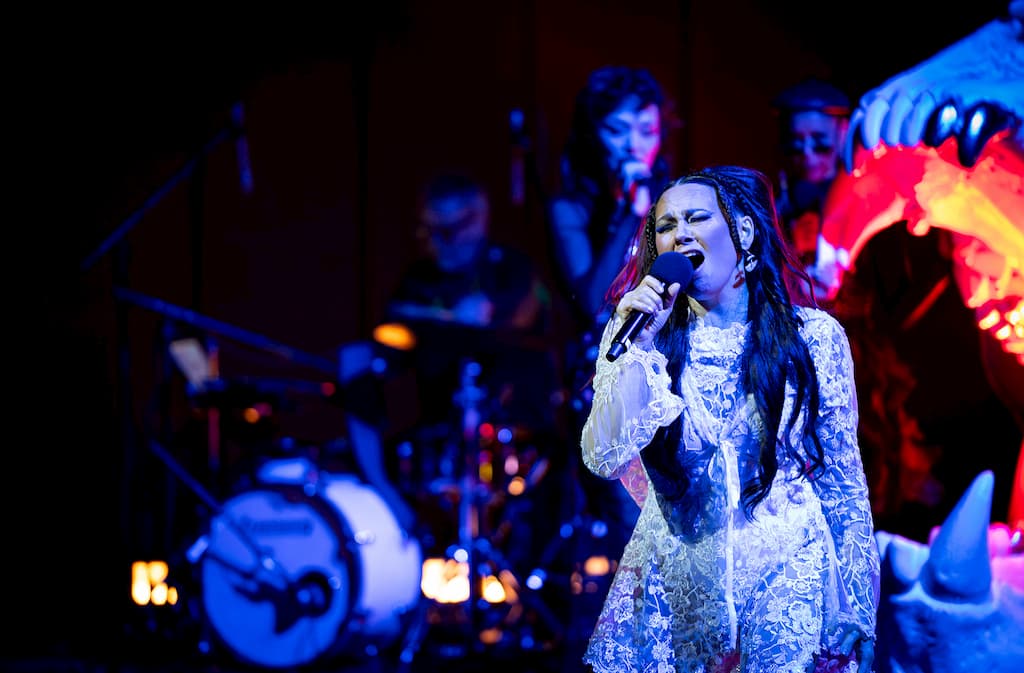
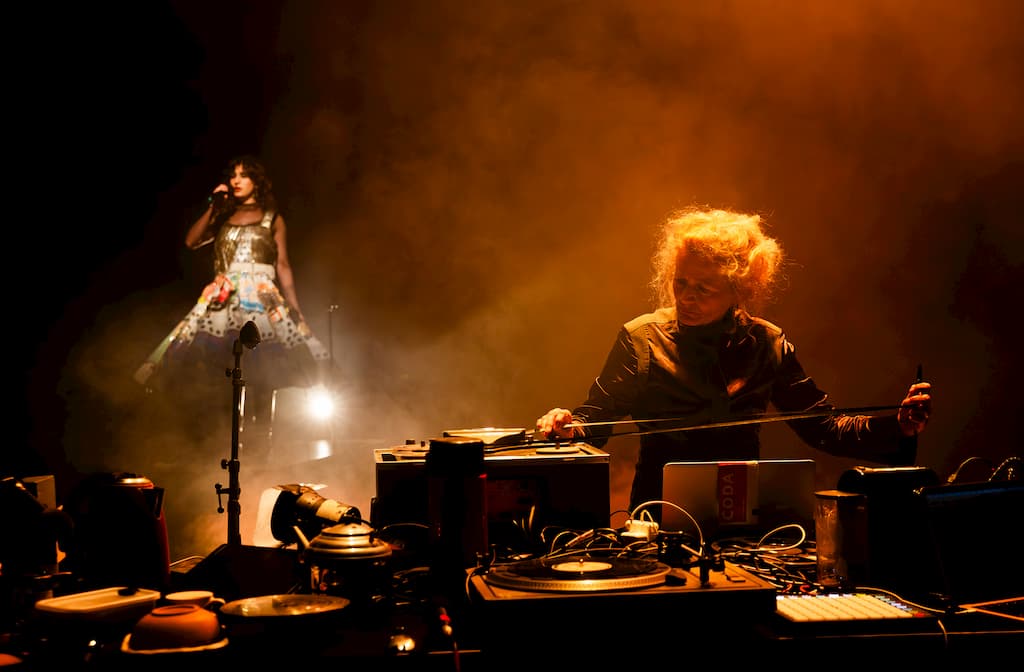
    'In the opera Qaqnas, the distorted sounds of household appliances create an exciting soundscape. (...) Percussionist Mei-Ye Lee gives all the everyday objects a heartbeat in a virtuoso manner, just as a kitchen table is the beating heart of a family. Here, it concerns a community of strong women who give voice to the painful struggles of many women around the world.'


    - de Volkskrant ★★★★, Maartje Stokkers


    picture: Bowie Verschuuren

  • A Possibility

    'In the overwhelming, meditative performance A Possibility, in which light, sound and the theatre itself play the leading roles, artist Germaine Kruip explores how we perceive. (...) The performance takes its time. “In that slowness, you encounter yourself,” says the artist. “At first, many people feel resistance to surrendering to the experience, but if you can move through that, all kinds of things begin to emerge” 


    - het Parool, Nora de Bruine


    picture: Marcus Ginns

  • When I Saw the Sea

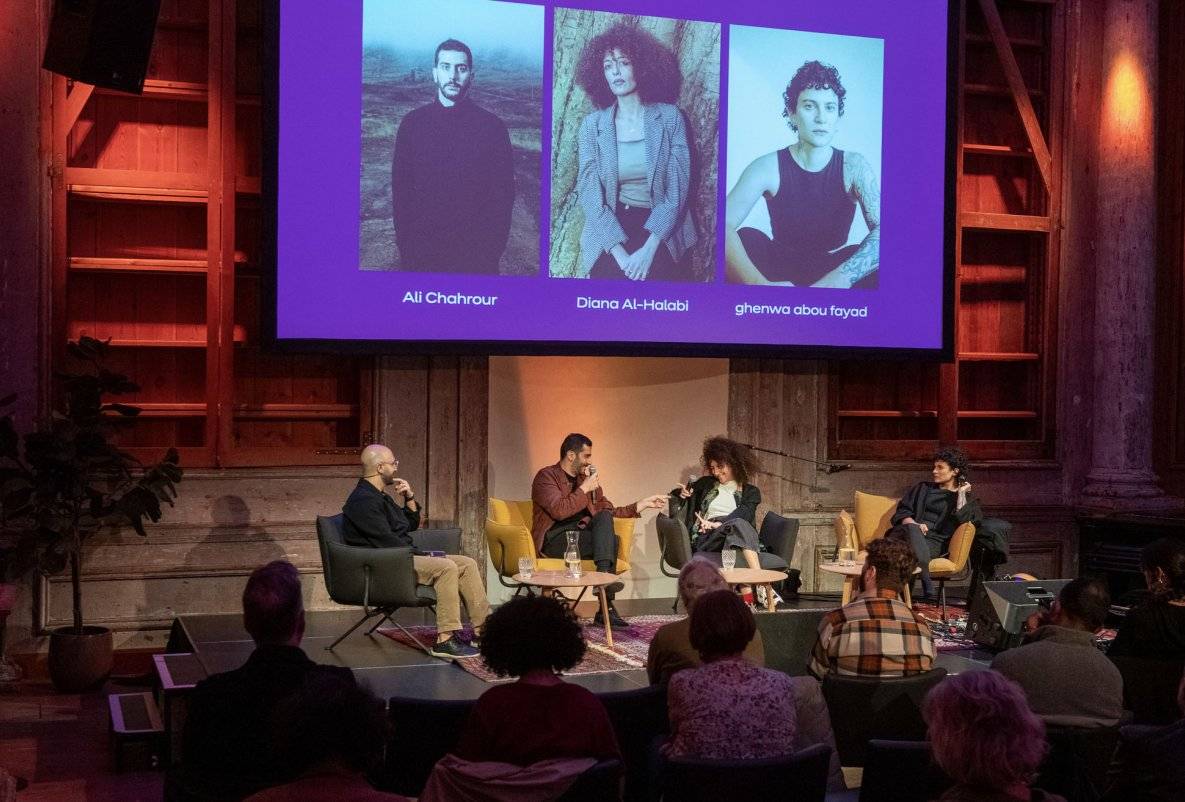
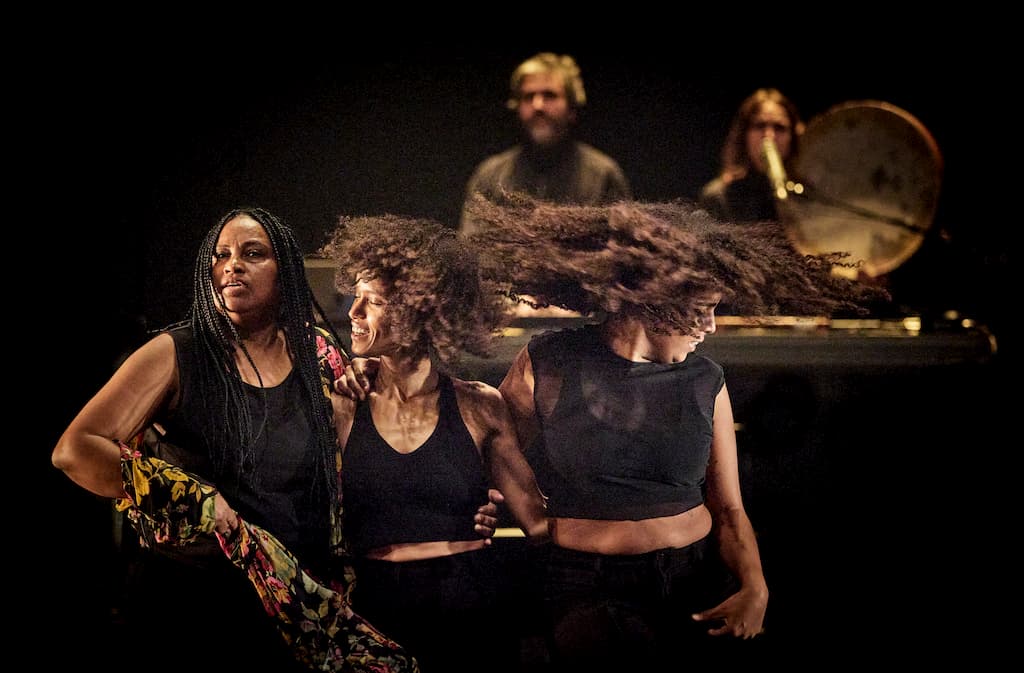
    'The award-winning Chahrour, who appeared at the Holland Festival last year with an ode to Arab mothers, deserves nothing but praise for his choice to work with these captivating amateur performers. Through thoughtful movements and a gentle voice, they share their heartbreaking stories one by one. (...) In the extraordinarily moving When I Saw the Sea, these three courageous and resilient women claim their dignity, something one can only wish for their many counterparts.'


    – de Volkskrant ★★★★, Ela Çolak


    picture: Luz Soria

  • Your Eyes in My Head/Sunday without Love

    'The sound seems to come from the left and right, from behind and from in front. You feel surrounded by the narrator’s thoughts, which guide you through a torrent of images by way of sounds: the crunch of footsteps on gravel, the squeaking and rushing of an approaching and departing train, the sound that travels from your teeth to the centre of your head when you brush them, flying insects, chirping crickets, rain on a tent canvas, a square or a park full of people chatting.'


    - Het Parool, Nora de Bruine


    picture: Ada Nieuwendijk

  • Bilderschlachten

    'Bilderschlachten by choreographer Stephanie Thiersch is literally breathtaking: for large parts of the ninety-minute performance, the dancers move only to the restless rhythm of their own panting, puffing and snorting, which also leaves you as a spectator gasping for breath. The enormous variety of movements, images and expressed emotions is equally overwhelming, leaving you unsure where to look.

    The whole piece fits together perfectly with the collage of musical fragments created by Brigitta Muntendorf.'


    - Theaterkrant, Thea Derks


    picture: Martin Rottenkolber

  • A Trial - after An Enemy of the People

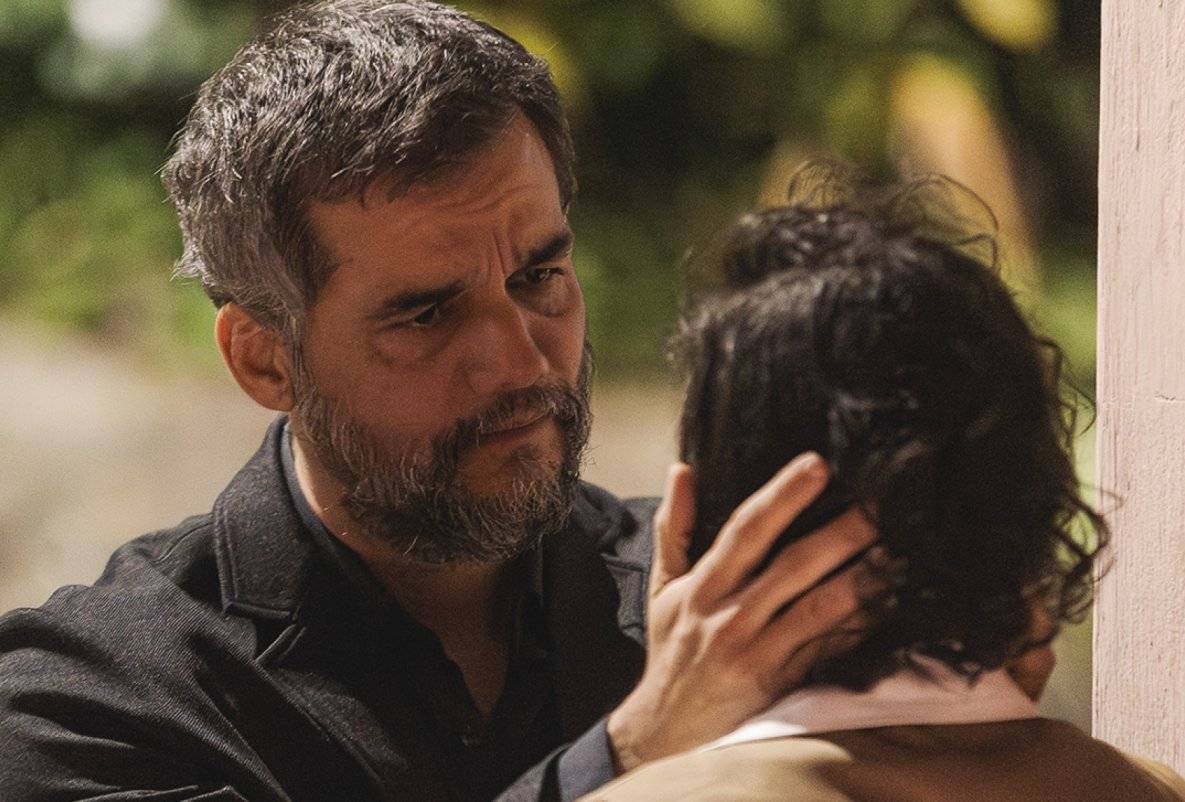
    'As usual, Jatahy combines theatre with film, this time supplemented by amiable interactions with the audience and interactive scenes in which the jury members question the defendant. Moura is visibly in his element during these interludes: with agile, unpredictable acting, he reveals different facets of his craft than in his film work. He beautifully portrays his character gradually losing his composure, both in the improvisations with the jury members and in the confrontations with his brother.'
     
    - de Volkskrant ★★★★
     
    picture: Caio Lírio
  • LACRIMA

    'Lacrima, the Italian word for tear, is written in several languages, including colloquial French, French sign language, Tamil and English. The title appears to play with the French word for crime and also carries the character of a typical operatic classic. What Lacrima is not, is tame. The maker seizes every opportunity. No storyline is left unexplored and no question goes unasked. What it does not provide are answers. Not even to the question of whether Marion survives this crime.'


    -  De Groene Amsterdammer, Munganyende


    picture: Ada Nieuwendijk


  • Salukat

    'The different tonal system of this music means that your ears are constantly searching for points of recognition. Music that forces you to listen in a different way. And that effort pays off, because it is beautiful. (...) Salukat asks something of you. This is not a performance where you can simply sit back and relax. (...) You have to be willing to wander through unfamiliar territory for a while. For music lovers, that is precisely the great attraction of the Holland Festival.'
    NPO Cultuur, Rachel Pouwer


    picture: Luz Soria

Attentive Slowness

Art is a powerful medicine without negative side effects. That is the argument Daisy Fancourt makes in her book Art Cure, published last year. According to the British professor of psychobiology, the performing arts in particular offer relaxation and comfort, a mirror to see ourselves more clearly, and a crowbar to pry loose entrenched ideas, allowing us to move through life with greater flexibility and freedom.


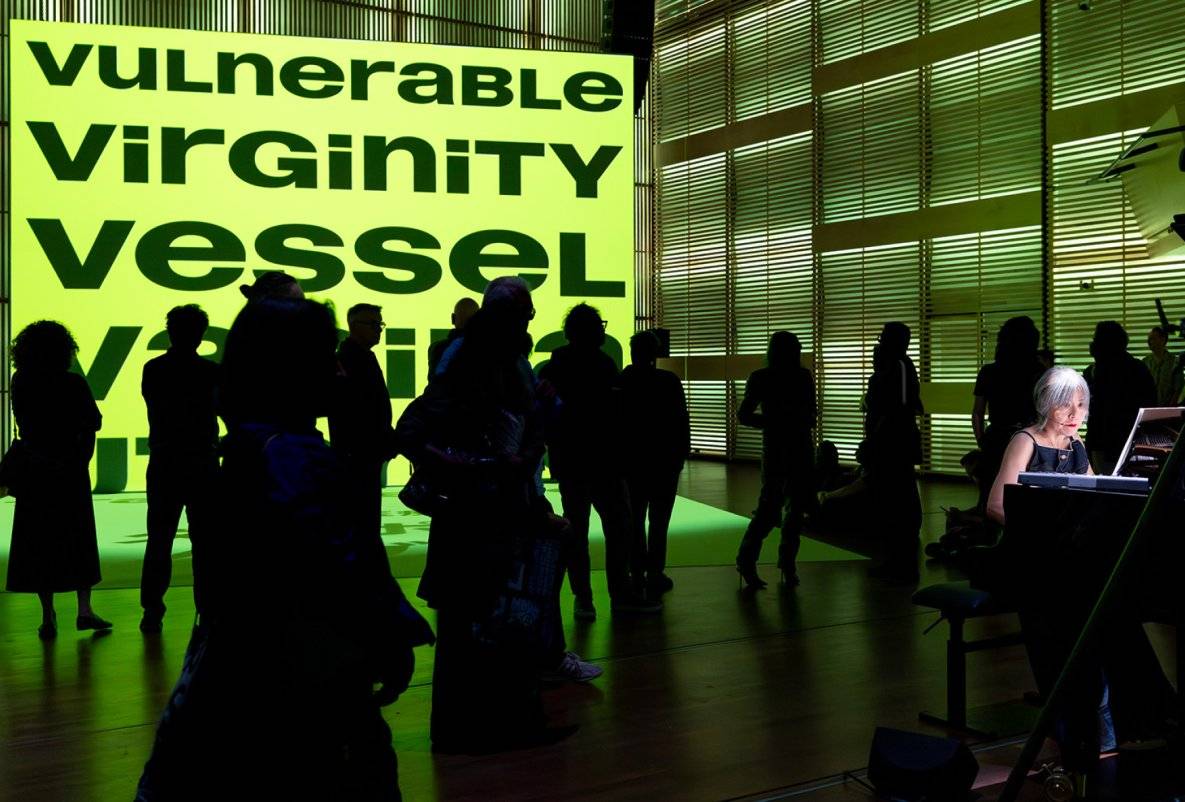
Anyone wanting to test the theory could experience art's healing power live over 26 days at the Holland Festival. At a time when the world seems to spin ever faster and obligations keep piling up, this edition was all about attentive slowness. In performances, workshops and conversations, visitors were invited to briefly forget their overflowing schedules and put down their attention-draining phones. Pause for a moment, empty the mind, open wide your eyes and ears, and suddenly you hear and see details that would otherwise pass you by in the rush. You notice those around you, people we sometimes risk overlooking in the daily rat race.


The message of slowing down resonated particularly well with younger visitors. But festival veterans, those who still remember life before the digital fast lane, embraced it wholeheartedly, too. The festival offered a time-out from the frenzy, moments to be fully present in the here and now and to engage the senses to their fullest. This created space for experiences in which a single note, a single sentence, or a single movement could contain an entire universe.

Listening as a form of love

As if on cue, just as Hildur Guðnadóttir had reminded the audience at Nærmynd in the Concertgebouw about the constant coughing and rustling of candy wrappers during concerts, and the hall had fallen into a self-conscious silence, a ringtone went off to the front left of the auditorium. "See, that's exactly what I mean," the composer said with disarming laughter, even thanking the visitor who had forgotten to switch their phone to airplane mode, as she is not the sort to scold people.


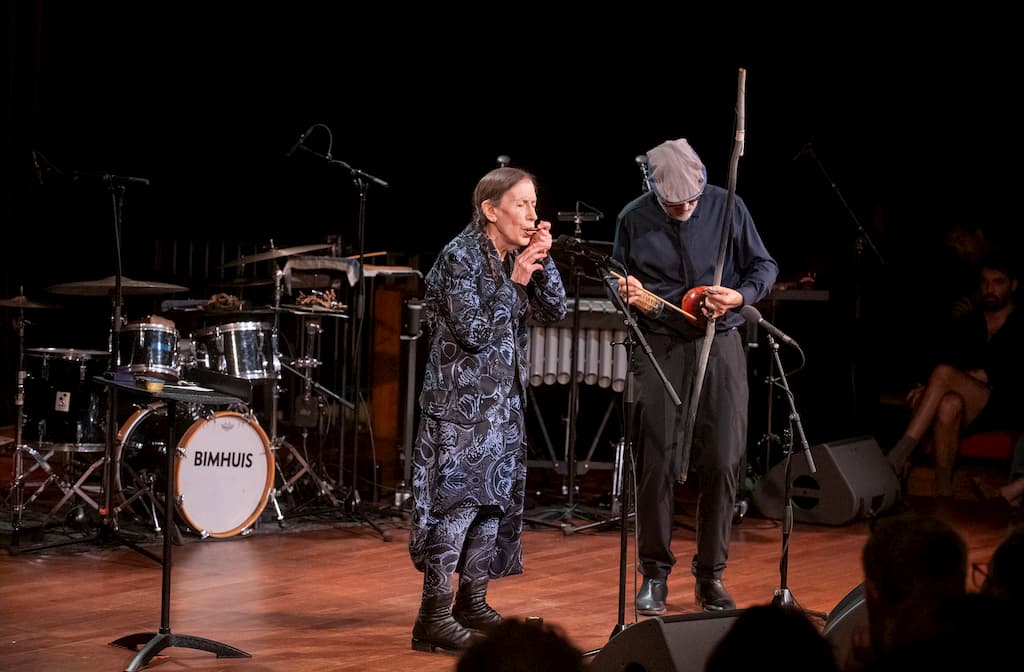
"Listening should really be a subject taught at conservatories," Guðnadóttir believes. "We talk about it far too little and don't practise it enough. We're taught how to make sound and how to project it, but not how it lands on the other end. Which is strange, really, when you think about it."


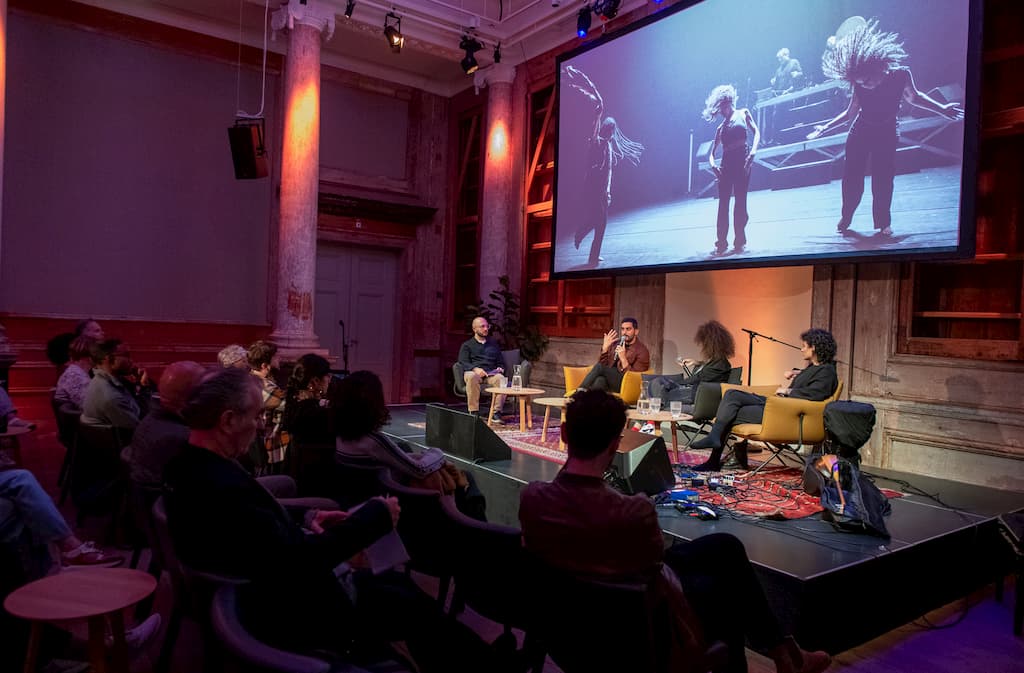
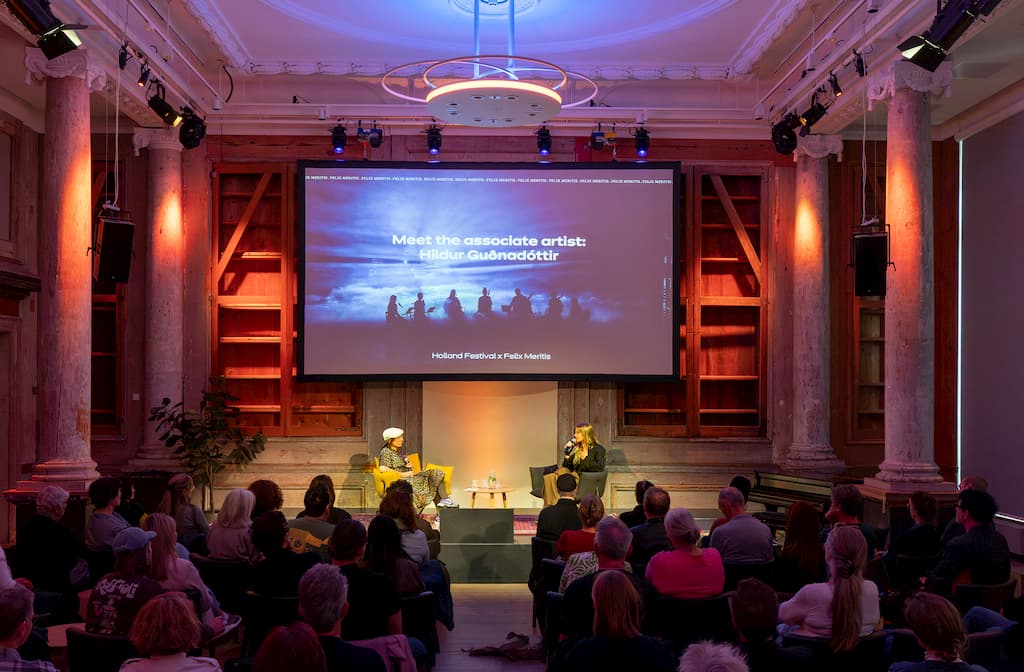
So Guðnadóttir used her position as associate artist of Holland Festival 2026 to promote her ideas about listening: a radical kind of listening that is unbiased and unconditional. She did so during, before and after concerts, in conversations with conservatory students, and at the Meet the Associate Artist session at Felix Meritis. The performance of her composition Where to From was preceded by a Deep Listening workshop, based on the methodology of Pauline Oliveros. This approach goes far beyond everyday listening, when we tend to use only half an ear while remaining focused on our own interests. Deep Listening allows for genuine understanding — of others' experiences as well as our own.


"Listening plays a major role in developing empathy, and that's something the world badly needs right now," says Guðnadóttir. She emphasises the positive potential of paying attention to others. Listening, to her, is a form of love — but you have to actively open yourself up to it and make the effort. After the ringtone incident, Guðnadóttir invited the audience to do just that during the performance of Silver Streetcar for the Orchestra by Alvin Lucier, a composer she deeply admires. The piece, a solo for triangle — an instrument often treated with a certain condescension — revealed a surprisingly rich sonic spectrum as triangle player Sam Slater let its silvery tones float, vibrate and bend during his seven minutes in the spotlight.

The Transformative Power of Music

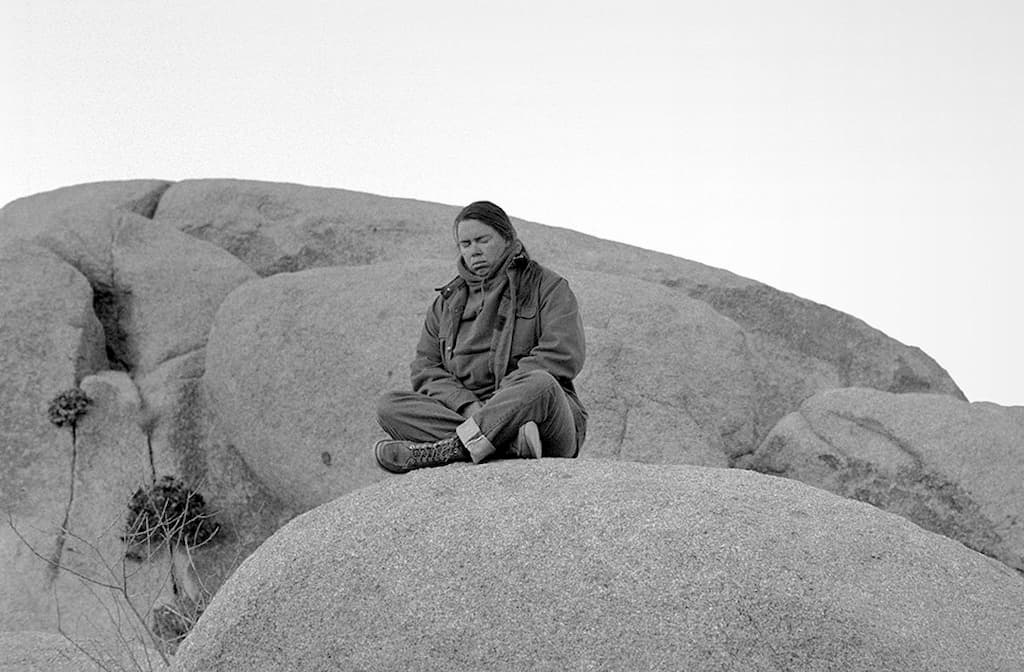
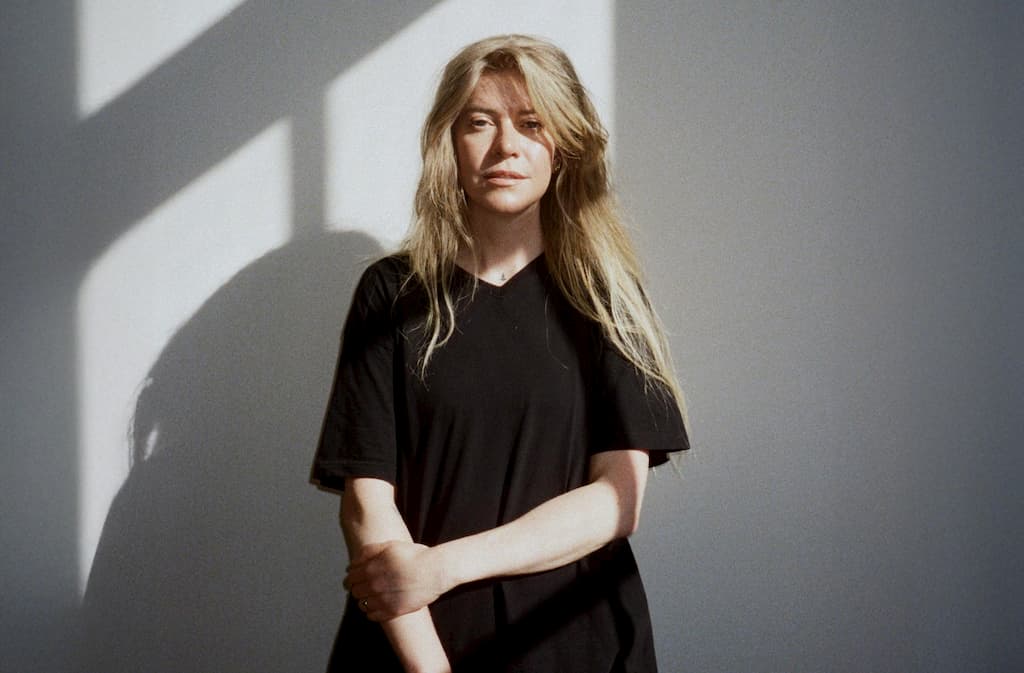
"Music moves us," says Hildur Guðnadóttir, associate artist of Holland Festival 2026. "It can transform the space we're in and shape our mood. Music can transform who we are." This faith in the power of music informs all Guðnadóttir’s work as a composer, cellist and singer. Her artistic range is exceptionally broad: she writes for orchestras and ensembles, while also working at the intersection of experimental pop and contemporary work for classical instruments.


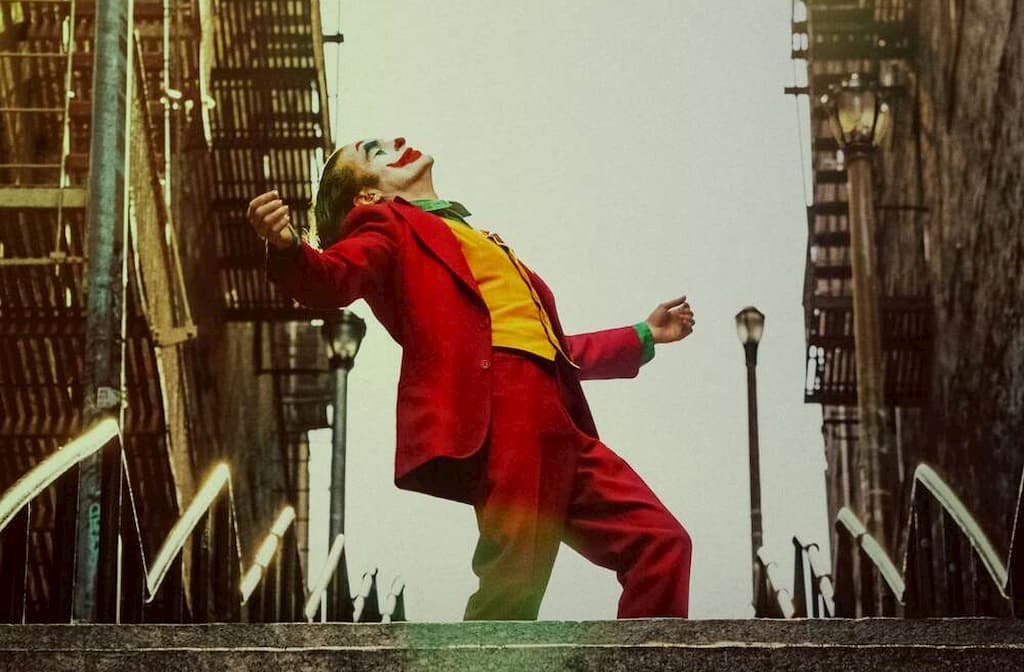
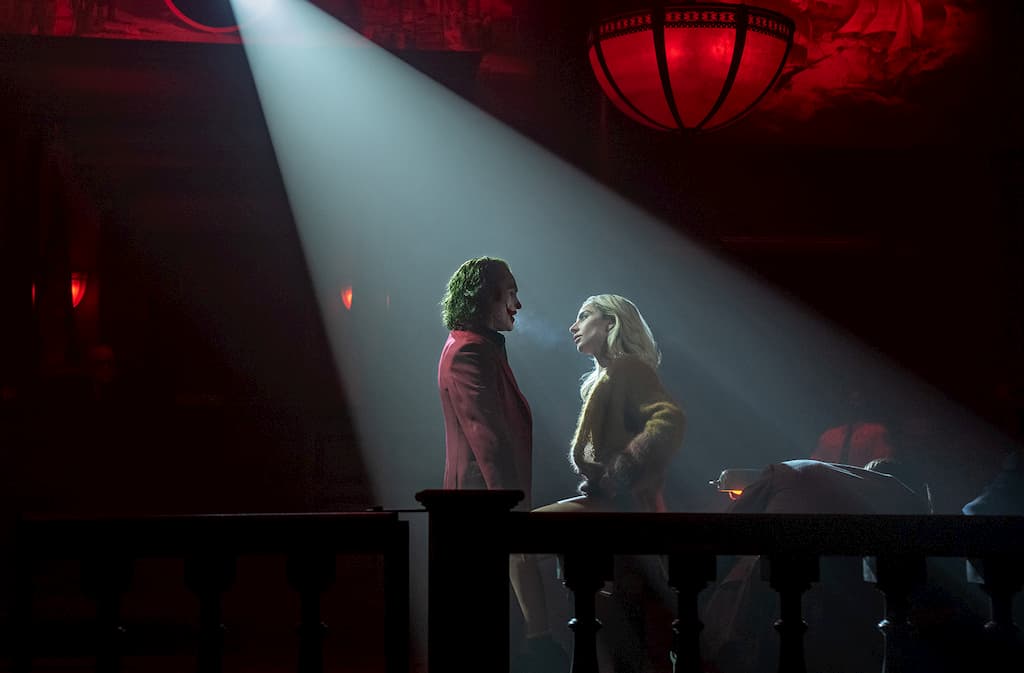
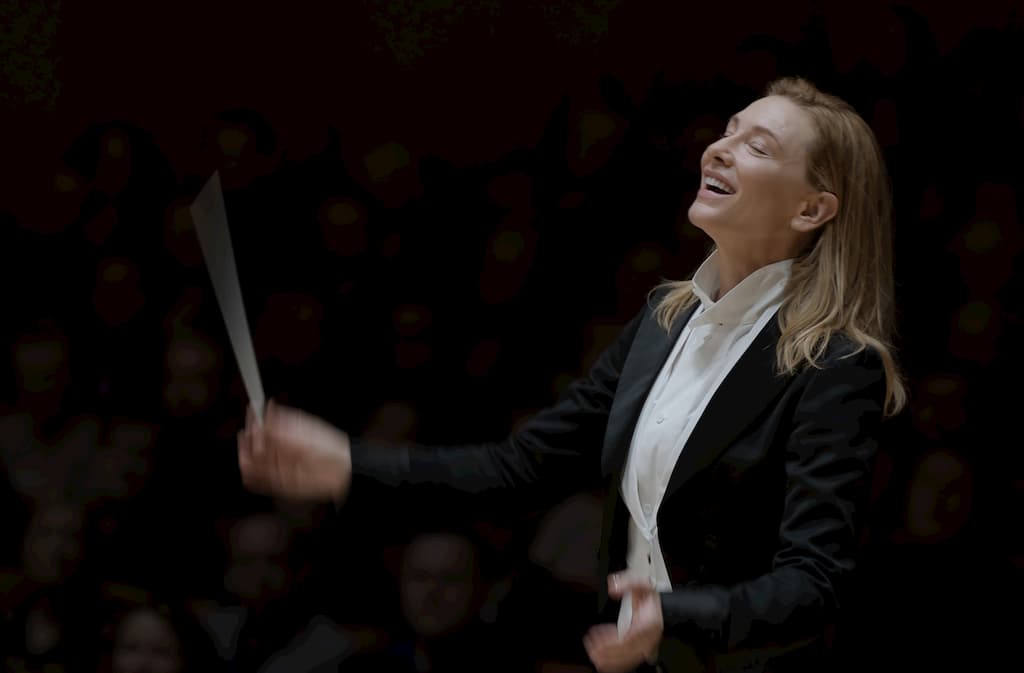
Guðnadóttir also composed the scores for Joker (2019) and Tár (2022), which were screened at Filmmuseum Eye as part of Hildur's Movie Picks. At the Gashouder in the Westergasfabriek, the musical material from the HBO series Chernobyl was performed live, while on 21 June, under the trees of nearby Westerpark, conservatory students performed Passing Remark.


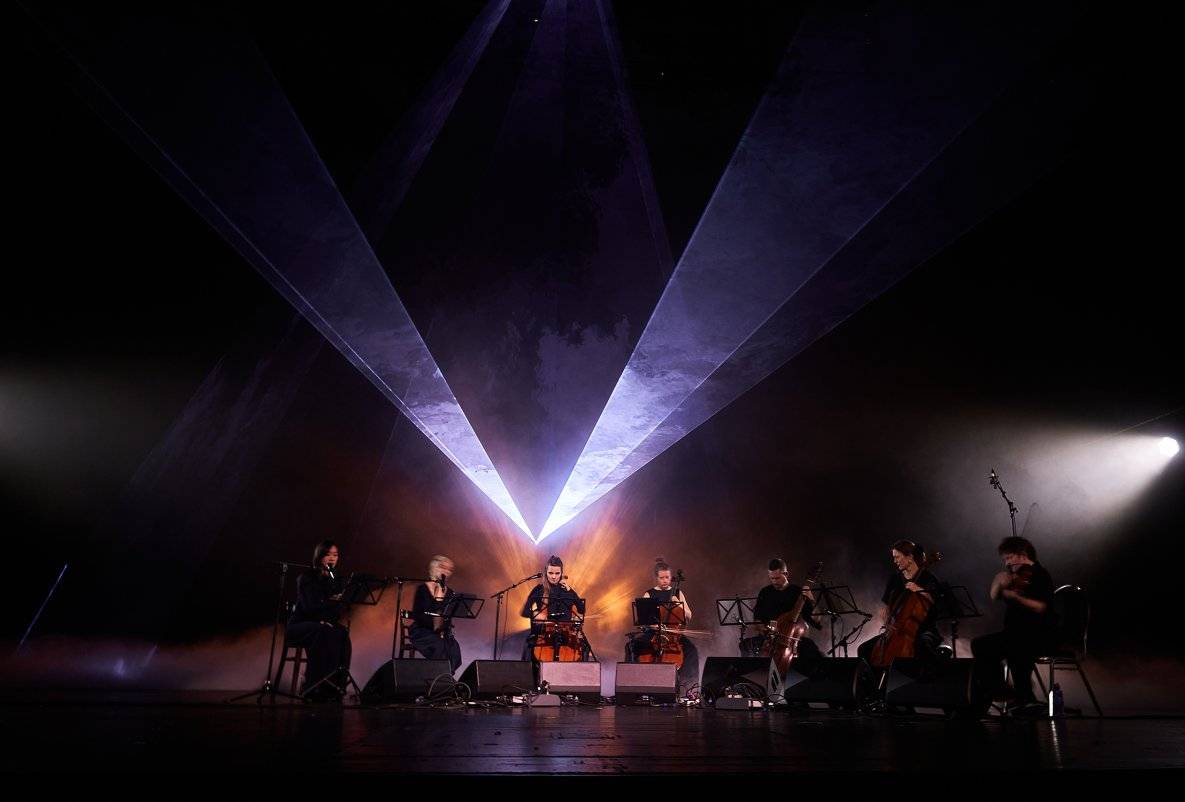
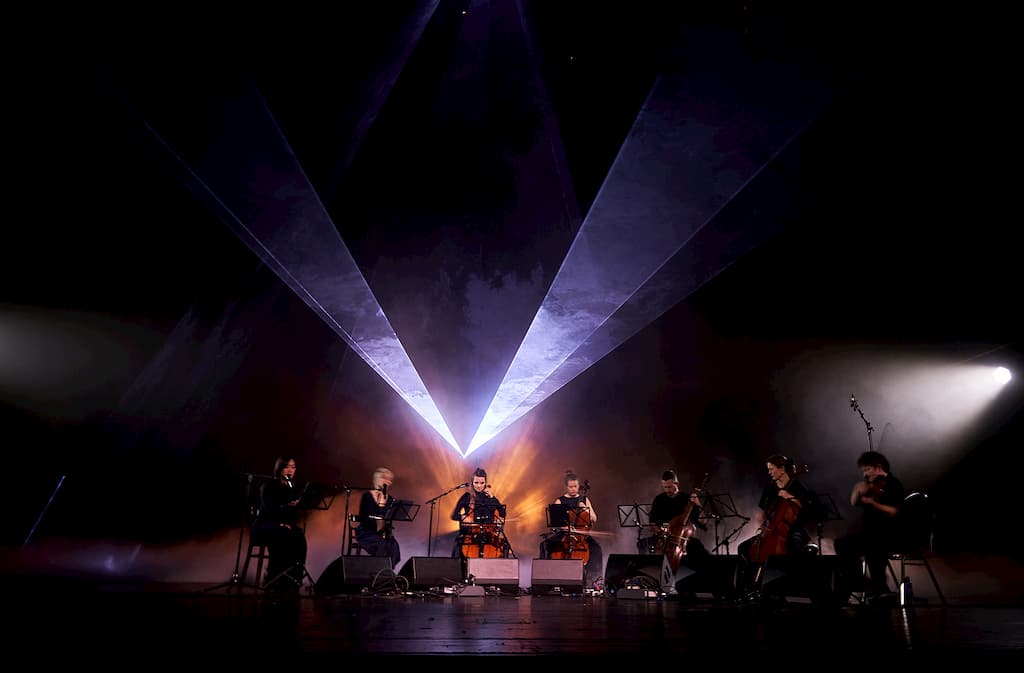
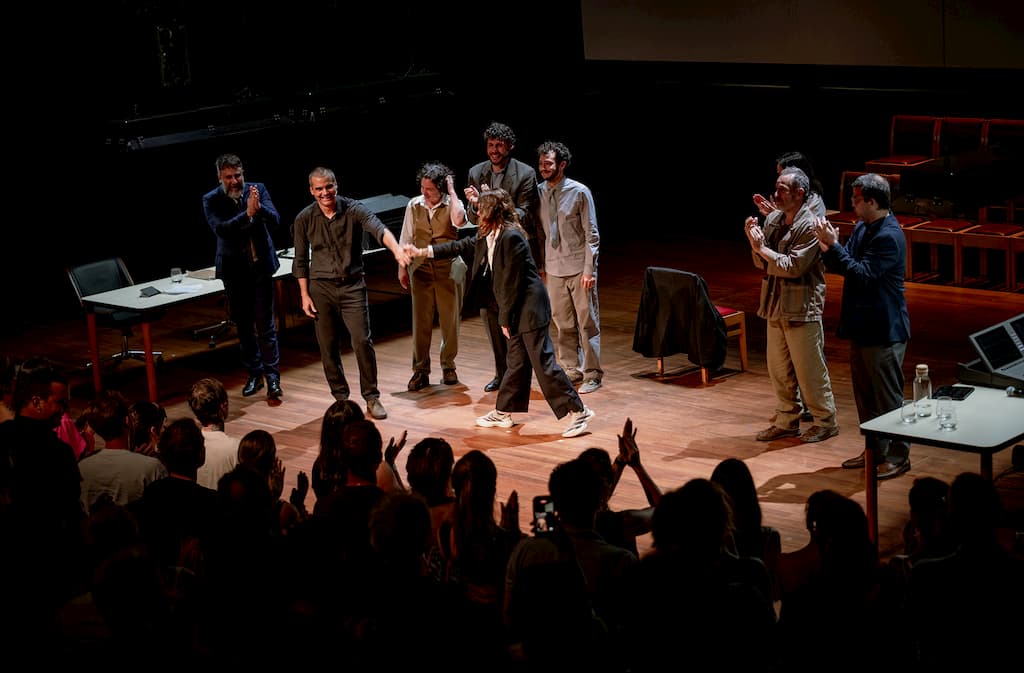
Guðnadóttir, who does not normally teach, reserved a great deal of time for conversations with the performing students. She also spoke extensively with teenagers, twenty- and thirty-somethings throughout the festival about field recordings, diary fragments and the realities of life as a musician. For audiences, this approach came through most clearly in Where to From, Guðnadóttir's final and most personal performance of the festival. She shared the stage with friends for whom she had written custom-tailored parts. As with the Chernobyl performance, the music was accompanied by a lighting design by Theresa Baumgartner.
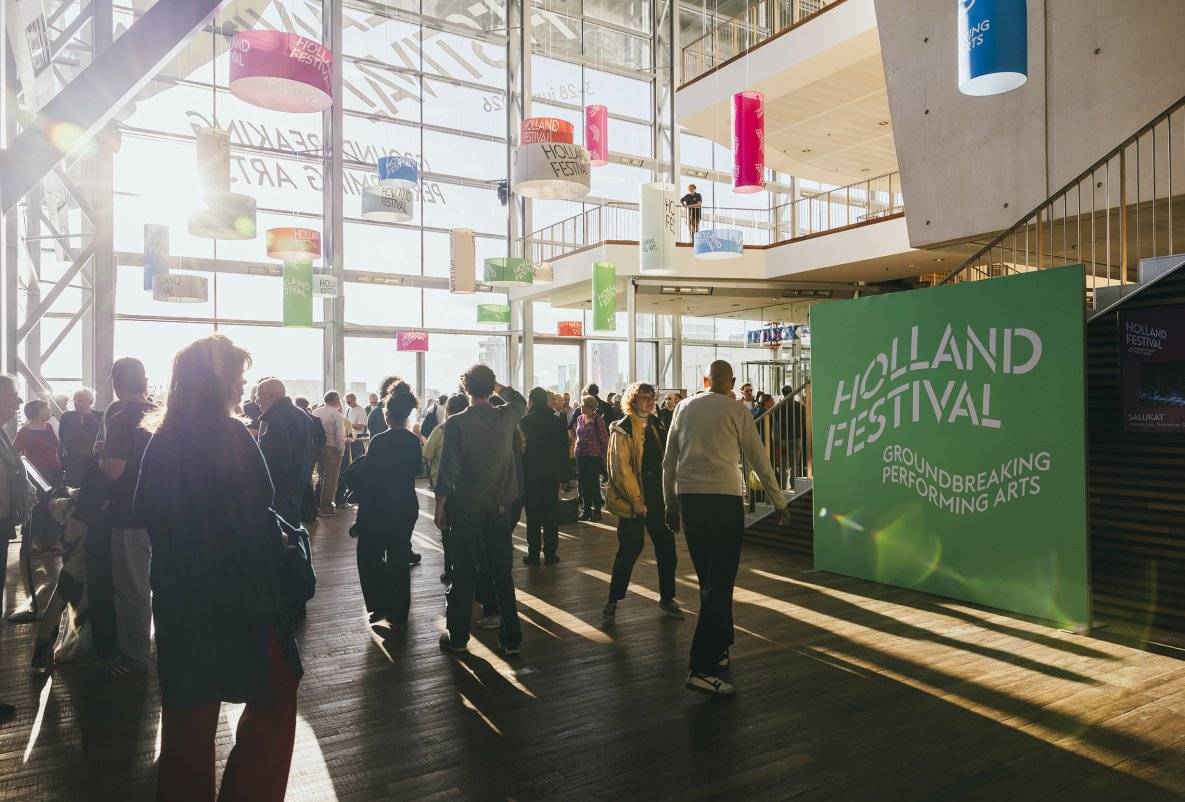
Chernobyl 

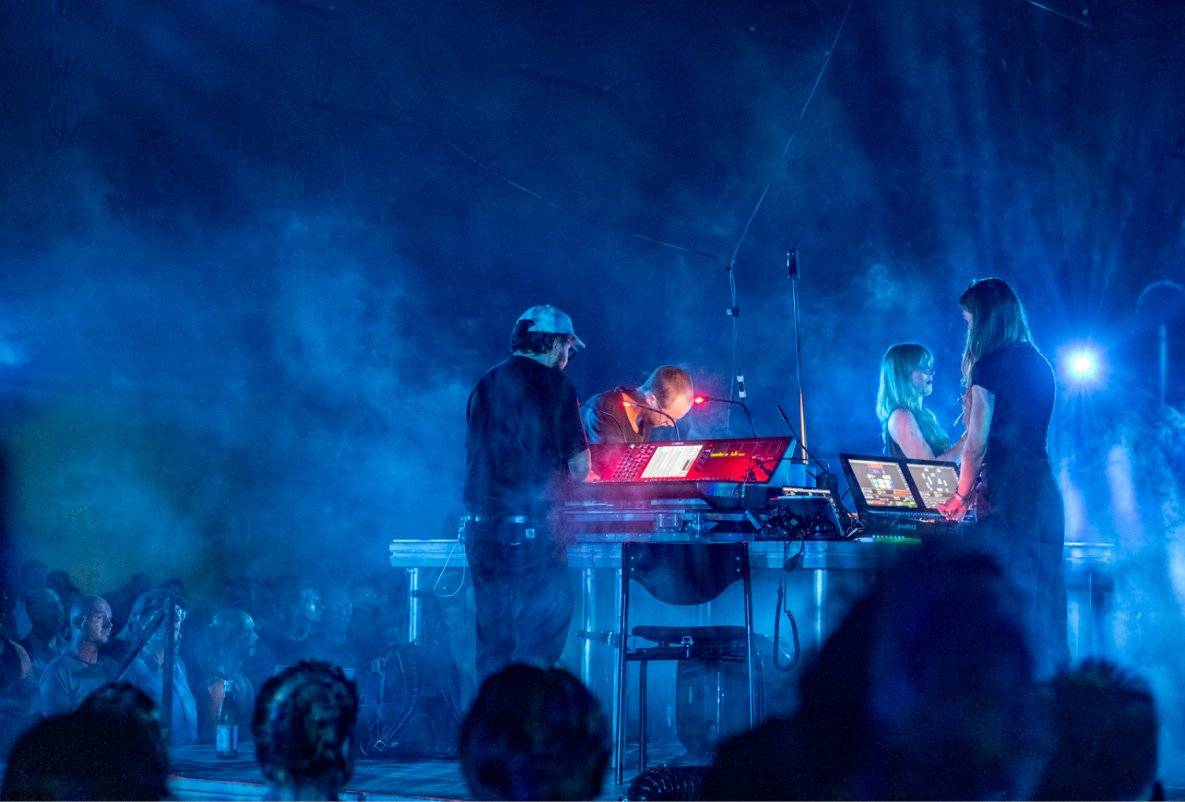
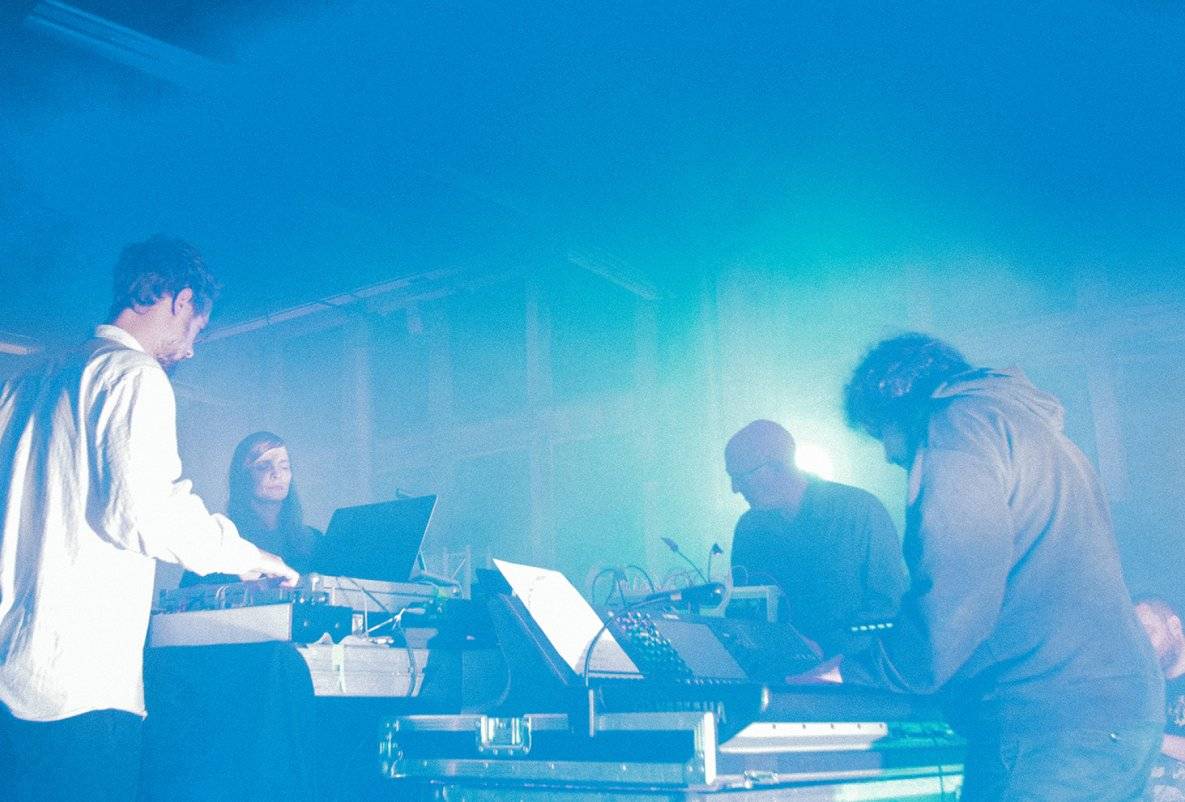
The soundtrack of Chernobyl can be heard as the echo of a nuclear disaster. When Hildur Guðnadóttir was asked to write the music for HBO's historical drama series, she aimed for a sound as authentic as possible. Dressed in hazmat suits, she and her team visited the decommissioned nuclear power plant in Lithuania where most of the series was filmed. She recorded audio in the reactor and turbine shafts, capturing squeaking doors and humming equipment. From these raw materials, she composed a soundtrack. For the Holland Festival, she combined these industrial sounds with live music, preceded by a performance from the Groot Omroepkoor. The largely stripped, pre-renovation interior of the Gashouder at the Westergasterrein proved the ideal setting for the ominous whole. Many visitors were instantly transported back to 26 April 1986, when the worst nuclear disaster in history occurred.

Sound Relay in the Park

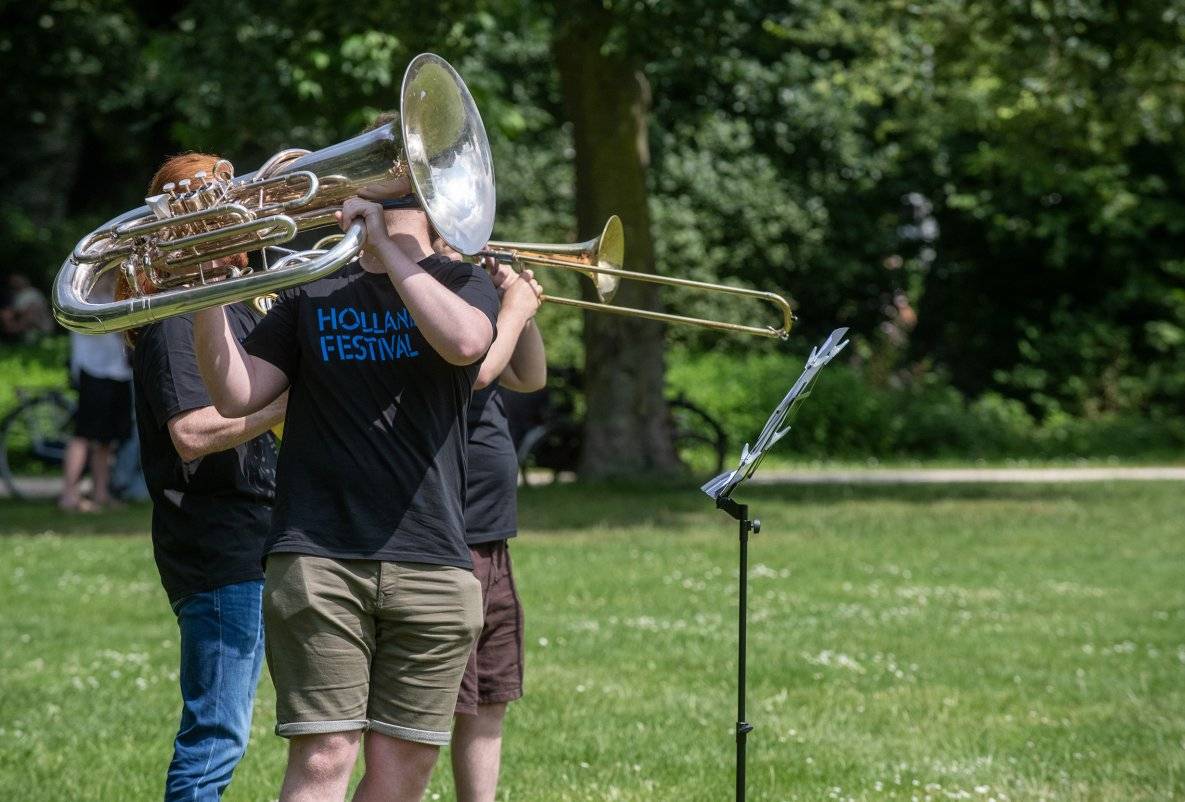
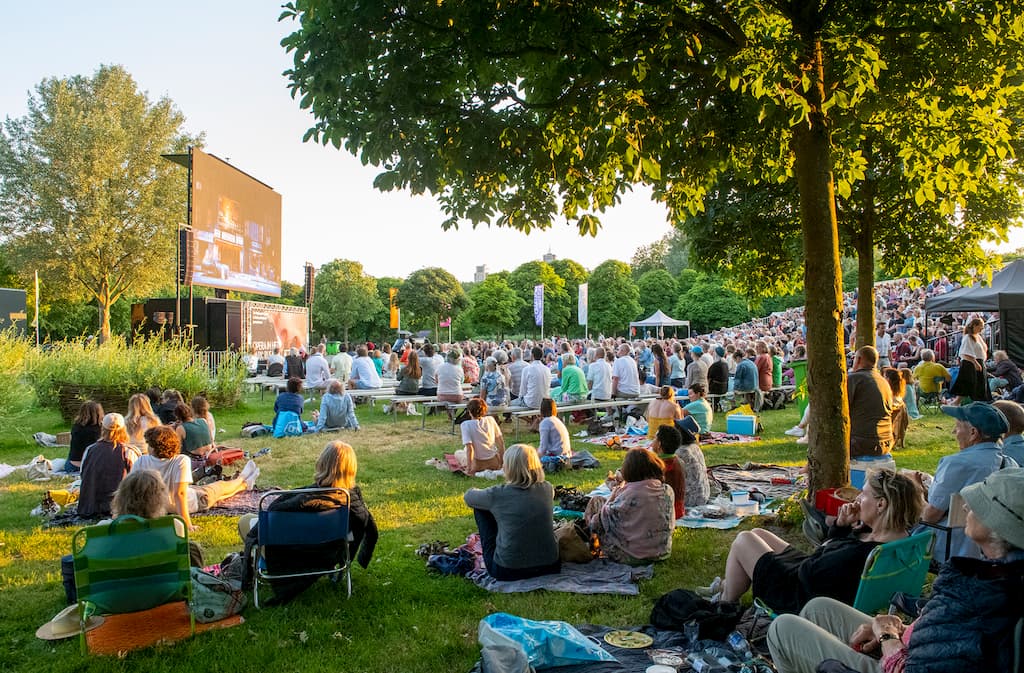
"Try to play as comfortably as possible," associate artist Hildur Guðnadóttir instructed the conservatory students performing her experimental composition Passing Remark on 21 June in Westerpark. It did not entirely dispel the nervous anticipation. No one knew quite how this "sound relay" — with small groups of musicians each playing a single note, listening for other groups to play theirs before taking their own turn again — would play out.


"Since we couldn't rehearse for this, I mostly thought and talked about it a lot," said Mathis Lenormand, a French second-year student at the Amsterdam Conservatory. "In our training, we mainly learn to listen to ourselves. But the art of listening to others is something else entirely."


According to Marijn Simon — also a trombonist like Lenormand, and a second-year student at Codarts Rotterdam — brass players are used to listening, but on a different level than what is required in Passing Remark. "In an orchestra, you have to fit your instrument into the whole so that the sounds blend. But that happens somewhat unconsciously — it's more implicit. What I also like about this piece is that Hildur brings out the beauty of brass instruments. They're often stereotypically loud, a bit clumsy, but with her they become soft and very intimate."


The trombones of Lenormand and Simon were joined on the grass by horns, tubas and trumpets. In groups of three or four, they responded to their colleagues further away. In utmost concentration, they tried to gauge what stage each note was at. The splashing of fountains mixed in, along with the rumble of a passing motorcycle and the clatter of a freight train.


"It was a rollercoaster, so much was happening at once," Simon said afterwards. "Only halfway through did everything click into place. At one point I heard a low note to my right that was repeated further down. Something beautiful emerged there."


"The start really was a bit unstable," Lenormand agreed. "We were feeling our way toward each other, but at one point the connection was there and I thought: this is it. The extra outdoor sounds were a bit distracting at first, but that faded once I allowed myself to truly play together with the others."


That adaptability is precisely what Guðnadóttir found most interesting about the piece. "Losing your way is part of life, and part of this, too. How you get back up matters more than how you stumble. It's not about the notes, but about the social aspect of the performance."


In the City, With the City

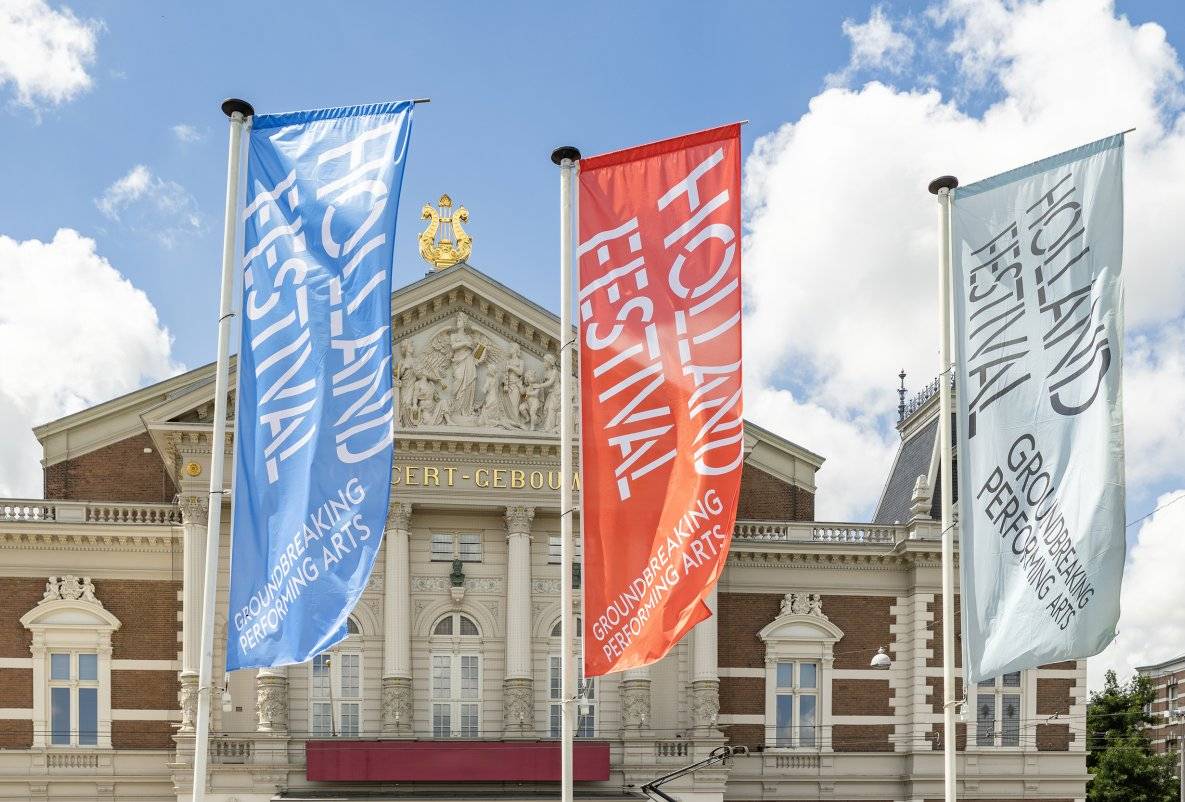
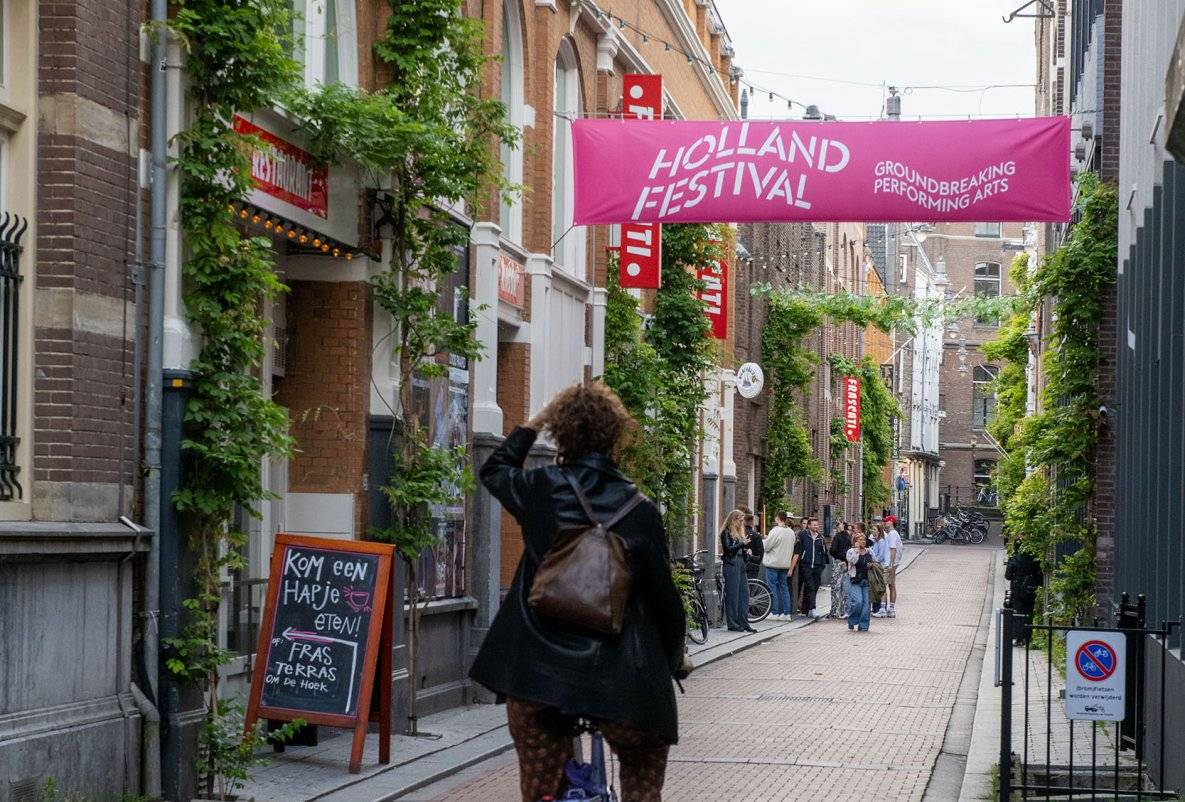
With the musical walk that preceded City of Floating Sounds, the Holland Festival immediately made itself felt throughout the city. Banners and posters had been visible for days beforehand, but this was when the festival truly began. The two other outdoor performances — Passing Remark in Westerpark and the screening of Simon Boccanegra in Park Frankendael, cut short by a thunderstorm — made the point equally clear: this festival is part of the city.


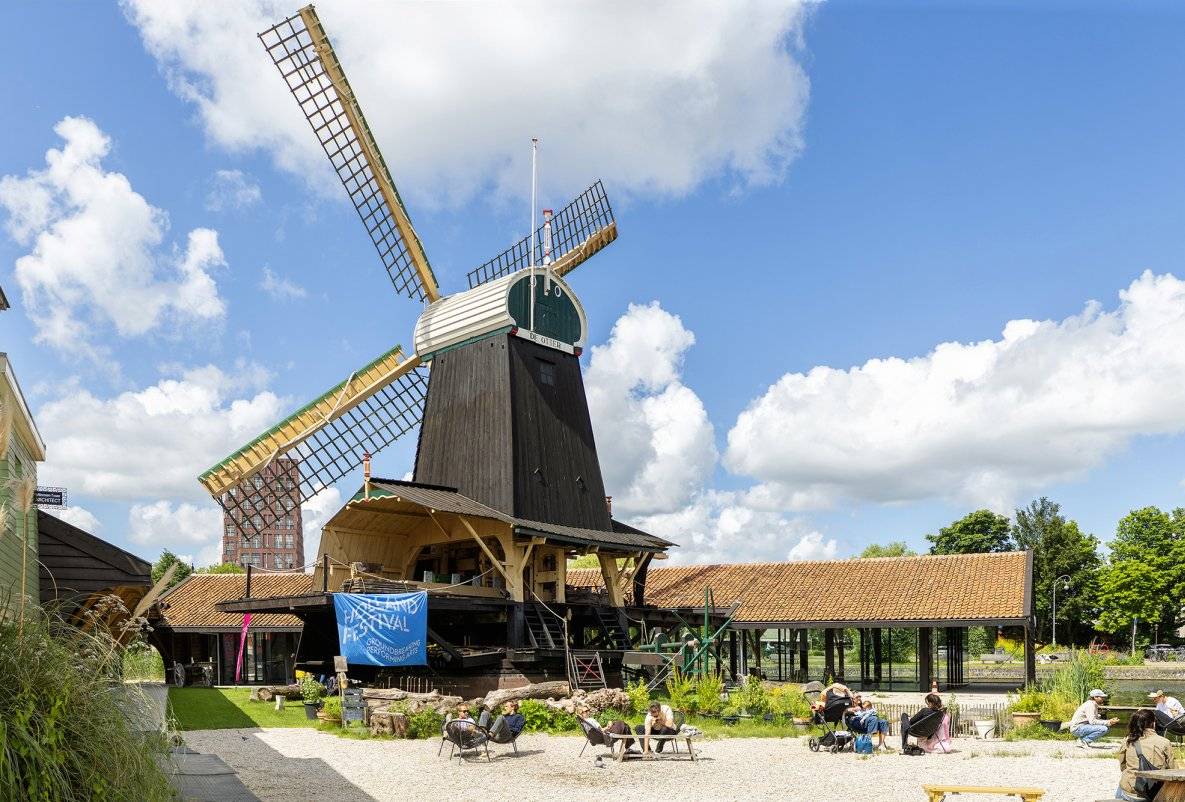
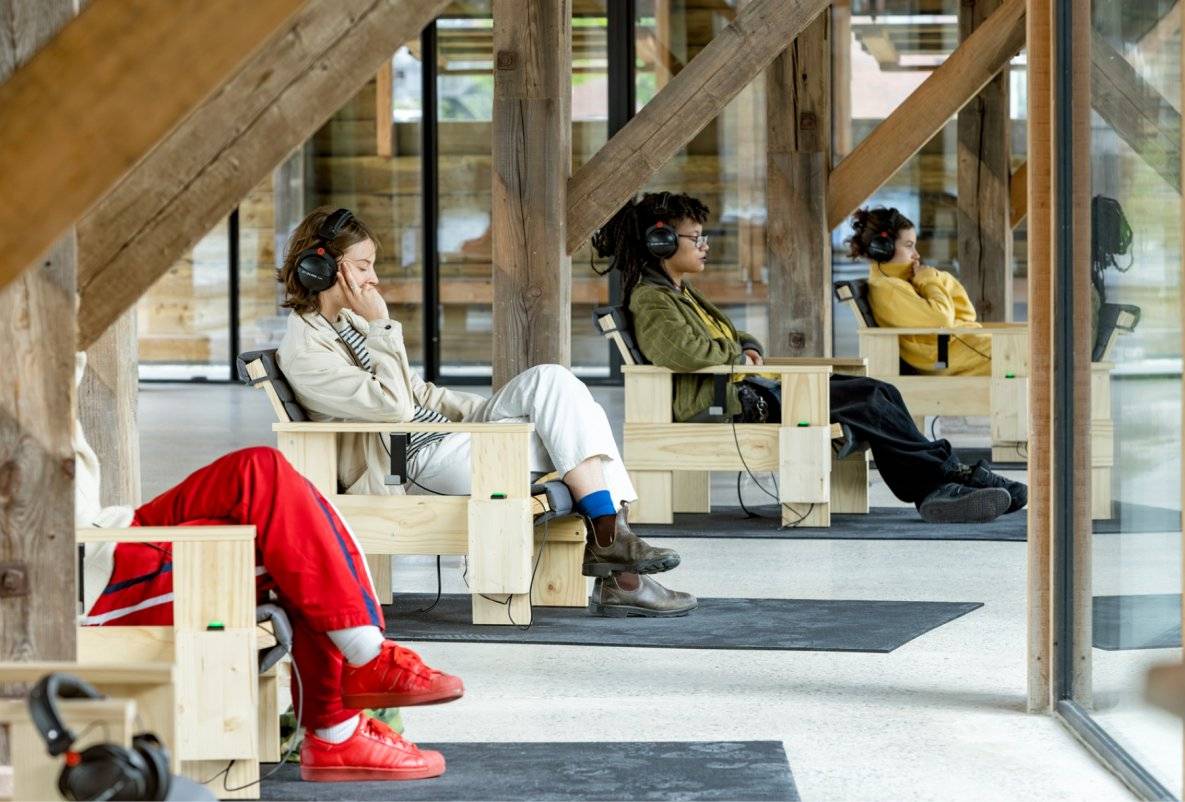
And that city extends beyond the centre and regular venues like Frascati and the Muziekgebouw. The festival terrain stretched from Theater de Meervaart in Osdorp to Hartwig Proxy in the Zuid district and Filmmuseum Eye in Noord. The 23 locations once again included unconventional sites, some entirely new to the Holland Festival, such as the former Bijlmerbajes prison and Club Raum in the Western Harbour. Perhaps the most unusual of all was the 17th-century Molen van West, where Laurie Anderson slipped into visitors' heads through headphones while they gazed out at boats puttering along the canal and cyclists speeding past on the opposite bank.

A Three-Week Choreography 

After a successful opening night, the first festival weekend kicked off with a bang. At the Bijlmerbajes, choreographer-musician Blackhaine delivered an overwhelming performance with And Now I Know What Love Is, met with speechless, open-mouthed audiences and tear-streaked faces. Joy was the driving force behind Ana Pi's Atomic Joy, in which various dance styles from the urban scene fused into an energetic whole. Inuit vocal artist Tanya Tagaq sang of Arctic life in Split Tooth: Saputjiji.


In the second and third festival weekends, the full breadth of the programme unfolded, from Arabic songs in Sada (Echo) to a "raving" reinterpretation of the Bolero in RAVE-L; from the documentary Sisters with Transistors, about female pioneers of electronic music, to a Brazilian interpretation of an Ibsen classic in A Trial; from the exquisite Renaissance music sung by forty voices in Spem in Alium to the spectacular choreography of Mirage, in which Damien Jalet let sixteen dancers shine; from the humorous take on Bertolt Brecht's play Baal in Brecht's First Play to the protest songs of Voices. Juggle & Hide recounted recent Thai political history using hundreds of everyday objects, from toy soldiers to an alarm clock.


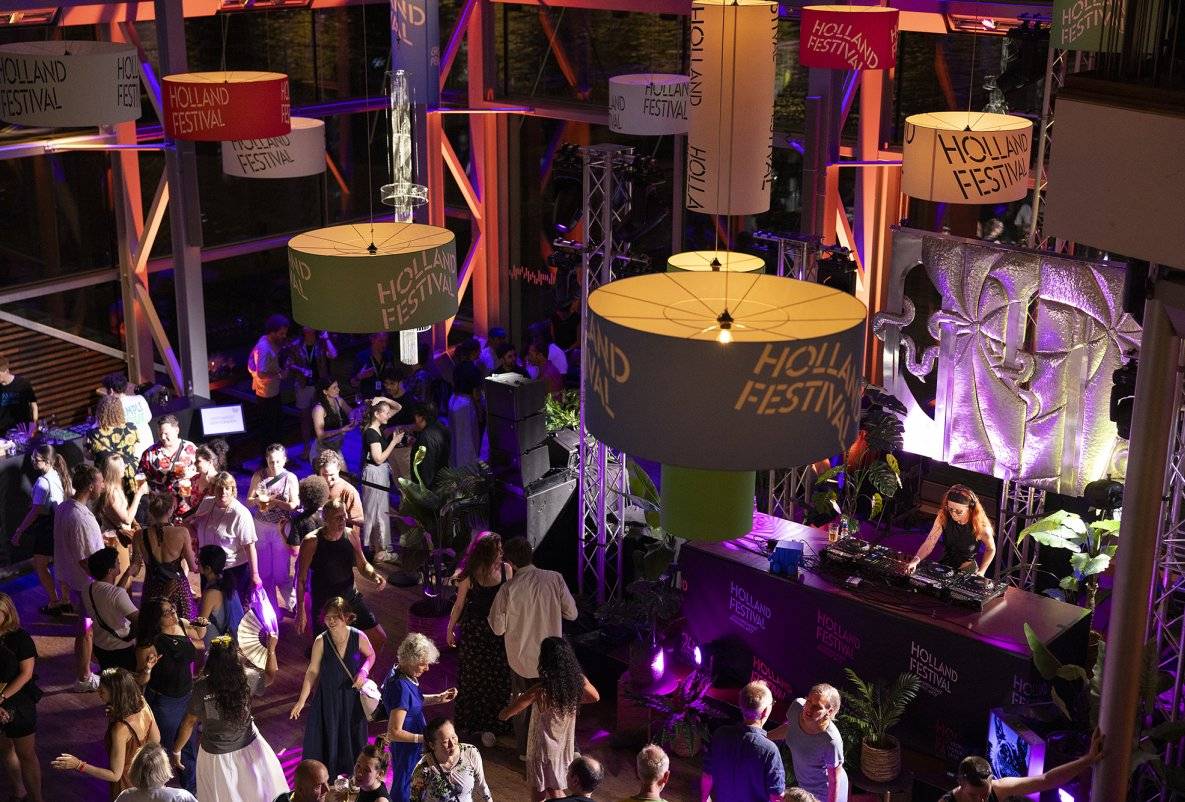
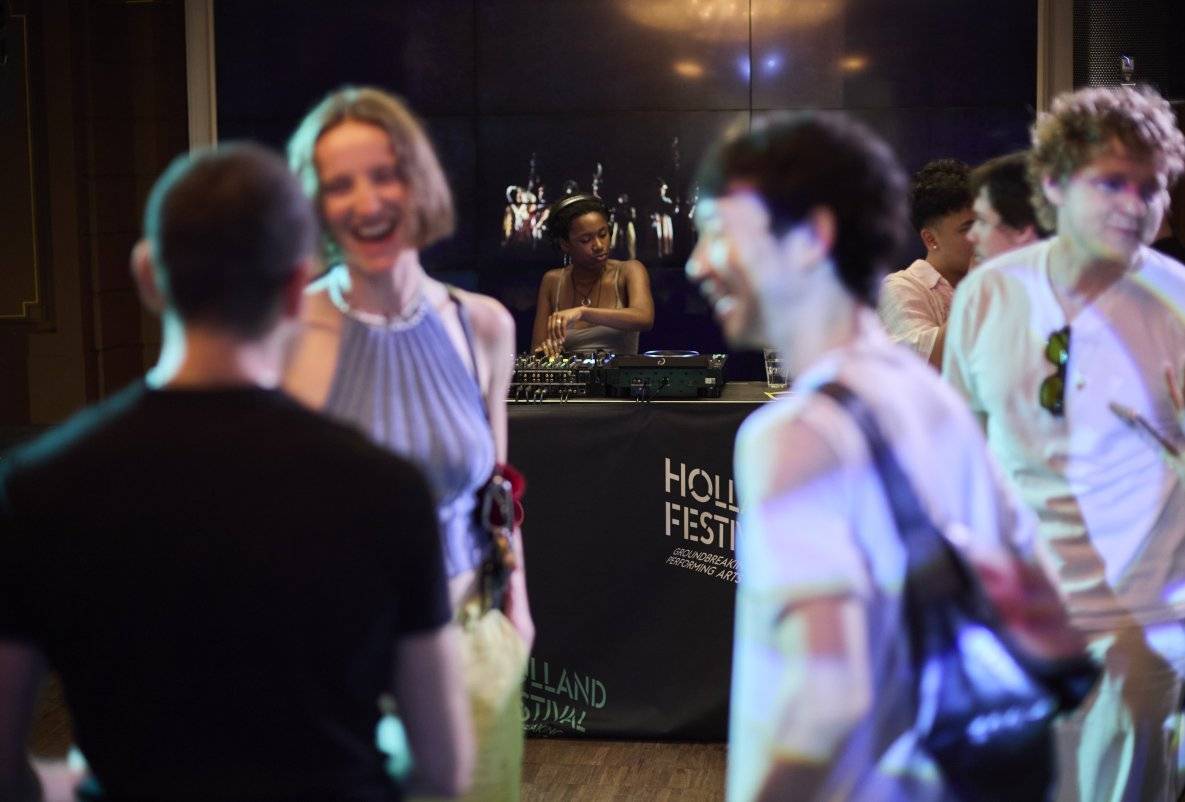
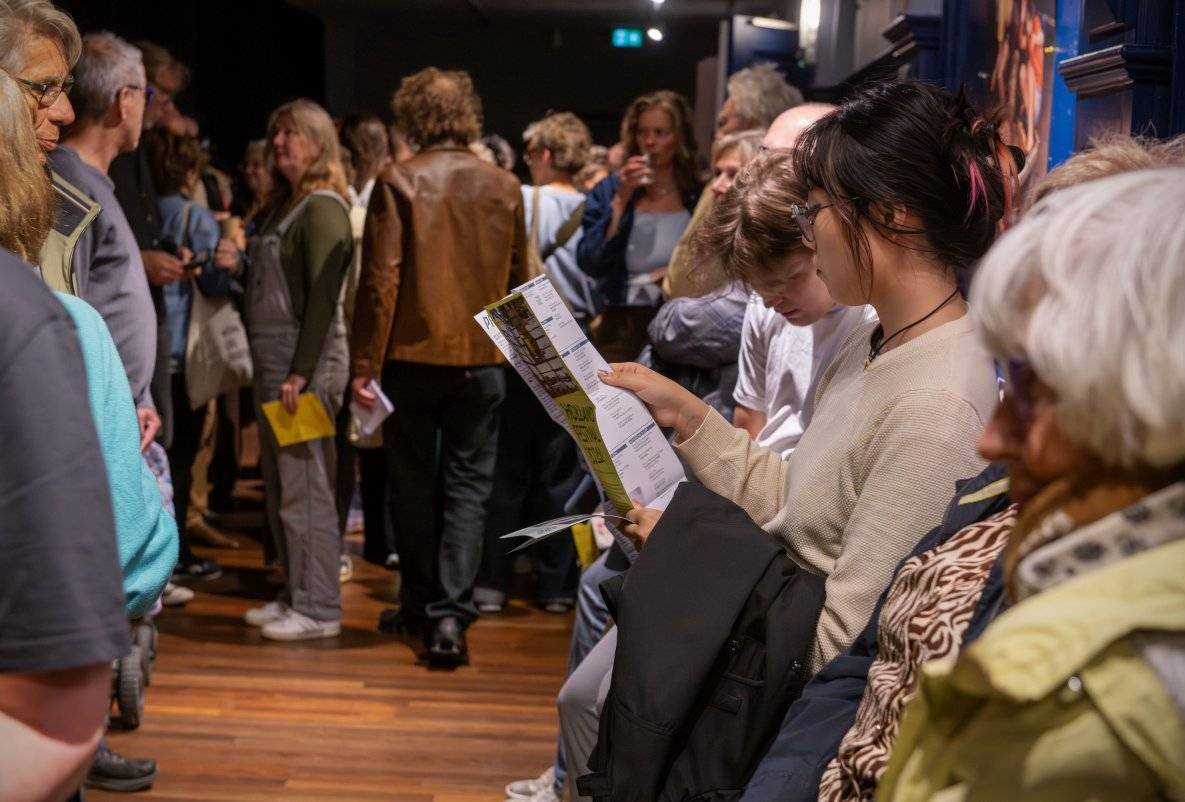
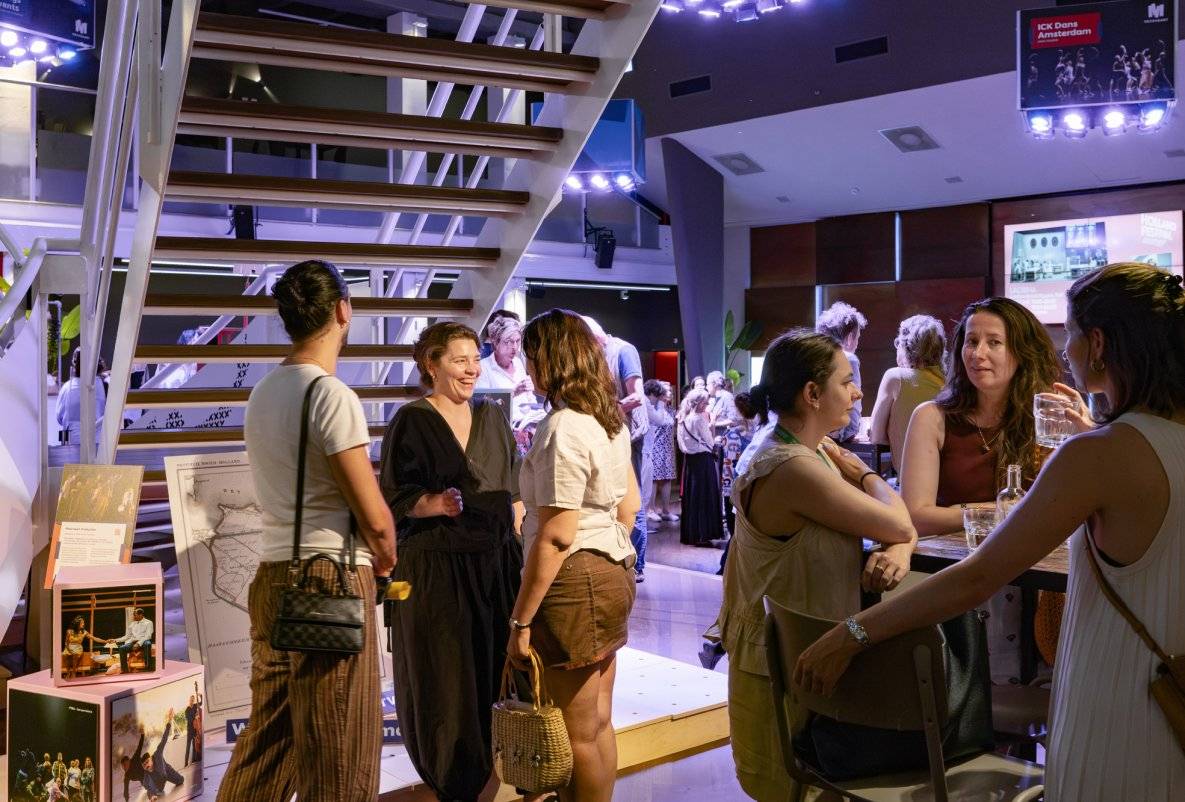
Especially on weekends, the programme was arranged to allow visitors to attend several performances in a single day, with a carefully considered arc and plenty of time to eat in between or discuss what they had seen over drinks. A day could begin with the installations of Laurie Anderson and Ragnar Kjartansson sharpening the senses, before moving on to a matinee performance, then attending an in-depth Meet the Artist talk, and rounding things off with an evening performance. For the truly dedicated, there were club nights or afterparties to complete the full festival experience.

A Trial - after An Enemy of the People 

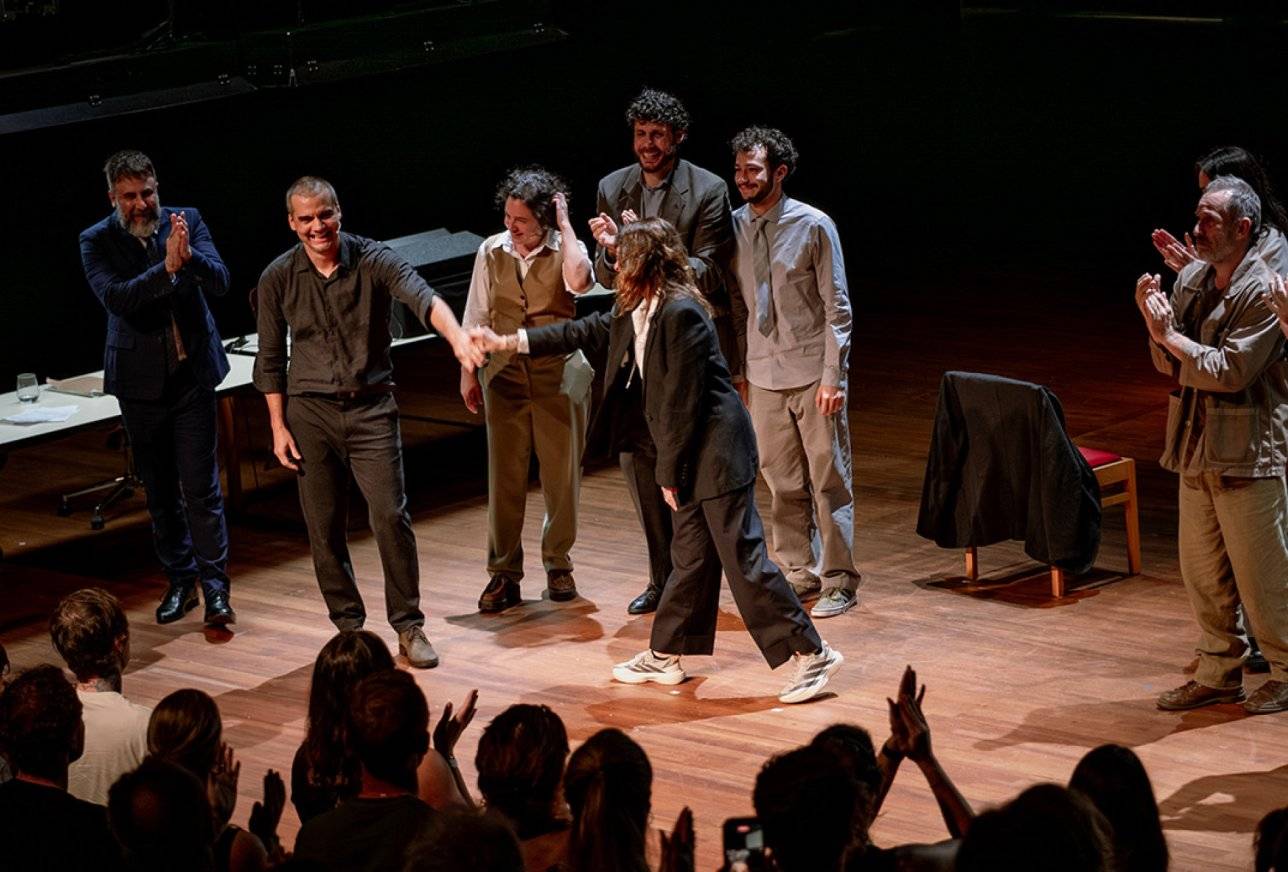
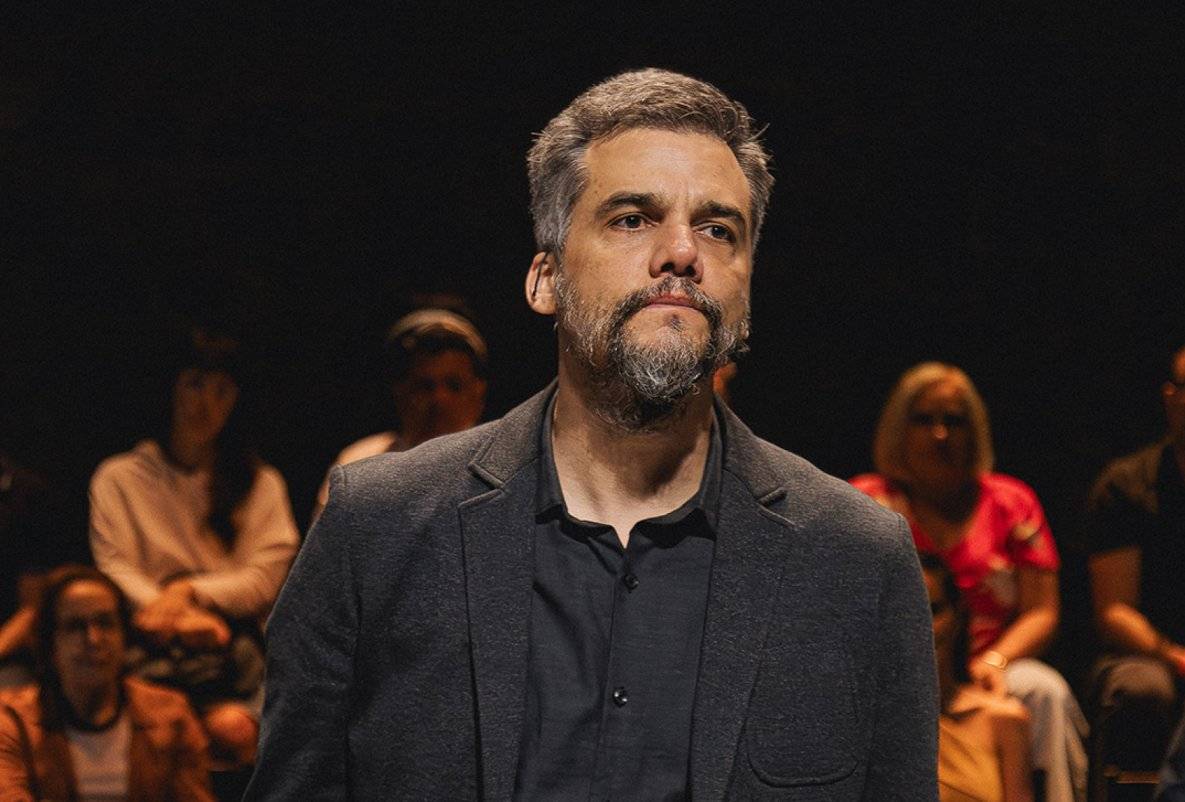
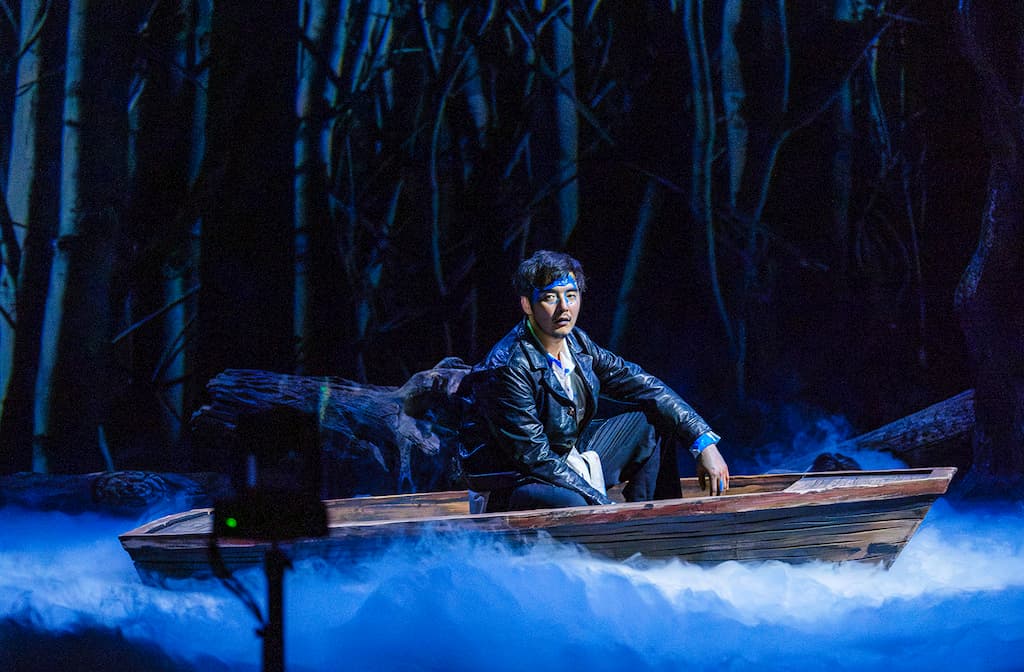
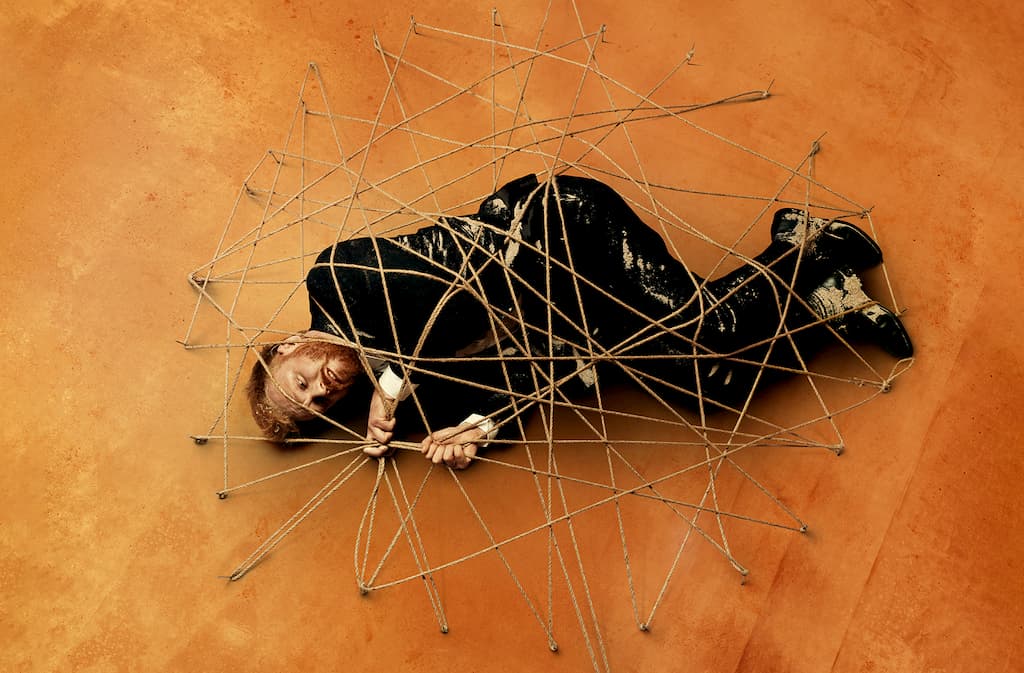
It is remarkable how relevant the work of Henrik Ibsen (1828–1906) remains. In A Trial, the contemporary adaptation by Christiane Jatahy and Wagner Moura of An Enemy of the People, Golden Globe winner Moura plays a doctor who discovers that the water at the spa town where he works is seriously contaminated. When he wants to go public with the news to have the springs shut down, he finds himself pitted against his own brother, the town's mayor, who champions the town's economic interests. Tempers run so high that the doctor is branded an "enemy of the people," an accusation he contests in court. The clash between economics and ethics resonates strongly, as do the references to fake news, disinformation and opportunistic lying. An increasingly pressing question emerges: is the majority always right, even when it denies the truth? A jury made up of audience members ultimately had to decide which mattered more, jobs or public health, and who the real enemy of the people was.

The Audience as Participant 

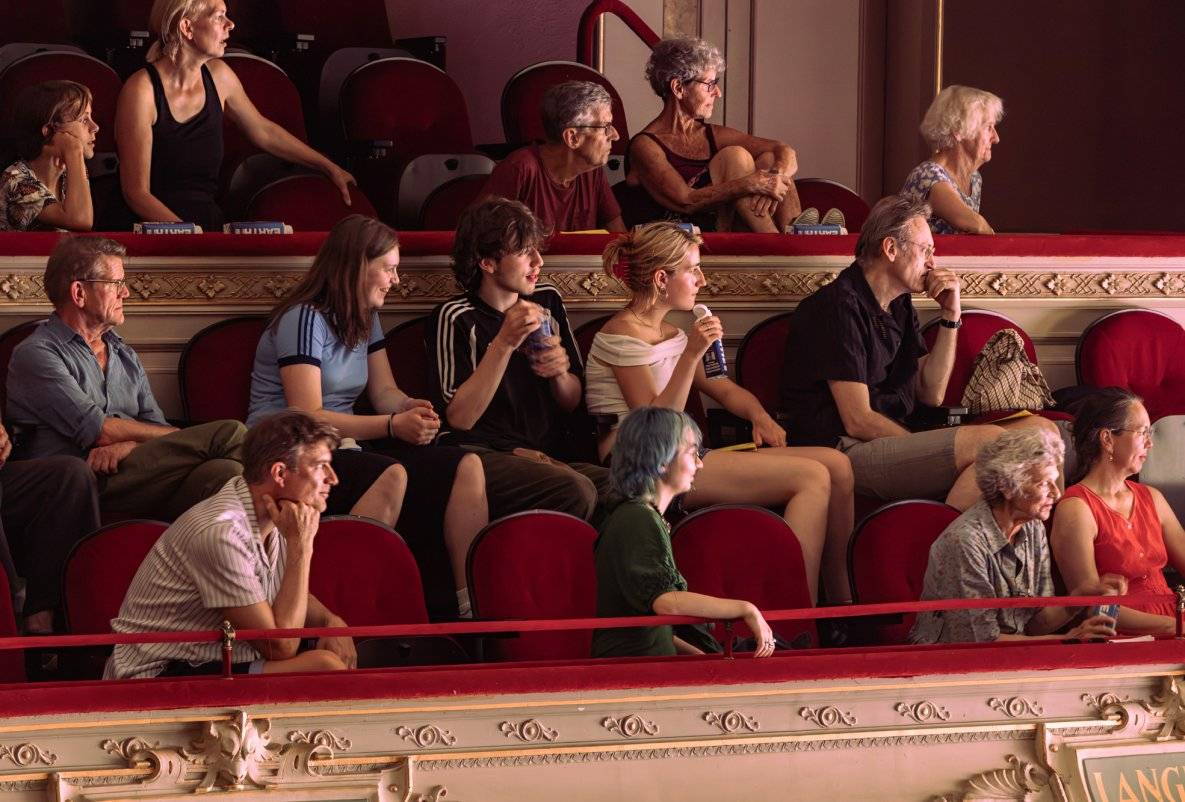
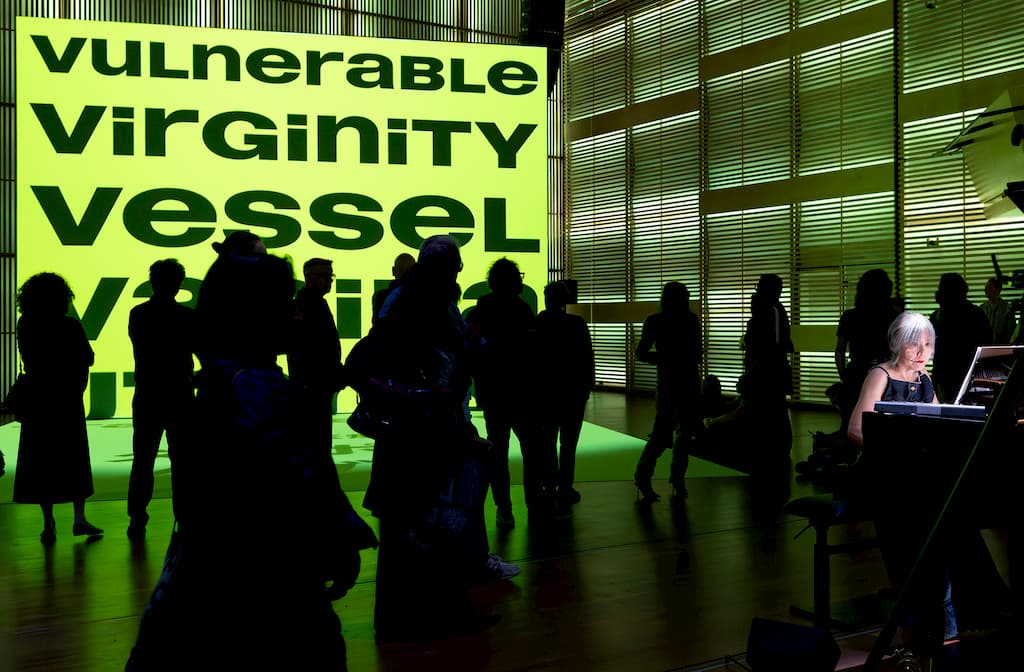
Art is only complete when it is seen and heard; otherwise it remains nothing more than an idea in the artist's mind. This edition of the Holland Festival offered ample opportunity for active looking and listening. Visitors became participants, and in a sense even co-creators.


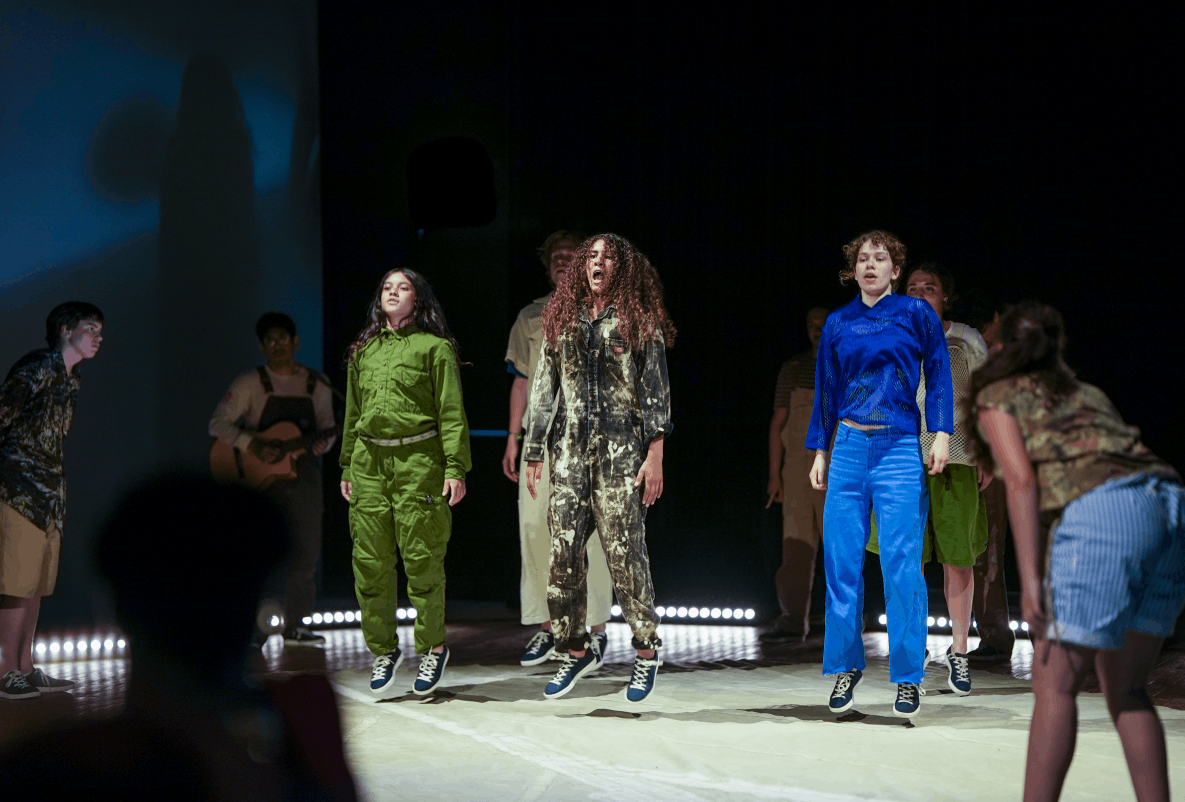
That realisation hit just as hard, about fifteen minutes into And Now I Know What Love Is, as the pulsing bass bouncing through the former Bijlmerbajes prison. Visitors kept shifting position to get a better view of the slow-motion dancers, until they realised: we are part of the choreography! Our uncontrolled movements add another layer to this piece about desperate individuals trying to hold on to and save one another.


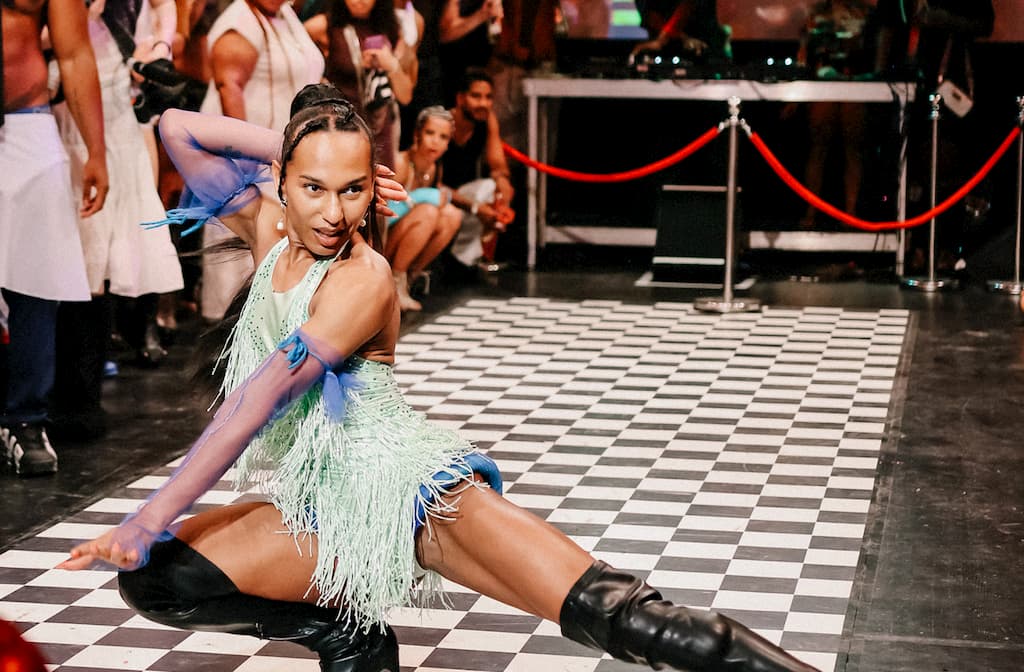
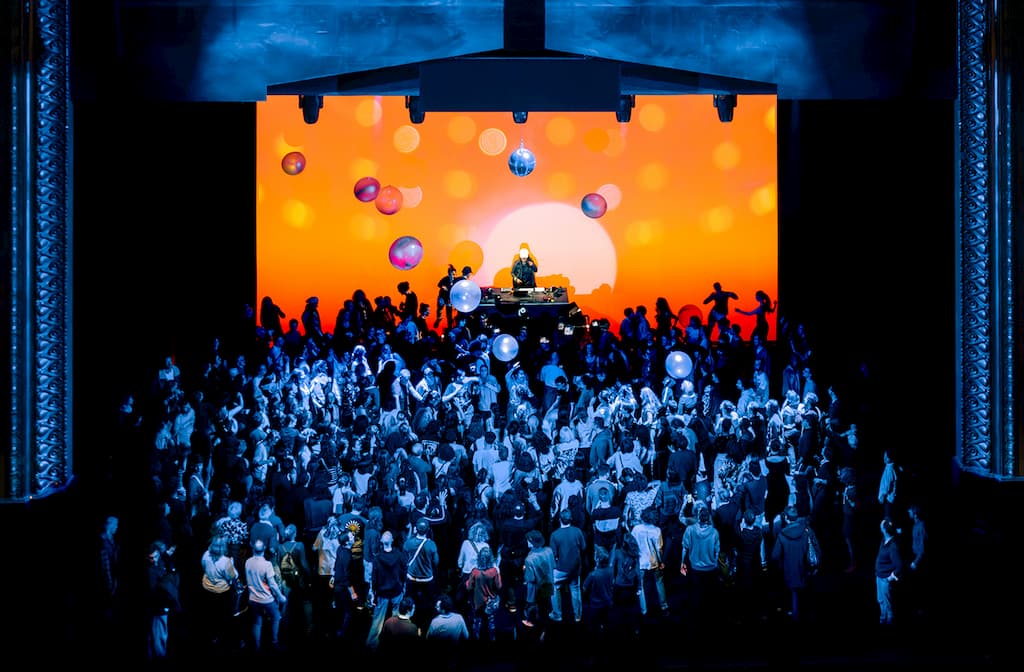
And Now I Know What Love Is was not the only performance to cast visitors in a role beyond passive spectatorship. In Holobiont, a five-hour celebration of queerness, visitors drifted between a DJ booth, a cushioned lounge area and a catwalk. There was no place to withdraw, and at times you were unmistakably in the performers' way. "The good kind of discomfort," as one visitor put it. The eleven people pulled from the audience during A Trial to serve on the jury may well have felt something similar as they took to the stage to judge the case against the protagonist.


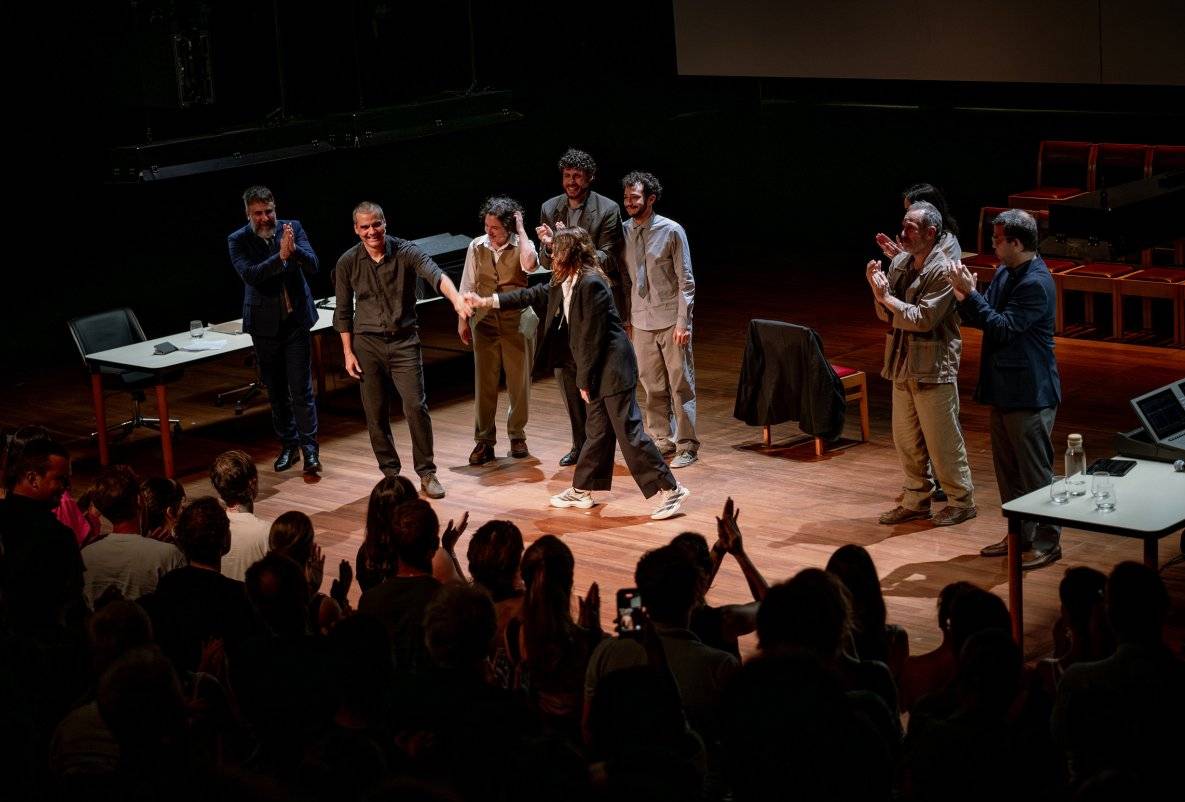
Interaction between artists and audiences also took more conventional forms. At Felix Meritis, questions could be put to Ali Chahrour, director of When I Saw the Sea, who said he looks forward to the day when conversations focus on the artistic content of his work rather than the war in his home country, Lebanon. Introductions provided context for what was to come, and post-show meet-and-greets with artists were sometimes possible, as with Qaqnas, whose blend of Kurdish singing and hardcore avant-garde music elicited both admiration and confusion.


This participatory way of experiencing art demands a certain capacity for empathy. Moreover, artists reflect on the world from perspectives that a Dutch audience may not always immediately grasp. The Holland Festival is all about learning to see through the eyes of others: this is the empathy that associate artist Hildur Guðnadóttir so emphasised and that informed the entire festival.

Public reactions

  • City of Floating Sounds

    'A thunderous opening!! Inspiring and surprising.'

  • A Trial - after An Enemy of the People

    'Wonderful! Everyone thought it was fantastic! An exceptionally good actor.'

  • Honor

    'What an inspiring evening, it is wonderful when a performance stays with you!'

  • Where To From

    'I could completely lose myself in it, almost a kind of heavenly experience.'


    'As if I were standing beneath the northern lights.'

  • Chernobyl

    'It was intense. It was impressive. Very cinematic, without a doubt.'

  • Brecht's First Play

    'A completely different world of experience, a kind of surreal theatrical performance that I continued talking about long afterwards.'

  • Lacrima

    'Lacrima was incredibly beautiful. Highly recommended!'

  • HF Lab x DEGASTEN: JÖRĐ

    'Very surprising, with beautiful discoveries, strong music as well, and a well-considered lighting design. A very enjoyable, short and concise performance that nevertheless resonates and makes you think. Bravo.'

  • When I Saw the Sea

    'I’ll be honest with you... An intense, crazy performance, man! Up close and personal, really cool!'

  • Mirage

    'A truly phenomenal performance! Absolutely fantastic!'


    'I thought it was super fun! And wow, that is a show you will not forget quickly!'

Slaughtering Images

The title of Bilderschlachten — widely regarded as one of the absolute highlights of Holland Festival 2026 — can be read in two ways. It may refer to the slaughtering of images: rendering harmless the flood of visual information that threatens to engulf us in daily life. Or it may be the images themselves that go on a rampage, piling on more and more until a point of sensory overload. Both interpretations apply to Stephanie Thiersch's choreography, set to music by Brigitta Muntendorf and Bernd Alois Zimmermann.


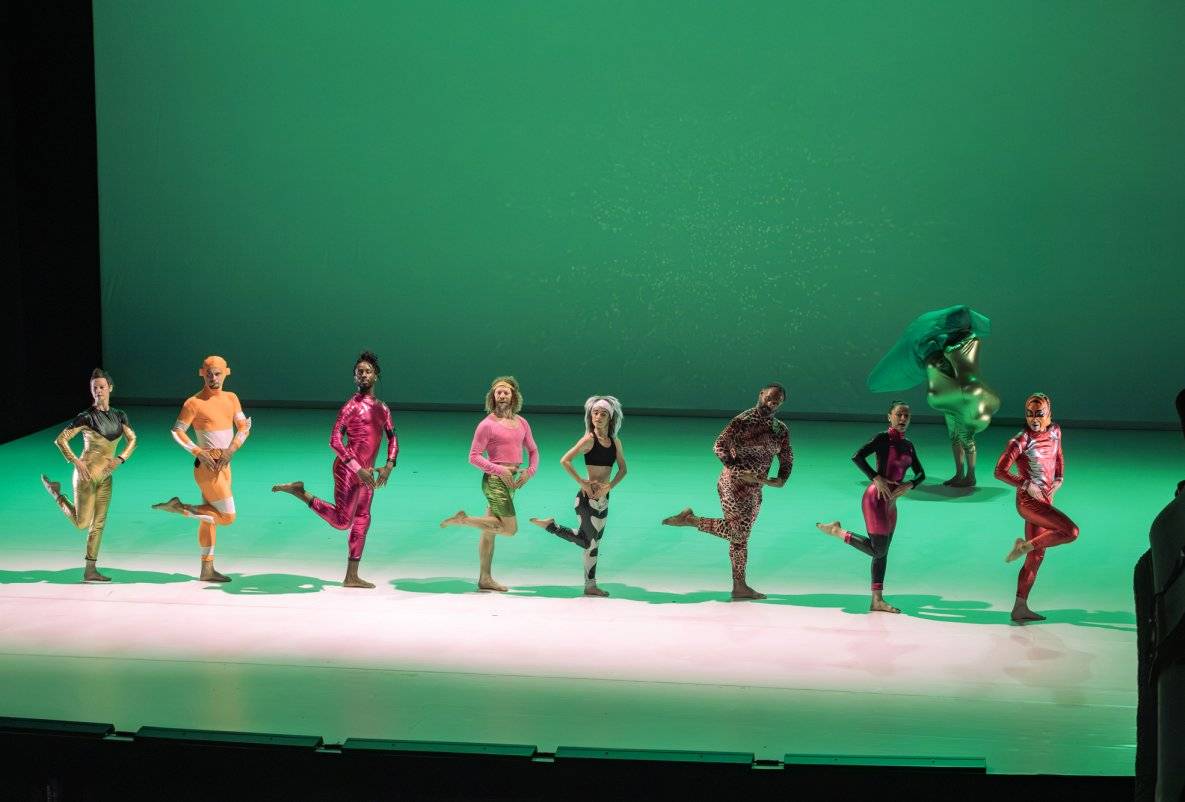
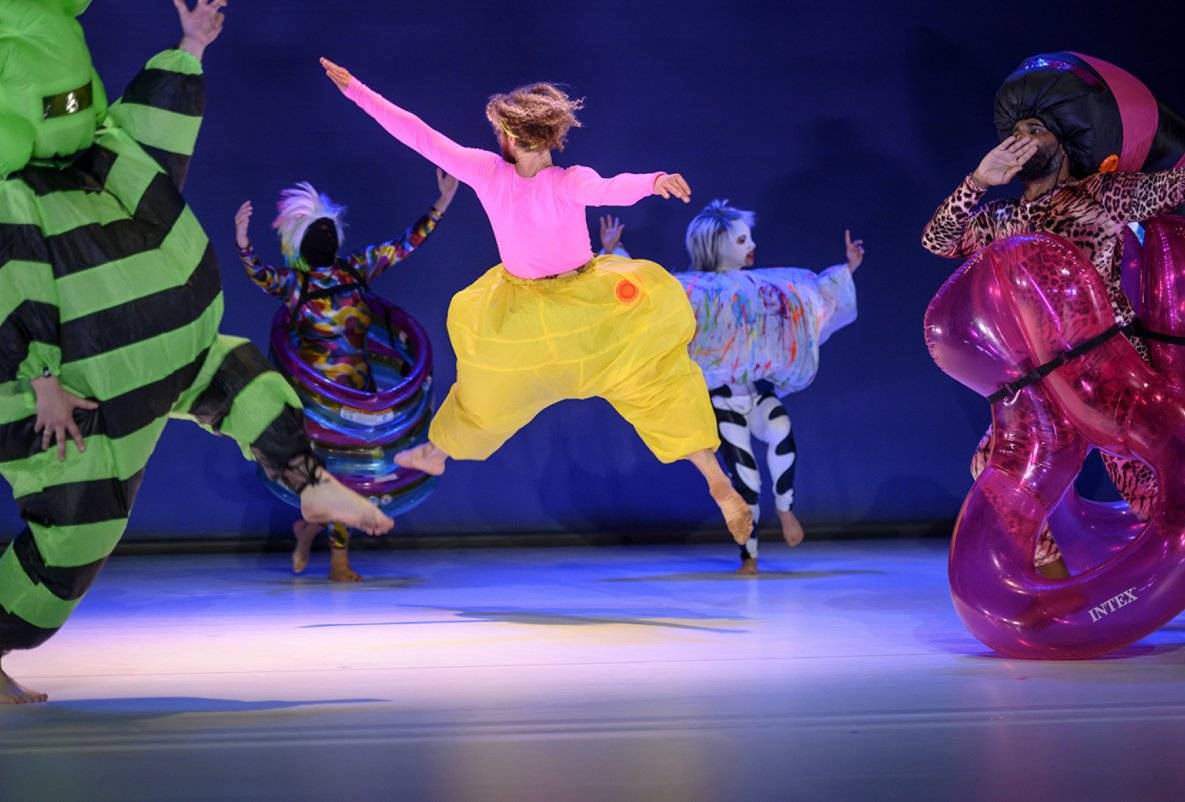
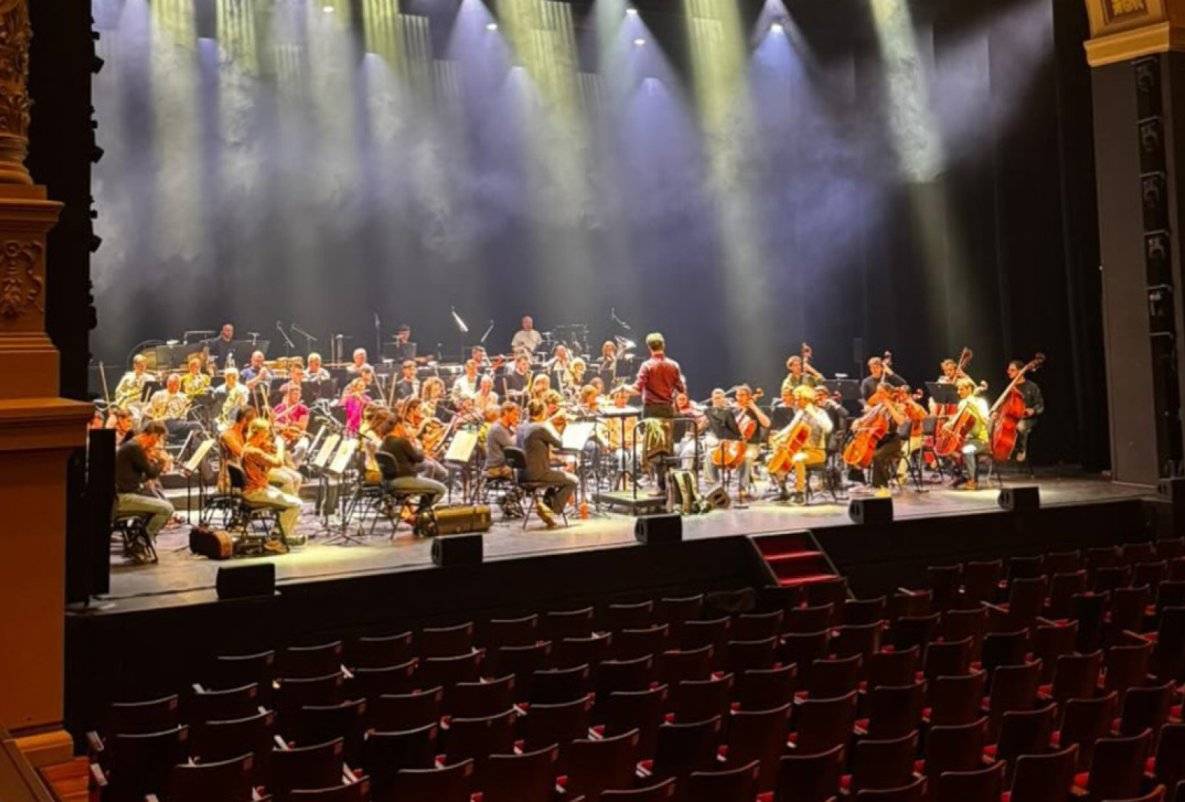
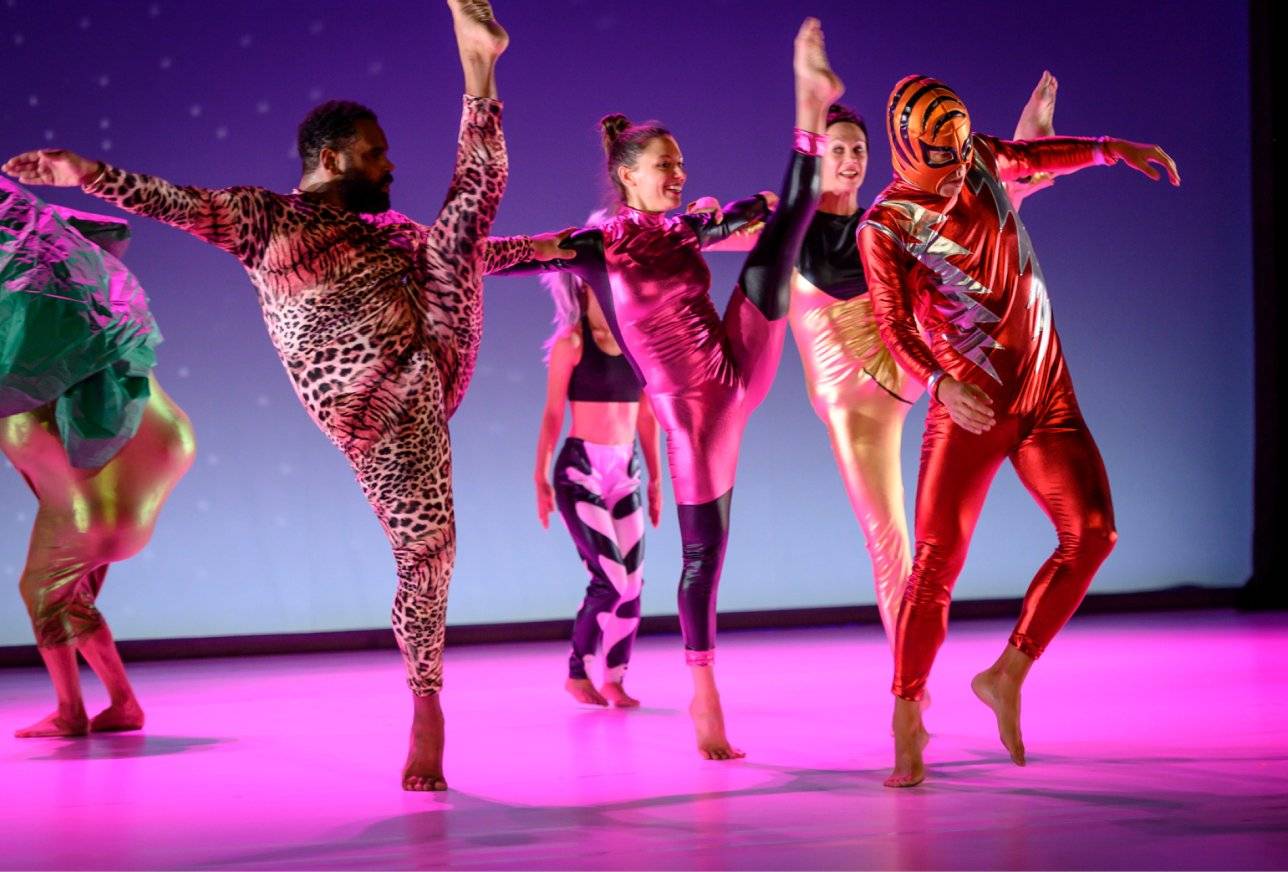
The composers put half of music history through the meat grinder. The result — a snippet of Bach here, a fragment of Stravinsky there — was performed by the Residentie Orkest, which began scattered in small clusters throughout ITA's main hall before retreating to the orchestra pit. On stage, things were equally unconventional: dressed in outlandish costumes of inflatable plastic or skin-tight tiger print, the dancers performed a series of Dadaist scenes, adding wordless vocal sounds of their own. Several times, musicians climbed out of the pit, with or without their instruments, to join the dancers, who in turn ran into the hall or took over conductor Benjamin Shwartz's role while he had his own moment on stage.


Dance, song, music and performance blurred together in a great outburst of energy and absurdity. This makes Bilderschlachten a signature Holland Festival production, one that pushes, and even erases, disciplinary boundaries, and combines social critique with unexpected humour and unconventional beauty. One that perhaps cannot ever be fully understood, without that mattering in the least.

Professionals Among Themselves

For the third time, the Holland Festival organised its Programmers Weekend. More than thirty participants from every continent exchanged experiences, attended performances together, and spoke with artists. These conversations yielded valuable insights, confirming just how different the contexts in which festivals operate can be. In Egypt, for instance, attracting young audiences poses no problem at all — it's older audiences who tend to stay away. And in some countries, unlike at the Holland Festival, it is not to be taken for granted that artists decide how much to tell audiences in advance about potentially provocative elements in their work.


Yasmeen Fahim of the D-CAF Festival in Cairo, Egypt, and Kathalisza Pandji of the Indonesian Dance Festival took part in this year's Festival Exchange. Since 2023, this programme has invited two festival organisers [M2.1]each year to attend performances with the director and programmers, exchange knowledge, and expand their networks. For Pandji, it was even her first time attending an international festival outside her own country, making the experience all the more valuable.


As part of the annual Immerse programme, a group of six artists at the start of their international careers were invited to get to know the Holland Festival, its organisation and its programme. Over five days, they attended and discussed performances together.

  • HF Young

    Sometimes all it takes is someone to give you a gentle push. 'At first, I didn't think it would be for me,' says Cadisha Lepelblad. But she let herself be persuaded to attend a performance. Then another. And another. 'Now I go in with an open mind and love being surprised. That's what I tell other people too: maybe you'll love it, maybe you won't, but you'll definitely come away with an experience.'


    -> more info

  • Youth programme's and education

    The Holland Festival has been creating space for young thinkers, dreamers, and doers for many years. Through workshops, encounters, and tailor-made programmes, young people, students, and emerging professionals are introduced to performing arts from around the world. They meet artists, attend performances, and engage in conversations with one another about major contemporary themes. 


    -> more info

  • Reach and visibility

    Holland Festival is defined by the way its rich programme travels: through the theatre, through the city, and through conversations. In 2026, the festival was present on all these levels simultaneously. What began as an idea on stage found its way to a broad audience through digital screens, radio, podcasts, social media, and public spaces — reaching everyone from loyal festivalgoers to new audiences.


    ->more info

Programme 2026

Thanks to Friends and Partners

Holland Festival 2026 was made possible through the generous support and commitment of numerous funds, sponsors, private donors, and the many enthusiastic audiences who embraced new experiences and perspectives. We extend our heartfelt thanks to the exceptional artists and their teams who joined us for this 79th edition, presenting groundbreaking and inspiring performances, installations, talks, debates, and behind-the-scenes encounters. Thank you to everyone who embarked on this journey with us and helped make the festival possible.


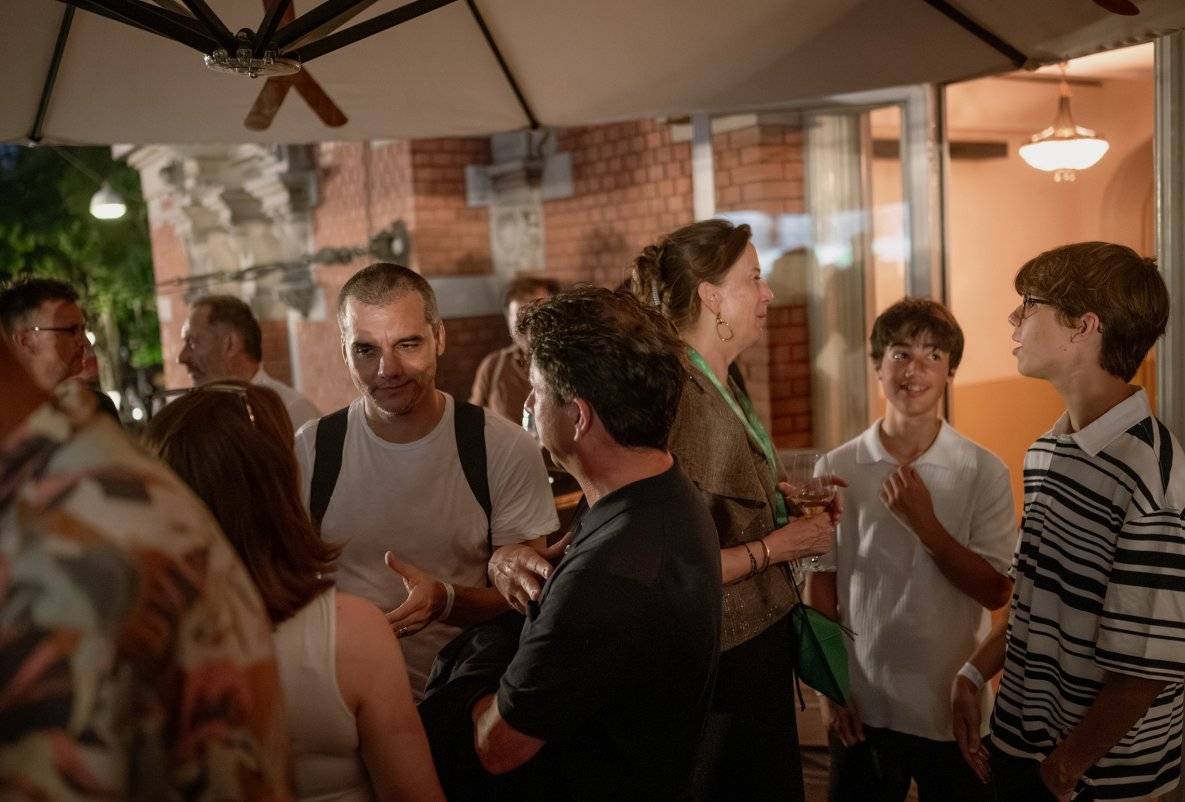
Throughout the year, in the lead-up to the festival, we organised a series of special gatherings for our Friends and Partners. These events offered opportunities to meet fellow festival enthusiasts and to be the first to hear about our plans. June marks the annual highlight, when everyone comes together during the festival around performances and specially curated programmes.


Over the course of 26 days, Friends and Partners gathered at 23 venues, beginning with the festive opening: a musical walk through the city that culminated in a concert at Carré. Exclusive behind-the-scenes tours were organised for the industrial, raw production And Now I Know What Love Is at the Bijlmerbajes, the immersive sound-and-light experience Chernobyl at the Gashouder, and the glittering spectacle Mirage at ITA. Thanks to associate artist Hildur Guðnadóttir, this year's festival became an exercise in deep listening—not only during her own concerts, but throughout many of the performances that invited audiences to experience sound in new ways. Visitors encountered complete darkness during A Possibility, experienced moments of transcendence with Spem in Alium, and found welcome respite in the cool auditoriums hosting LACRIMA and A Trial – after An Enemy of the People. Together, we celebrated the many forms of the performing arts, knowing that none of it would have been possible without the invaluable support of our Friends and Partners.

Bringing colour to the city and the calendar

For Marlène Zweedijk-Tjoe-Ny, perhaps the most remarkable aspect of Holland Festival is its hospitality, aside from the "extraordinary productions that I admire so deeply," of course.


"From the moment you arrive, everyone makes you feel welcome. It feels like a family, and the festival really feels like our celebration." She has been attending the festival since the 1970s and has been a Friend for decades. "After spending some time abroad, the first thing I did when I returned to the Netherlands was become actively involved again."


Tamara Trotman's first festival visit also dates back some fifty years, when her parents brought her along as a child.


"That first experience left a lasting impression," says the supporter, who has recently renewed her commitment for another five years. "Since 2017, the festival has also taken on a deeply personal meaning. After my father passed away, he was an enormous lover of the arts, my sister and I have made it a tradition to attend a Holland Festival performance around the anniversary of his death."


For Ilonka van den Bercken, who is herself the director of a theatre company, June is always an exceptionally busy month. Yet she still makes time for the festival.

"Because the festival brings colour to both the city and the calendar. I'm proud to support that as a Friend. In fact, you hardly need to know what you're going to see beforehand. If it's programmed at Holland Festival, that's already a mark of quality."


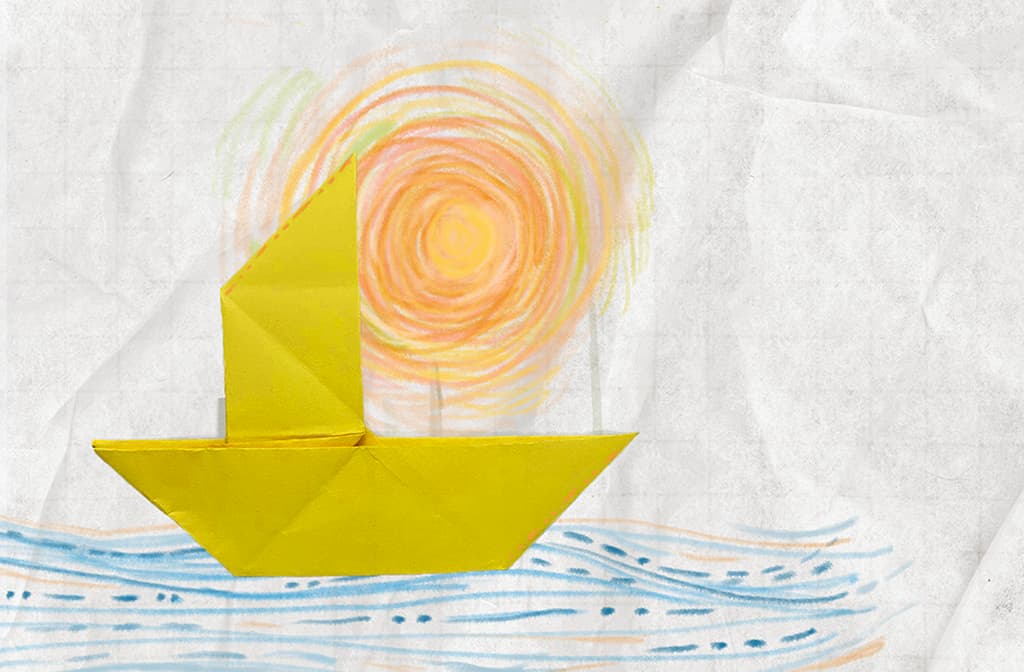
Philip Drost believes that this quality deserves protection. He has been a Friend for four years because, in his words, "culture is under pressure and deserves support." His personal highlight this year was A Trial, although Ossama Helmy's Story-Gami workshop also left a lasting impression.


"It immediately made me want to start creating things myself. That's what culture does: it brings lightness to your mind and sharpens the way you think."

 
Our Partners 

Our sincere thanks to the Ministry of Education, Culture and Science, the Amsterdam Fund for the Arts, Ammodo Art, Fonds 21, Hartwig Art Foundation, ELJA Foundation, Art Foundation Mentor Lucerne, Zadelhoff Cultuurfonds, Brook Foundation, the loveworms commission, the Embassy of Brazil in The Hague, Institut français des Pays-Bas, Freek en Hella de Jonge Stichting, the Embassy of Switzerland in the Netherlands, British Council, the City of Amsterdam, Helstone Fonds, Nationales Performance Netz, De Nederlandsche Bank, Reset ICT, Het Zwarte Fietsenplan, OMRT, No Risk, Rabobank ClubSupport, Hotel Casa Amsterdam, WestCord Art Hotel Amsterdam, Automobielbedrijf Van Vloten, Lemming Film, Molen van West, and Something & Nothing.


Our Friends

Special thanks to our Governors, Heart Friends, Patrons, (Young) Benefactors, Supporters, the HF Young Circle of Holland Festival, and to everyone who made a donation when purchasing festival tickets.


Governors

Ronald Bax en Frank Lunenburg, Rob Defares, Arent Fock, Astrid Helstone en Diederik Burgersdijk, J. Kat en B. Johnson, Wim Pijbes (Droom en Daad), Françoise van Rappard-Wanninkhof, Familie Strieder-Dorothea, Tom de Swaan

Governors who want to remain anonymous.


Friends of the Heart

B. Amesz & E. Boswijk, G.J. van den Bergh en C. van den Bergh-Raat, Mavis Carrilho, Jeroen Davidson en Frederike Meijer, Bernard en Ineke Dijkhuizen, Nienke van den Hoek en Alexander Ribbink, Isaäc en Francien Kalisvaart, Kristine Kohlstrand, Roland Kupers, Cees Lafeber en Seth Josephs, H.J. ten Have en G.C. de Rooij, Anthony en Melanie Ruys, Coen Teulings en Salomé Bentinck, Patty Voorsmit, Sabine Vroom, Wolbert en Barbara Vroom-Cramer

Friends of the Heart who want to remain anonymous.


Guardians

R.F. van den Bergh, Frans en Dorry Cladder-van Haersolte, Jacqueline Cramer, Gerard Dekker, J. Docter en E. van Luijk, L. Dommering-van Rongen, Philip J.J. Drost en Youri Zomerdijk, Jolanda Drukker Murray, Marianne Eisma, E.L. Eshuis, Carolien Gehrels en Fina Hilverts, Emmerique Granpré Moliere, Meike Hartelust & Just In 't Velt, Mabel en Jeroen van Hessen-Ansenk*, Jeroen van Ingen, Paul en Saskia Laseur, Ton en Jannie Liefaard-van Dijk, A. van der Linden-Taverne, Jan Willem Meeuwis, E. Merkx, H. Nagtegaal, Paul Nielen en Vera Wiersema, Ben Noteboom, Henriette van Notten, G. van Oenen, Frederieke Sanders & David van Traa, Joanne Schouten en Kay Bing Oen*, Lisette Schuitemaker en Jos van Merendonk, Ingeborg Snelleman en Arie Vreugdenhil*, Harmina Snoodijk en Dick Nijland, Mai Spijkers, P. Wakkie, O.L.O. en Tineke de Witt Wijnen-Jansen Schoonhoven

Guardians who want to remain anonymous.

* extra contribution


Benefactors

Frank Ansenk, Julius Ansenk, Harold Ansink*, Nigel Bagley and Lorraine Dean, Lodewijk Baljon en Ineke Hellingman, Ilonka van den Bercken, Pietro Bertazzi, Ellen Birnie, Sara Bletz en Stephan Vorst, Femke Blokhuis, Jasper Bode, Mariëtte Bode, Norbert Bode, K. Bodon, Onno Bosma, Bart Breederveld, G. van Capelleveen, Danielle Caroline Cath, Marie Hélène Cornips en Dick Havenaar, Prof. Cees Dam - in memoriam, Henriette Daniels, J. Dekker, M. Doorman, Sylvia Dornseiffer, Mark Elstgeest, Ruud Emous, Monica Galer, Caroline van Gelderen, E. de Graaff- Van Meeteren, Roos Groeneveld- Ansenk, S. Haringa, Ann van der Haven, Annelies Heidstra en Renze Hasper, Hagar Heijmans, B. Heijse, Servaas Hensen, Vivien Hertogh, G. van Heteren, L. van Heteren, Julie Heyning - van Maanen, Fina Hilverts, S. Hodes, J. Hopman - in memoriam, J. Houtman, E. Hummelen, P. Jochems, Jan de Kater, R. Katwijk, Ytha Kempkes, Sue der Kinderen, Sander & Michiel, F. Klessens Godfroy, E. Kocken, Christine Koenigs, Aron Kovacs, E. de Kreij, Casper van der Kruk, Hilde Laffeber-Nicolaï, M. Le Poole, M. Leenaers, Annet Lekkerkerker, M. Levenbach, A. Ligeon, Hein en Martine ter Linden, T. Lodder, R. Mackenzie, Ron Mandos, E. van der Meer-Blok, Christa Meindersma, Lonneke G.C. Mertens, Erik Mol, Sija van Mourik, Gerbrand Van Nijendaal, Marjon Nooter, Kay Bing Oen*, Maryke van Oordt-Jones, P. Price, J. Rammeloo, Jet de Ranitz, Wessel Reinink, Richard van Remmen, Jan Willem Schenk, H. Schnitzler, G. Scholten, C.W.M.Schunck, Martita Slewe, P. Smit, Norman Smith, G. Smits, W. Sorgdrager en F. Lekkerkerker*, K. Spanjer, Frank en Judith Steeman, C.P.-M.H.-L. Tegelaar, A. Tjoa, M. Tjoe-Nij, Y. Tomberg, Aty Tromp, Tamara Trotman, Bart Truijens, Frank Uffen, M. Verhoeff-Neef, Marie-Christine Vink, Truus Visser, A. van Vliet, M.M. de Vos van Steenwijk, Wieneke van de Vrede, A. Wertheim, Willem Wester, Martine Willekens, E. E. Wolf en M. E. Otte, Michiel en Shirley van Wulfften Palthe, M. Yazdanbakhsh, Alexander Zeh, M.J. Zomer, P. van Zwieten en N. Aarnink

Benefactors who want to remain anonymous.

* extra contribution


Young Benefactors

Aram Balian, Rosanne Boermans, Quirijn Bongaerts, Pepijn Borgwat, Natalia Barbosa Eitel, Jasmin Farag, Shervin Fekri, Wouter van Herwaarden, Brendon Humble, Tim Klifman, Eva Moerbeek, Eerke Steller, Fernande van Tets, Esther van der Veldt, Sheila Verdegaal, Martha Visser, Lonneke van der Waa

Jonge Begunstigers die anoniem willen blijven.


Admirers

All 624 Admirers.

 
Become a Friend and experience more

A festival like Holland Festival, where art invites us to reflect on the world, sparks our imagination, and brings people together—cannot be taken for granted.

If you are able, we warmly invite you to become a Friend or Partner of the festival. Your support helps make Holland Festival possible, and we'd love to welcome you to our community.
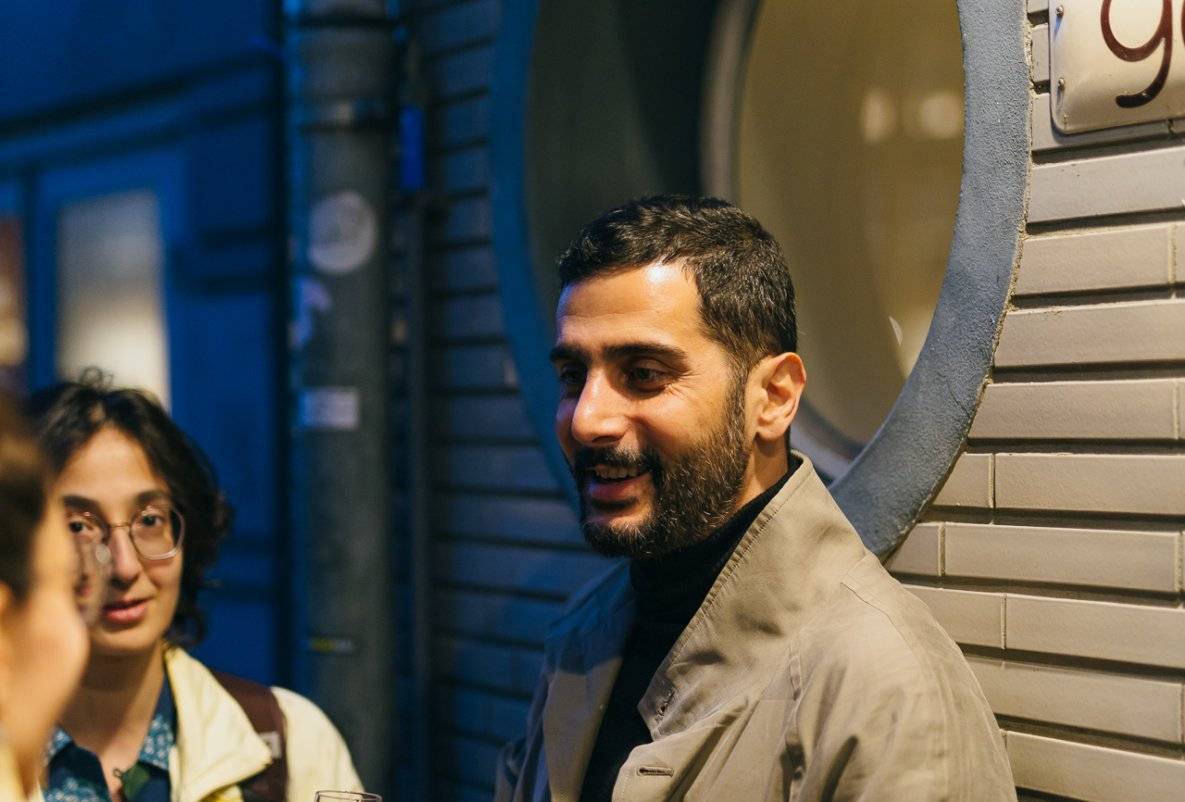
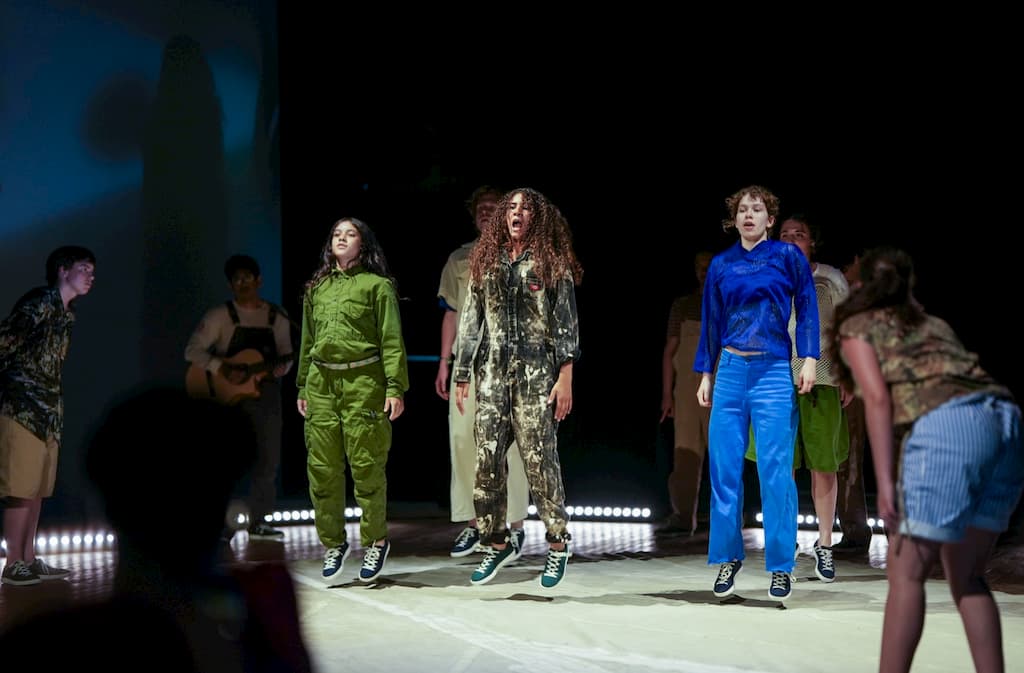
You can become a Friend from just €55 per year. Find out more here.
Holland Festivalteam

Holland Festivalteam

Holland Festivalteam

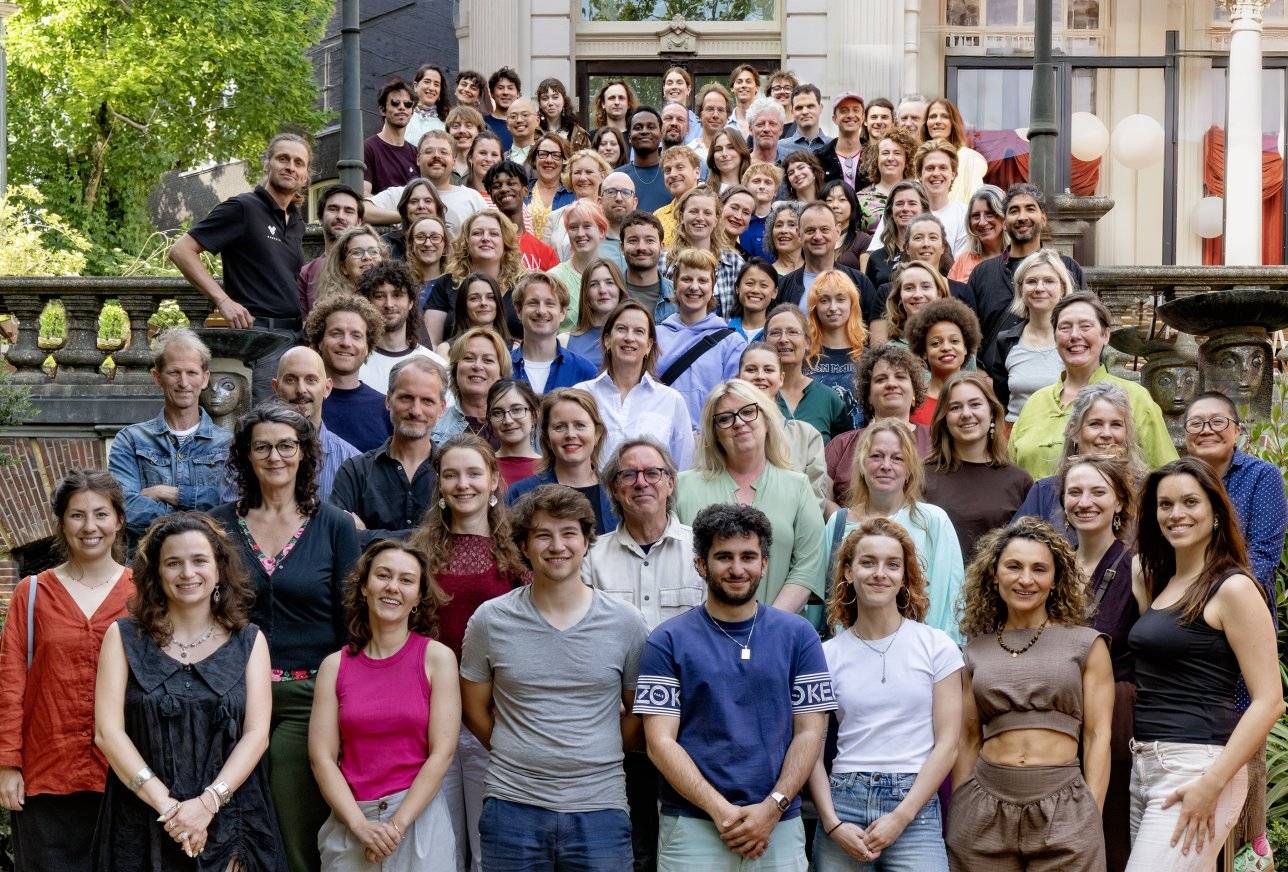
Thanks to the entire Holland Festival team, we were able to put this festival together.

See you next June!


Holland Festivalteam 2026

subsidiënten
  • Ministerie van Onderwijs, Cultuur en Wetenschap
  • Amsterdams Fonds voor de Kunst
productiepartner festivalpartner presentatiepartner
  • Ammodo
  • Fonds 21
  • Fonds 21
sponsors, fondsen en instellingen


  •  
HF Business
  • Beam Systems
  • Beam Systems
Particuliere donateurs:
Board of Governors, Hartsvrienden, Beschermers, Begunstigers, Jonge Begunstigers en Liefhebbers.

mediapartners
  • NTR
  • De Groene Amsterdammer
productiepartners

  • De Groene Amsterdammer
  • Het Muziek
  • Nationale Opera & Ballet

  • De Groene Amsterdammer


  • Eye


locatiepartners

  • Eye


Holland Festival is lid van

Effe


register for the newsletter!

colofon

tekst

Edo Dijksterhuis


festivalfotografie

Raffaella Allegra, Marina Chef, Janiek Dam, David Hup, Sara Kerklaan, Ada Nieuwendijk, Luz Soria, Joy Wanders


aftermovie & Passing Remark

Robin Bekker (Lukraak)


educatievideo

Sara Kerklaan