Juggle & Hide

(Seven Whatchamacallits in Search of a Director)

Wichaya Artamat, Duck Unit, For What Theatre

Copyright information:Jukkrit Hanpipatpanich

After years of using clever, often poetic metaphors to explore Thai politics, theatre maker Wichaya Artamat now turns the lens on himself. In Juggle & Hide, he takes the stage as an authoritarian director, surrounded by the symbols and objects from his previous work. This time, they refuse to stay silent: his metaphors – the “whatchamacallits” – want to have a word with him. 


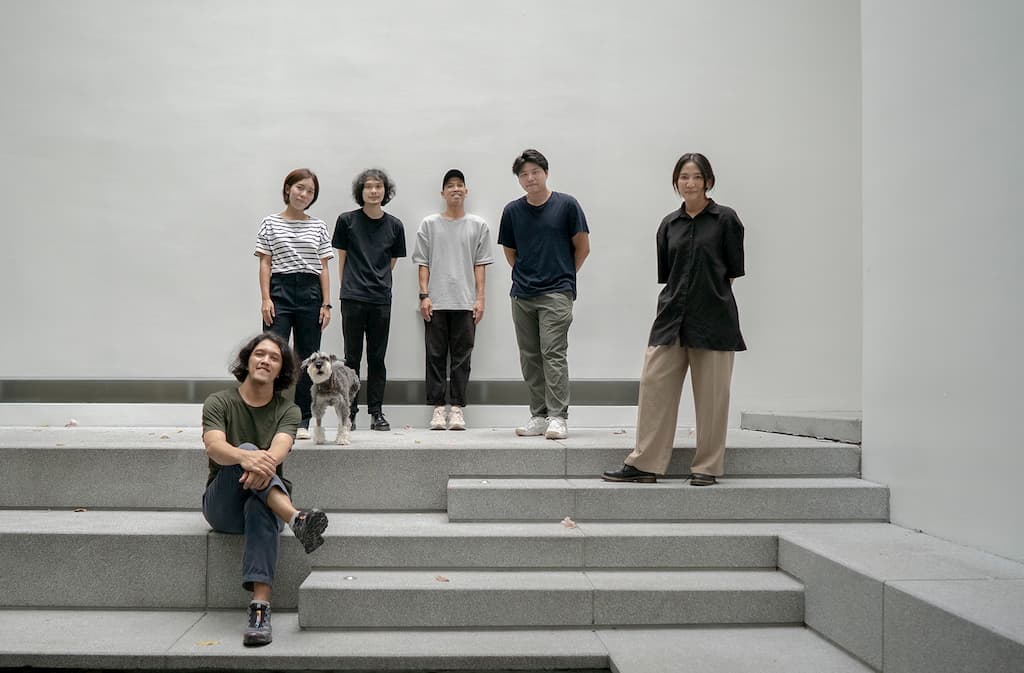
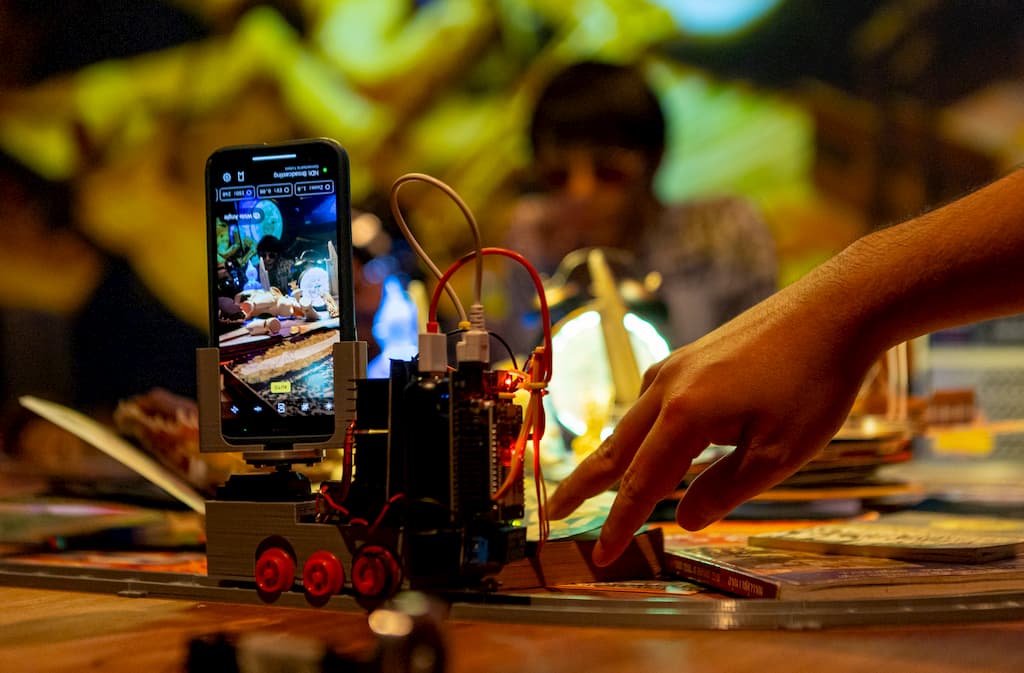
Together with writer Pathipon (Miss Oat) and the collective DuckUnit, Wichaya builds a mechanical, almost living structure: a theatrical machine that exposes his creative process and dissects his thinking. 


The performance functions as both a show and an open work shop. The work moves between two realities: the artistic freedom Wichaya experiences internationally and the censorship that defines his home country, Thailand. Within that tension, he raises an uncomfortable question: how do you make art when not everything can be said? And who ultimately decides what something means – the maker, the audience, or the context? 

The following text is excerpted from the Japan Foundation FY2023 International Creations in Performing Arts - Process Observer Reports

written by Yamazaki Kenta


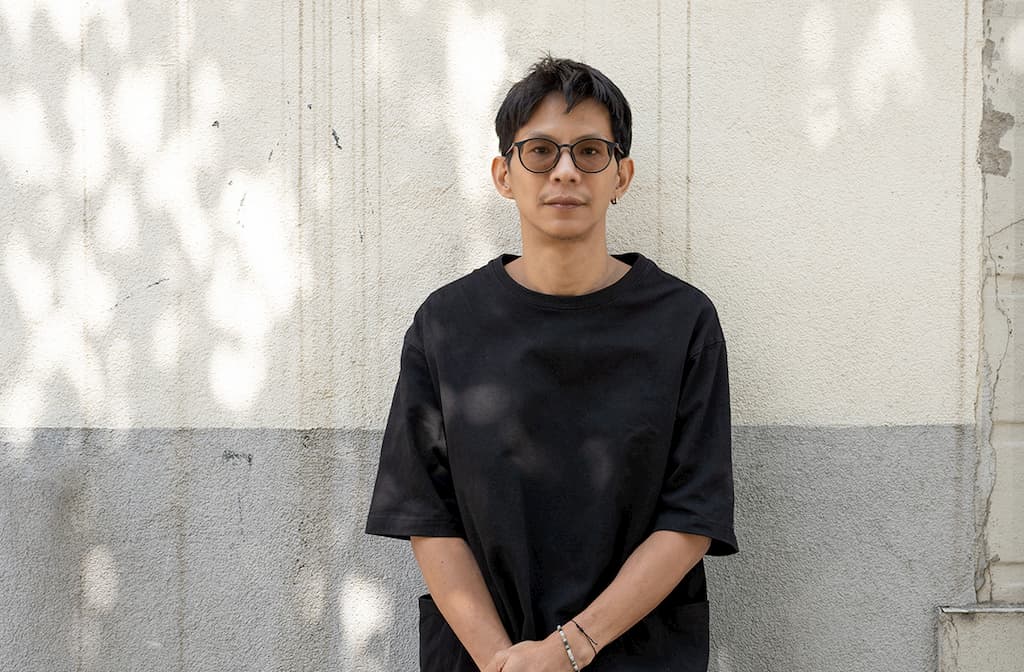
About the director

Juggle & Hide is a piece that takes Artamat's critical examination of his past activities and works as its starting point. In Thailand, Artamat is highly regarded as an artist with an experimental style that does not adhere to the standard form of "theatre." Rather than writing his own scripts, he often hands over concepts and settings to other artists and actors and then completes the work from what emerges. Even This Song Father Used to Sing (Three Days in May) initially involved the actors performing improvisationally based on nothing more than a broad setting and endpoint as a framework. However, for its international tour, Artamat restructured the performance into a fixed script to accommodate subtitles. Apart from a series of works inspired by dates that have important political meaning in Thailand, as exemplified by This Song Father Used to Sing (Three Days in May), Artamat has also worked on documentary theatre that focuses on the "performativity" of the performers, such as In Ther's View: a Documentary Theatre, which is based on interviews with several actresses active in Bangkok.


Political background

Behind Artamat's decision to take a critical look at his own activities and works as an artist and create a new work from that reflection are the changes in Thai society in recent years. In Thailand, where there is a law against lèse-majesté, political messages may be subject to censorship or punishment, and thus great care must be taken in handling them. Therefore, for artists of the generation before Artamat, metaphor was a widely adopted technique to get around expressing political messages directly and avoid censorship. However, the social atmosphere appears to be shifting. For example, in Thailand, the national anthem is played in public places at 8:00 a.m. and 6:00 p.m., and one must stand still until it ends or risk charges of lèse-majesté. But in recent years, the number of people in Bangkok who do not adhere to this practice has reportedly increased.


Amid concerns about the younger generation's alienation from the monarchy, a massive anti-government rally was held in September 2020 in front of the Royal Palace and at Thammasat University across the street, where students presented a 10-point proposal for royal reform that shocked society. Such public criticism of the monarchy was unprecedented. If political messages can be expressed directly, what is the point of deliberately converting them into metaphors to create works of art? This event forced artists of the generation before Artamat to reevaluate the role of art.


Creation process

The creation process took place over three weeks from Monday, August 21 to Sunday, September 10, 2023, at the Bangkok Art and Culture Centre (hereafter BACC). The script writing was mainly handled by Pathipon Adsavamahampong, who has collaborated with Artamat on various works in the past, including serving as the stage manager for the overseas tour version of This Song Father Used to Sing (Three Days in May). She worked on the writing and revisions in consultation with Artamat. The creation process at BACC was roughly divided into the first week for the first part of the script, "Juggle," the second week for the second part, "& Hide," and the third week for overall brush-up.


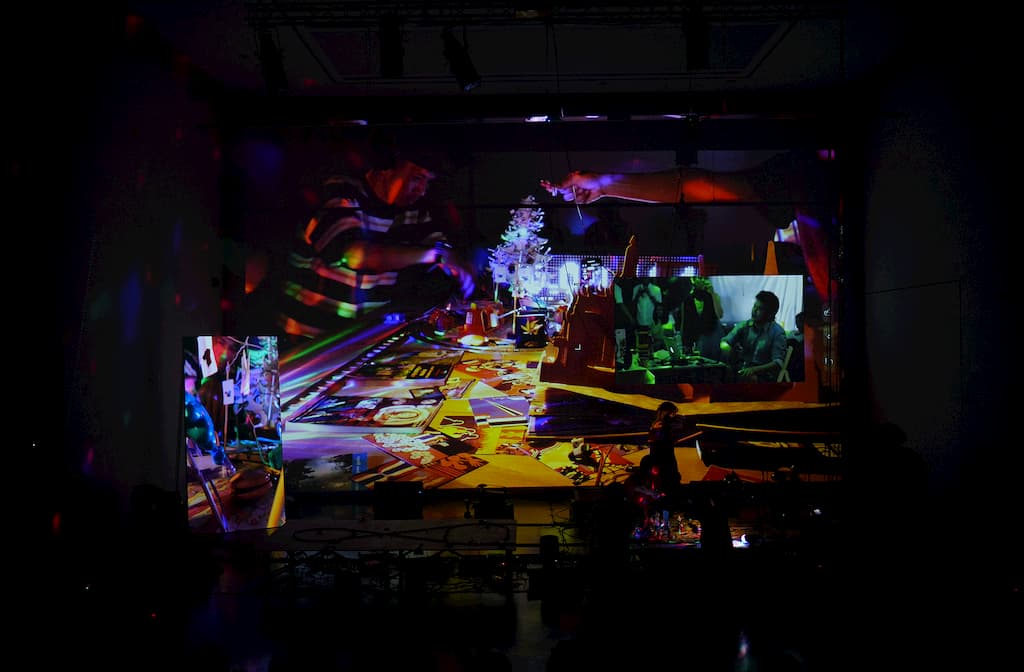
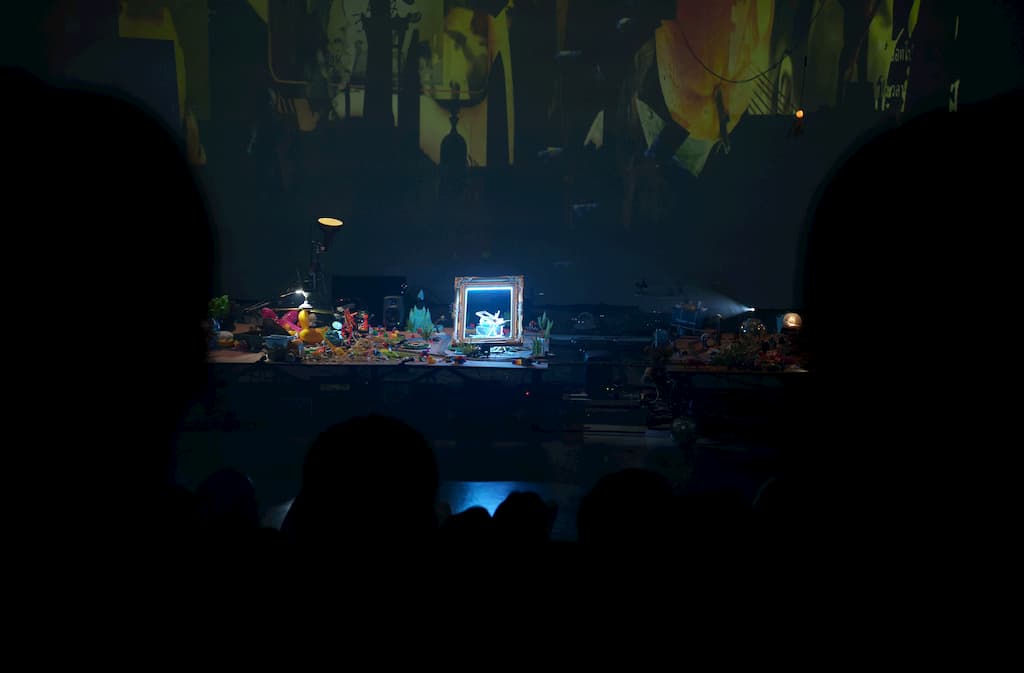
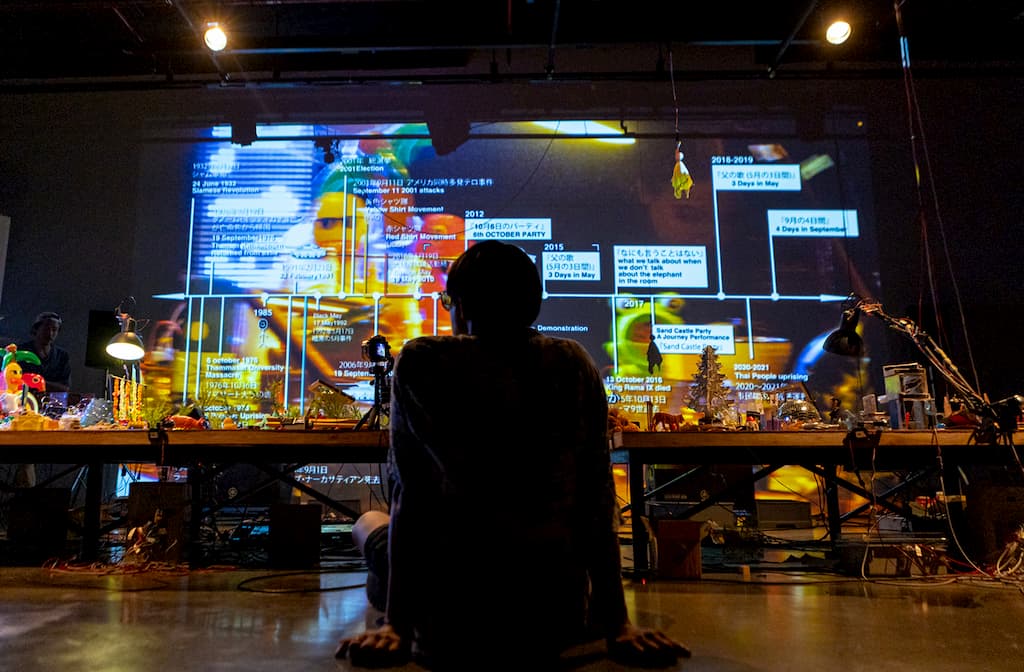
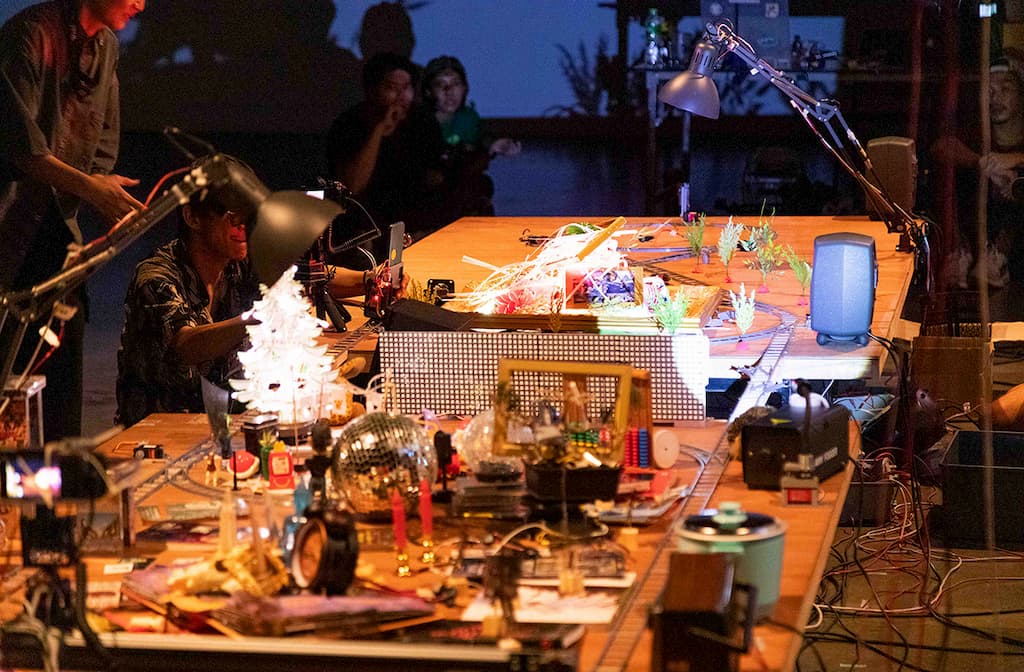
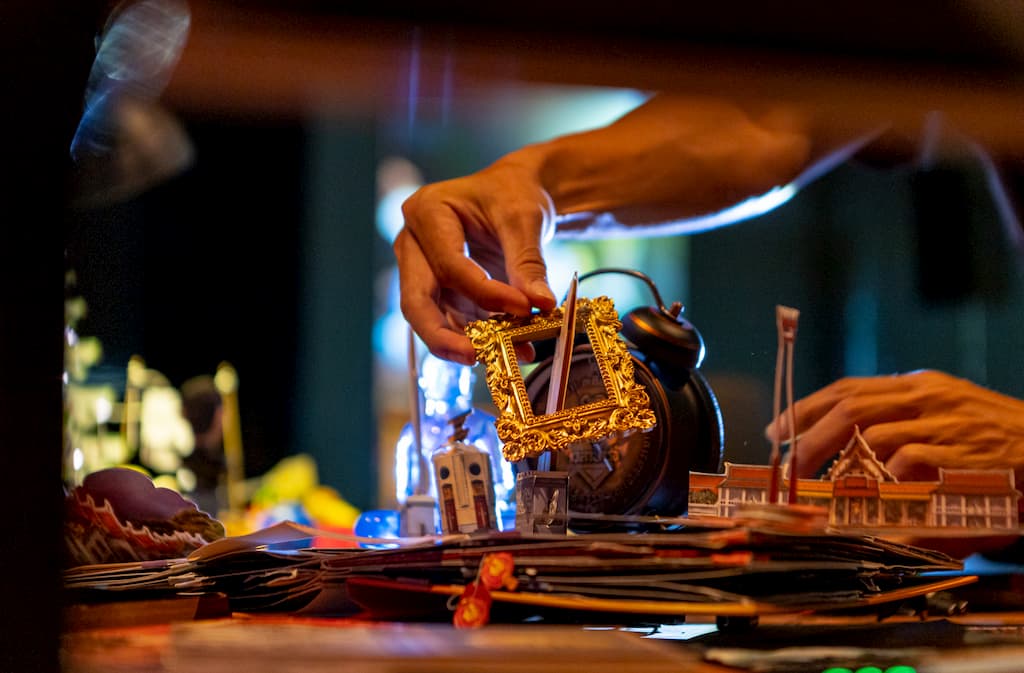
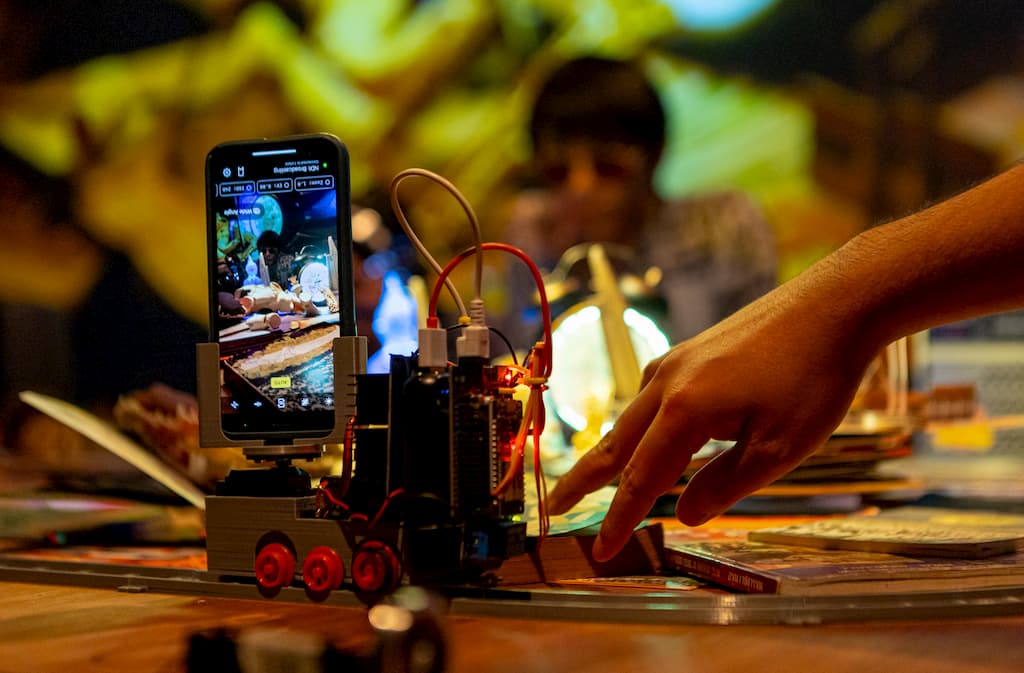
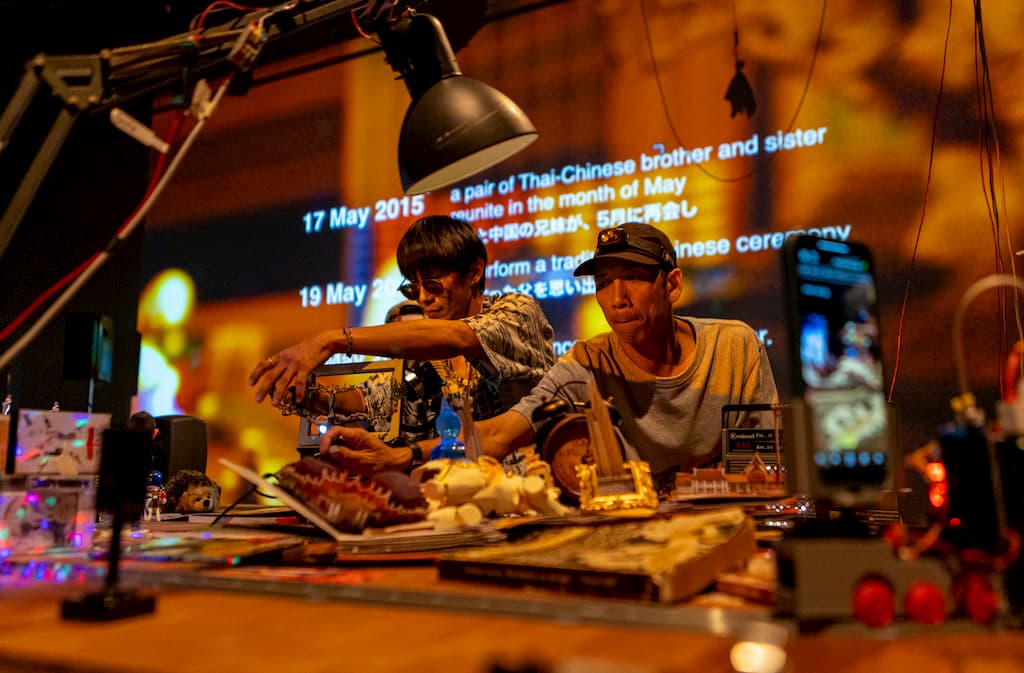
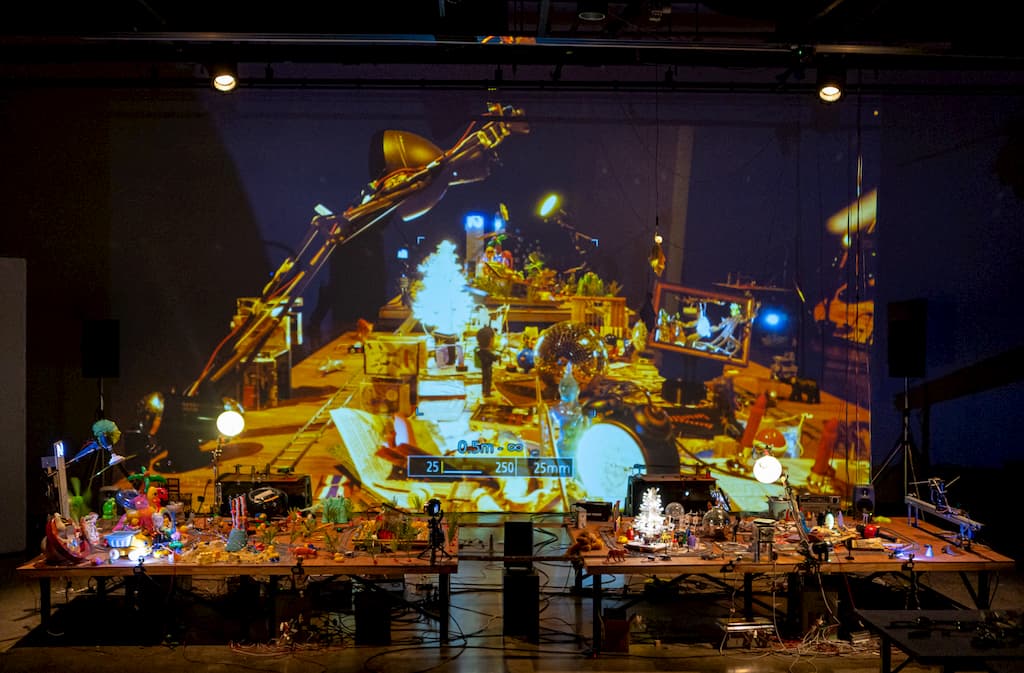
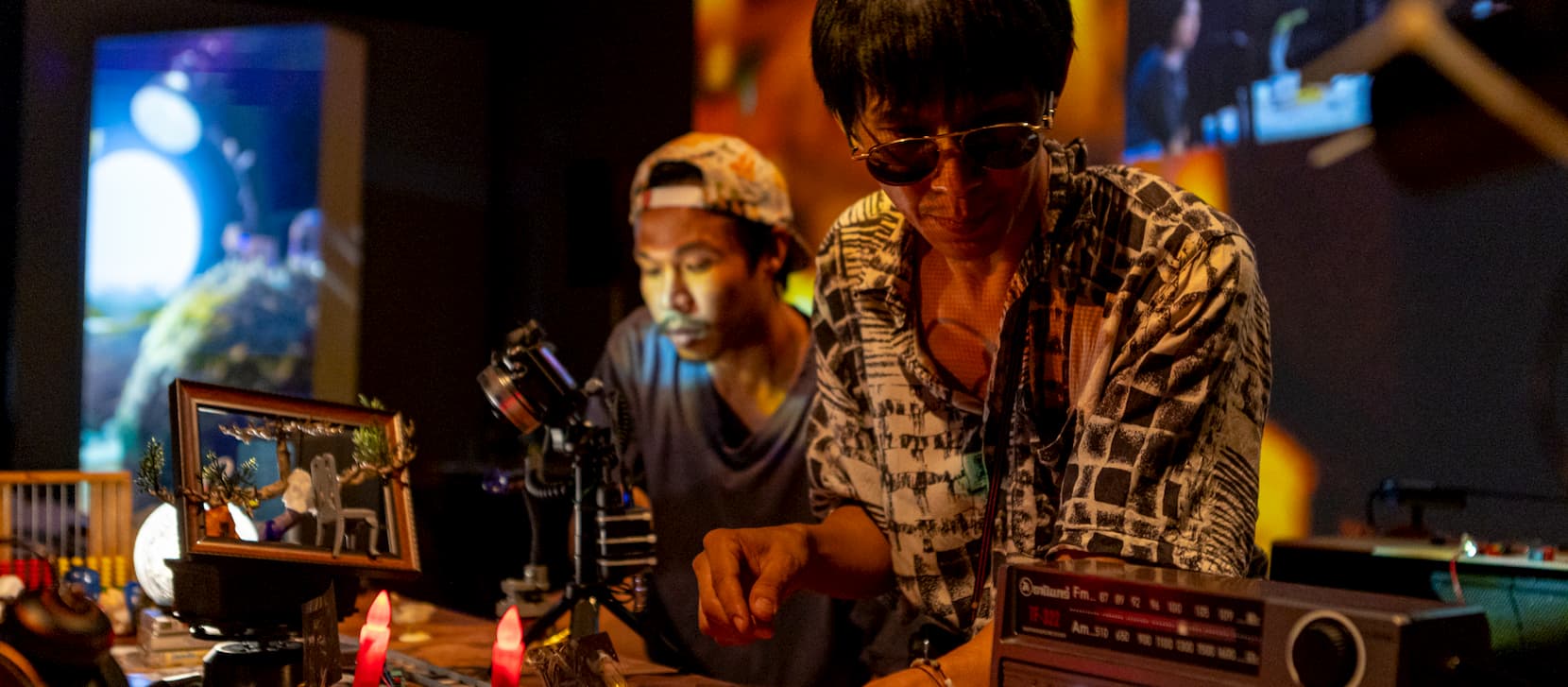
The main characters of J&H are objects, and there are no actors or performers, in the usual sense, on stage. Most of the creation time was spent considering the order, placement, and behaviour of the objects, going through a process of trial and error, and having DuckUnit, who oversaw the art direction and technical direction for this work, add new devices and gimmicks as needed. The work contains a large amount of information unfamiliar to [international] audiences, including the political timeline of Thailand, Artamat's personal timeline, and explanations of Artamat's past works mentioned in the story. Moreover, during the performance, objects are placed on stage one after another while footage filmed by multiple cameras, footage from past works, and related photographs are rapidly projected onto two screens positioned at the back and stage right.

Read less

dates

Thu June 18 8:30 PM

Fri June 19 8:30 PM

Sat June 20 8:30 PM

Sun June 21 3:00 PM

prices

  • default € 27
  • CJP € 20
  • HF Young € 20,50
  • youth under 18 € 15

information

  • Thai surtitles: English, Dutch

  • 1 hour 15 minutes (zonder pauze)

more info
  • Juggle & Hide

    BIPAM

  • Juggle & Hide

    BIPAM

  • Wichaya Artamat, concept, direction, text

    Jukkrit Hanpipatpanich

  • Juggle & Hide

    Teeraphan Ngowjeenanan

  • Whicaya Artamat, concept, direction, text

    Bea Borgers

  • Duck Unit

    Rueangrith Suntisuk

  • Jukkrit Hanpipatpanich

  • Jukkrit Hanpipatpanich

  • Jukkrit Hanpipatpanich

  • Jukkrit Hanpipatpanich

  • Jukkrit Hanpipatpanich

Credits

concept Wichaya Artamat direction Wichaya Artamat text Wichaya Artamat, Pathipon (Miss Oat) artistic guidance Pornpan Arayaveerasid, Rueangrith Suntisuk technical direction Pornpan Arayaveerasid, Rueangrith Suntisuk dramaturg Yuya Tsukahara sound design Araki Masamitsu sound operation Araki Masamitsu mechanics creation Laphonphat Duongploy technical operation Piti Boonsom, Chayamon Srijaruyanon object operation Surat Kaewseekarm stage management Surat Kaewseekarm sound engineer Toru Koda project manager Monthira Jamsri technical manager Monthira Jamsri production Sasapin Siriwanij co-production Kyoto Experiment, The Japan Foundation, For What Theatre, Duck Unit with support from Kyoto Art Center, Bangkok Art and Culture Centre, The Saison Foundation